
How the NGO Training Centre is helping providers meet Module 5A, and why our suite of courses matters more than ever.
From 1 July 2026, the disability sector entered a new era. Mandatory registration for Supported Independent Living (SIL) and NDIS digital platform providers has now commenced, and with it comes a formal set of expectations about how supports are delivered and, just as importantly, how staff are trained to deliver them.
At the NGO Training Centre, we have been watching this reform closely. We know that behind every rule change is a workforce trying to keep up, and a group of participants who deserve confident, capable and well-trained support workers. That is exactly what our courses are built to deliver.
You are also welcome to book a meeting with our team to discuss your training requirements further – we are here to help and support you through these changes.
What has actually changed?
The headline is mandatory registration. Unregistered providers already delivering SIL now have a three-month transition period to submit their registration application, and the NDIS Commission has published transition pathways to help providers understand the road ahead.
The definition of SIL has also broadened well beyond the old registration group 115, “assistance with daily life tasks in a group or shared living arrangement.” Under the new rules, a provider delivers SIL where a participant requires constant, or immediately available, person-to-person support at all times during a day, or for a substantial portion of a day, and where that support is provided as a managed package to help the participant live as autonomously as possible at home and access the community.
A quick note for the detail-lovers: “substantial portion of a day” has not been defined in the rules. The Commission’s website indicates that where a participant chooses and manages their own support workers, including directing, planning and rostering, this is not considered SIL. Yet there is no reference to self-directed supports within the rules themselves. This may be clarified through future rules defining who is classified as an NDIS provider. So many rules, and we are here to help you make sense of them.
Meet Module 5A: the four SIL Practice Standards
The new SIL Practice Standards have now been formally adopted as Module 5A. There are four standards, and each one shapes what good practice looks like on the ground:
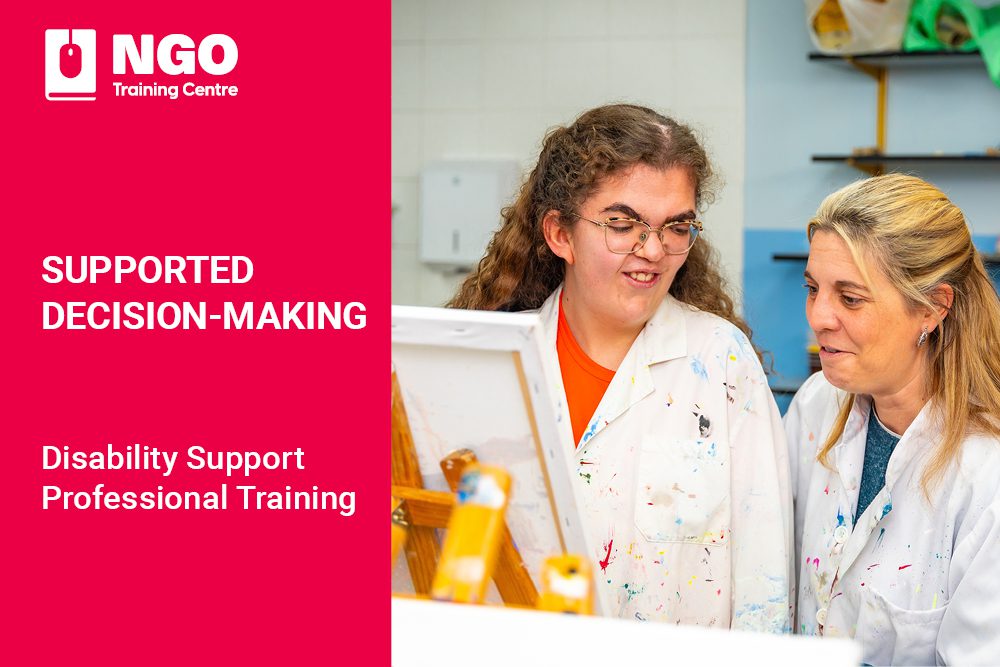
Supported Decision-Making
decisions are made by participants, not for them, including decisions relating to their home and daily life.
Safeguarding
participants are safe from violence, abuse, neglect and harm, while also being supported to have choice and dignity of risk.
Practice Governance
good governance and practice leadership by the provider upholds participants’ rights and protects their safety.
Agreements about Tenancy, Housing and Support Arrangements
agreements are clear, accessible and transparent, with separate agreements for housing and support.
If you have been preparing against the draft standards, the good news is that the final version mostly aligns. There are minor tweaks to the quality indicators. The Supported Decision-Making standard now specifies that participants should be involved in decisions relating to their home and daily life, and there is more detail in the tenancy, housing and support arrangements standard for providers delivering both housing and support to the same participant.
Training options for you and your team
Here is the part I am genuinely excited about.
The NGO Training Centre has just released two new training options for providers and individuals: a brand-new Supported Decision-Making course, purpose-built for the Module 5A world, plus an all-in SIL Master Course collection of courses covering all SIL-related topics.
Option 1: The complete SIL Master Course collection

Our new SIL Pathway collection of courses compiles all the relevant courses for the new SIL Standards into one convenient bundle, allowing you or your team to learn everything you need to know for SIL supports in one convenient enrolment.
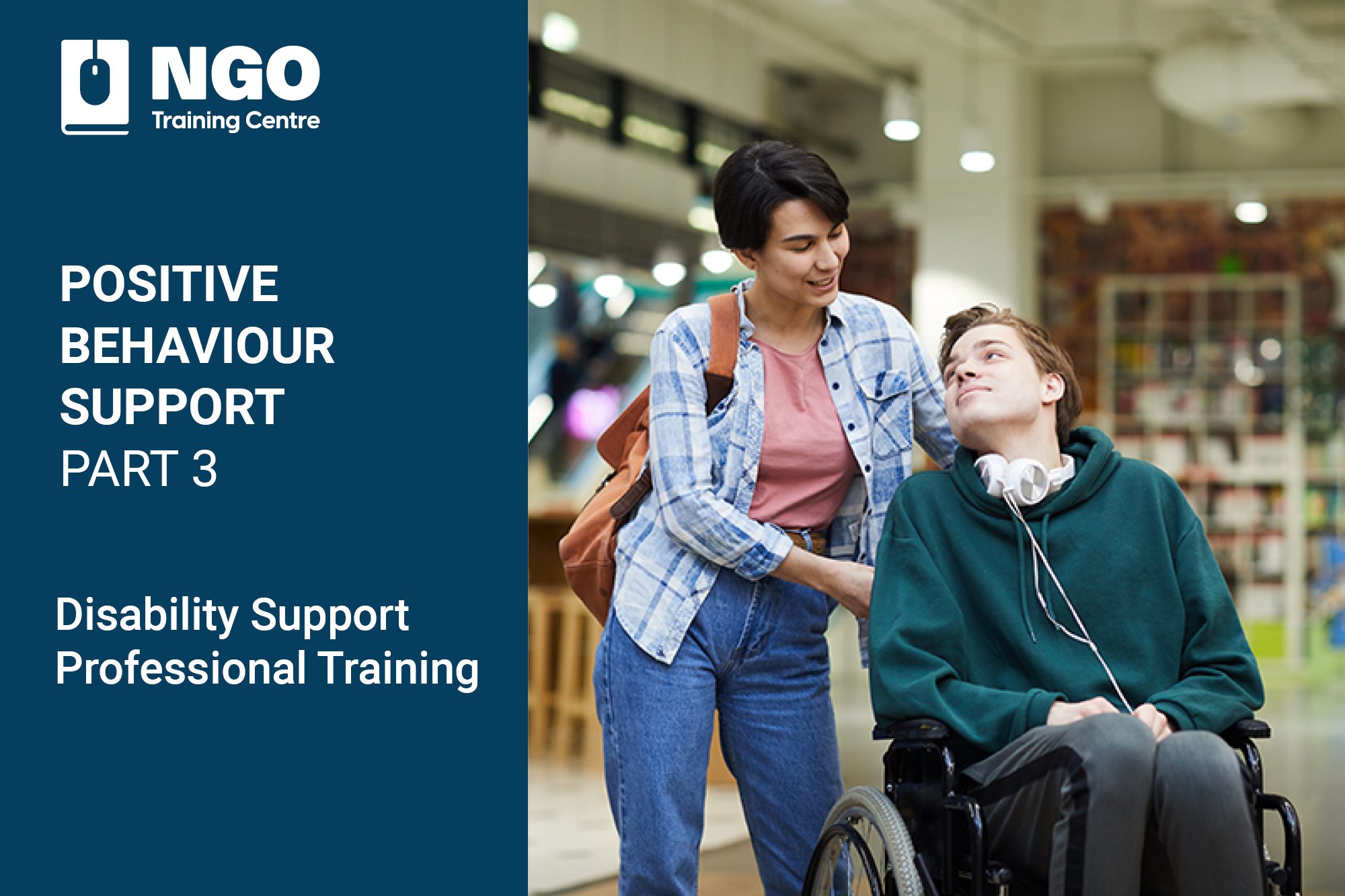
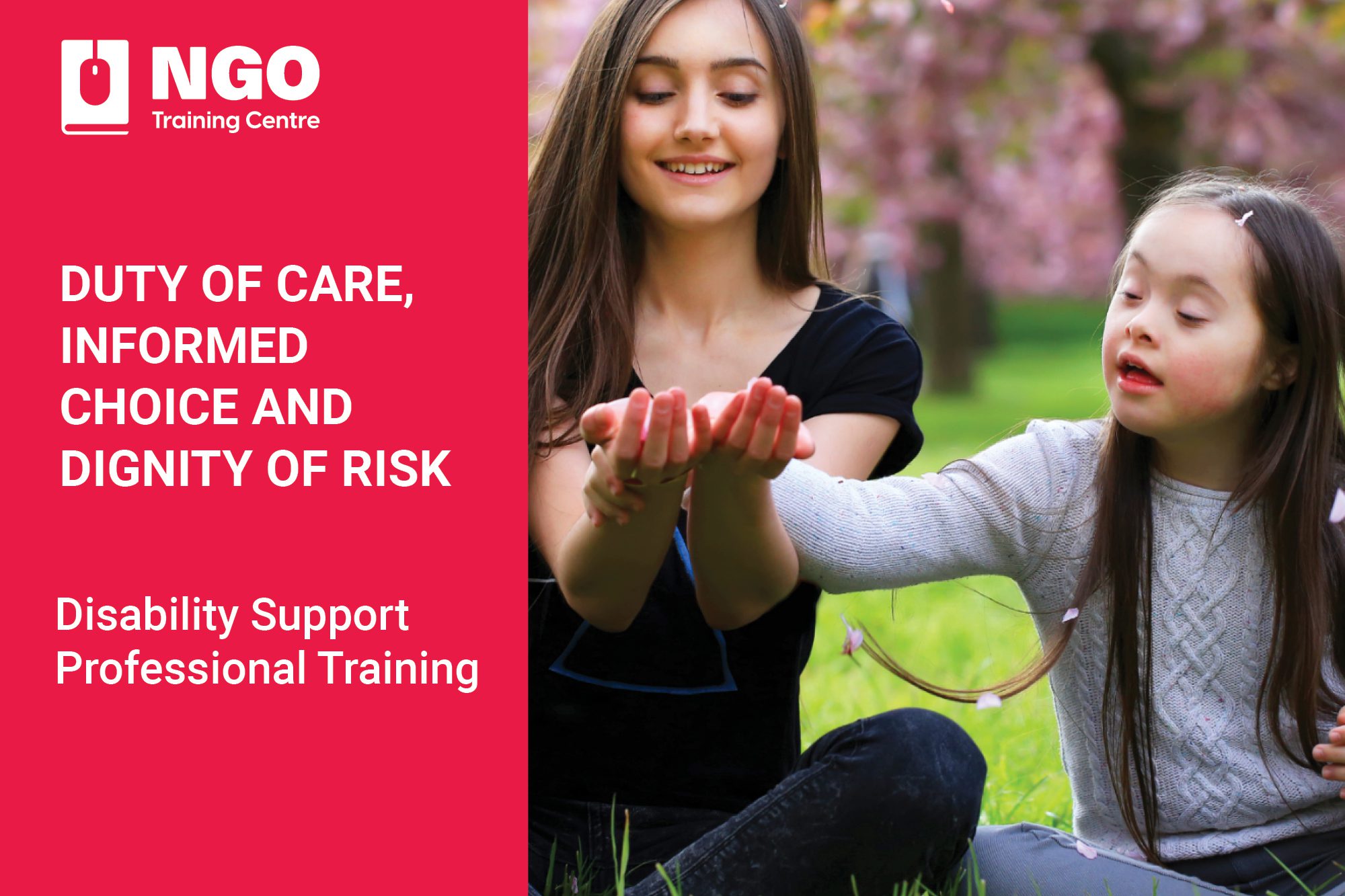
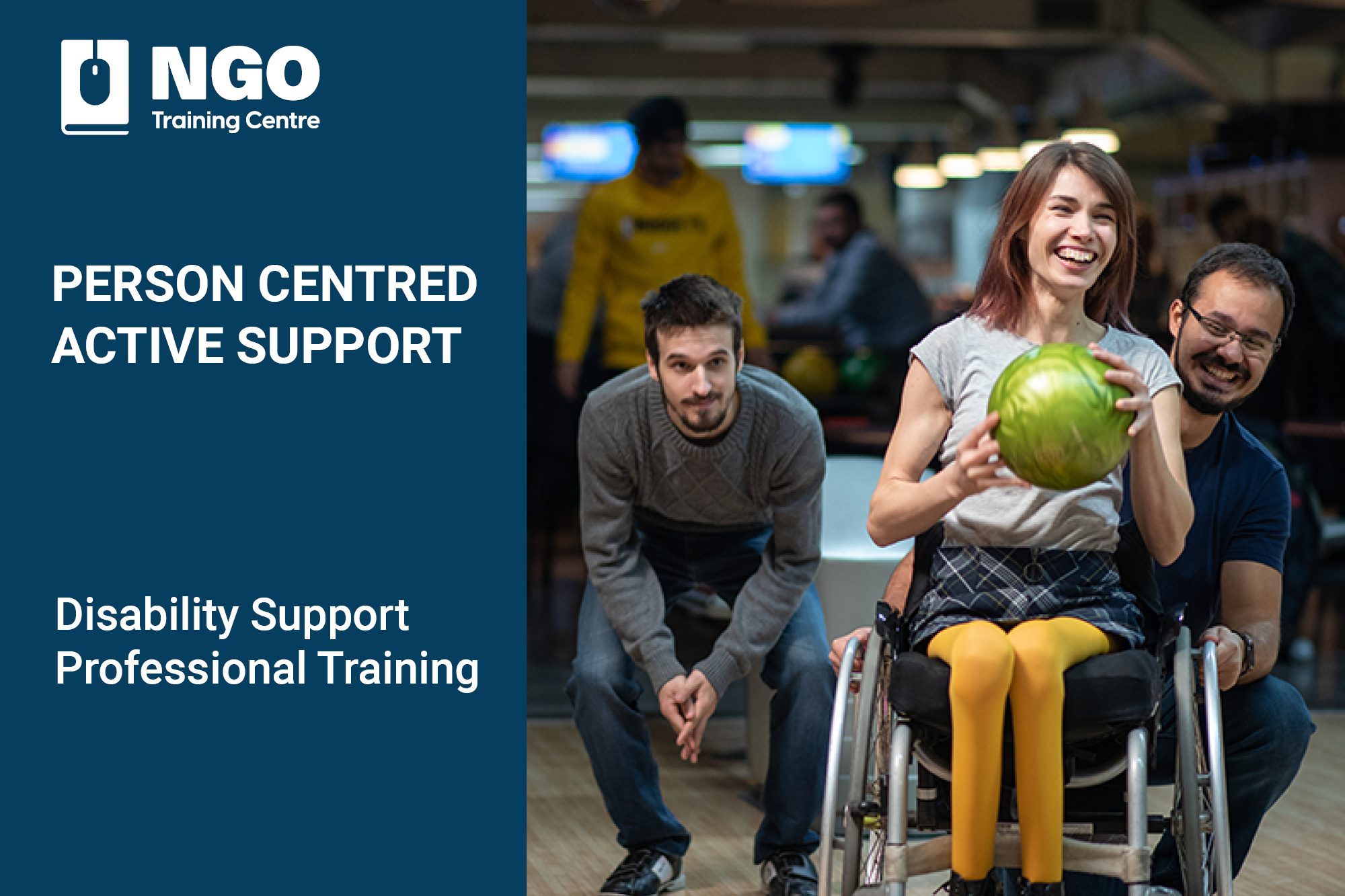
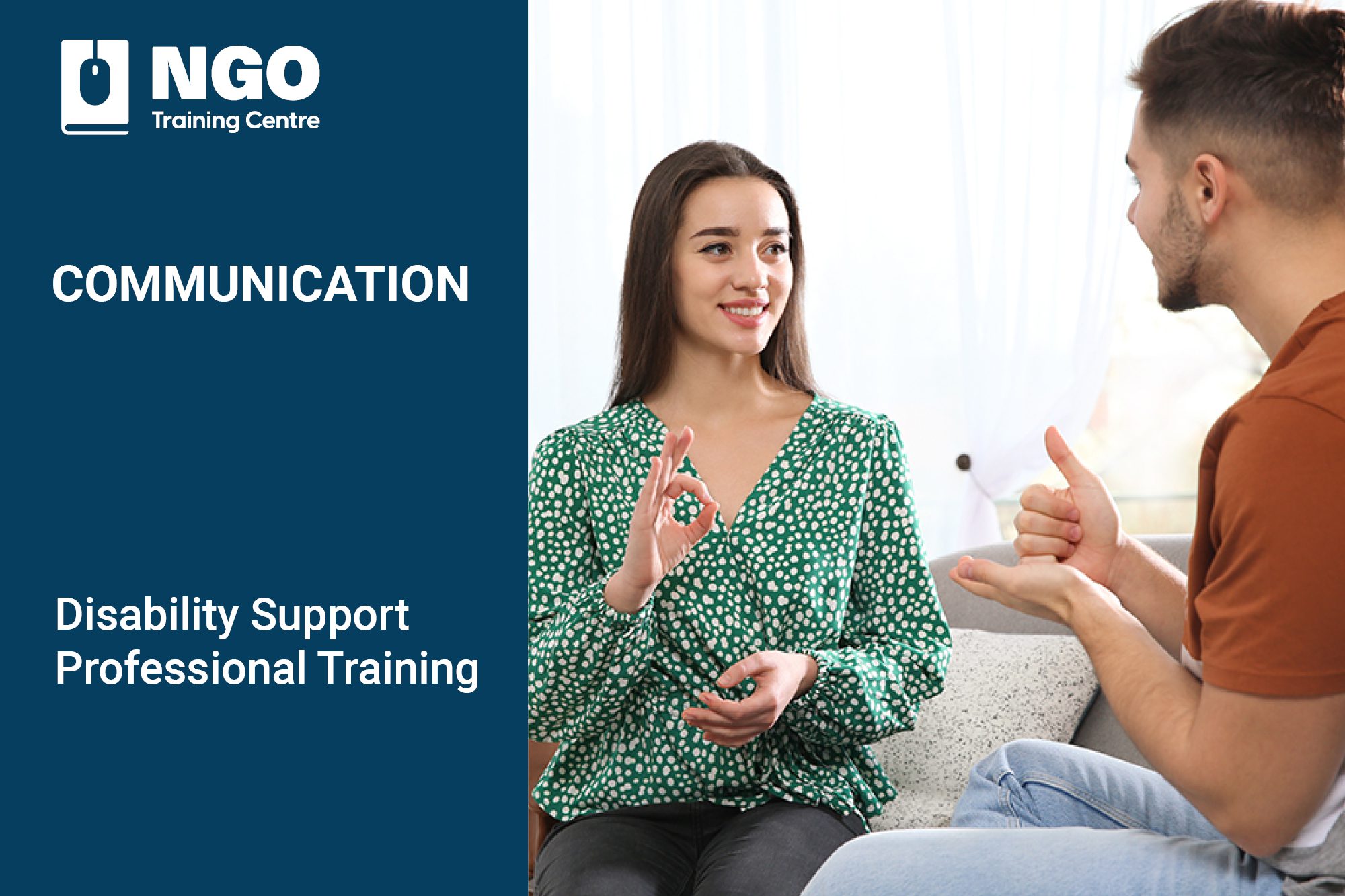
Individual courses included in the SIL Master Course – also available as standalone courses:
How the courses map to each standard:
| Training Course | Supported Decision-Making | Safeguarding | Practice Governance | Agreements |
| Supported Decision-Making (new) | ✓ | ✓ | ✓ | |
| Duty of Care, Informed Choice and Dignity of Risk | ✓ | ✓ | ✓ | ✓ |
| Person-Centred Active Support | ✓ | ✓ | ✓ | |
| Communication | ✓ | ✓ | ✓ | |
| Complaints and Reportable Incidents | ✓ | |||
| Emergency and Disaster Management | ✓ | |||
| Positive Behaviour Support (Parts 1, 2 and 3) – including De-escalation, Restrictive Practices, and Positive Behaviour Support and Plans | ✓ | ✓ | ||
| Abuse and Neglect | ✓ | ✓ | ||
| Trauma-Informed Care | ✓ | ✓ | ||
| Cultural Awareness | ✓ | ✓ |
A tick ✓ indicates the course provides evidence for that SIL practice area.
Option 2: Complete Team Training Packages, including LMS
All of our Disability Support and Combined Sector Training Packages include all of our SIL-related courses plus many more, to provide your team with complete skills-focused and person-centred training that is up-to-date with the latest NDIS Standards reforms – including the new SIL requirements.
Our training packages start at only $1040 per year (less than $3 per day) and include expert-designed courses covering all NDIS Practice Standards (including the new SIL Standards), and a leading LMS with its own mobile app that makes delivering and reporting on training simple and fast on any device!
Plus, all our packages now include our new NGO Xpress refresher courses, designed to save your staff time when completing courses containing content they already know.
See why providers and auditors love our training packages in the video below:
Find out more about our Training Packages for Disability Support provider organisations and get in touch with our team to book a demonstration! You’re sure to be impressed!
Option 3: Add our courses to your own LMS

Already have an LMS and just need courses to fill training or compliance gaps? We’ve got you covered!
Gain access to any or all of our 100+ audit-safe and Standards-compliant training courses, including our range of SIL-related courses, without needing to switch LMS – we can send you the courses to add to your own LMS. Easy!
Book a quick meeting with our friendly team to find out more and get started.
Option 4: Supported Decision-Making single course

Supported Decision-Making sits at the very heart of the new standards.
It is the difference between doing things for people and doing things with them, and it underpins every other standard in the module.
Our new standalone Supported Decision-Making course gives frontline workers, coordinators and leaders the practical skills to put participant choice and control into everyday practice, not just policy.
With this course added to our library, the NGO Training Centre catalogue will soon cover every training requirement across all four SIL Practice Standards, for every staff member.
Getting ready for mandatory SIL registration
If your organisation provides Supported Independent Living (SIL), NDIS registration is no longer optional. From 1 July 2026, SIL providers must be registered with the NDIS Commission, with existing unregistered providers required to apply for registration by 1 October 2026 if they want to continue delivering SIL supports.
This is a significant change for SIL providers, with registration bringing new requirements around quality, safeguarding, governance and participant-centred practice. Registered SIL providers must meet the NDIS Core Practice Standards as well as the new SIL-specific Practice Standards, and will be subject to certification audits.
NDIS Online Self-Assessment SIL Registration Module
Our NDIS Online Self-Assessment – Supported Independent Living (SIL) module is designed to help providers understand what they need to address when completing their NDIS online self-assessment and preparing their supporting evidence.
In just 30 minutes, you’ll explore the four key SIL Practice Standards:
- Supported decision-making
- Safeguarding
- Governance
- Tenancy, housing and support arrangements
You’ll also learn how to develop effective, tailored responses to the self-assessment questions and identify the types of policies, procedures and worker qualifications that can help demonstrate compliance.
Most importantly, the course helps you understand what evidence you need to prepare for your registration or renewal application, so you can approach the process with greater confidence and identify potential gaps before they become a problem.
Don’t wait until your audit is approaching.
SIL registration is about more than completing an application. Providers need to be able to demonstrate that their organisation has the systems, processes, workforce and practices required to deliver safe, high-quality, person-centred SIL supports.
This course gives your organisation a practical starting point for understanding the new SIL requirements, preparing your self-assessment and getting your evidence in order.
Prepare your team. Understand the requirements. Strengthen your self-assessment. Get ready for SIL registration.
Webinar – NDIS Reforms & New SIL Standards
The NDIS is changing quickly, and the new SIL requirements are now rolling out. But what do providers actually need to do to prepare?
In this webinar, our expert panel provides practical guidance on the NDIS reforms, new SIL Standards, registration requirements, audits, staff training and evidence.
You’ll hear from:
🎤 Amanda Robinson – Head of Learning & Development, NGO Training Centre
What training is required under each new SIL Standard and how to prepare your team.
🎤 Marguerite Hoiby – NDIS & Aged Care Auditor and Subject Matter Expert
What auditors will be looking for, common compliance mistakes and how to stay audit-ready.
🎤 Belinda Llamas – Managing Director, Provider Institute
An overview of the new NDIS registration process, including a walkthrough of the new SIL Standards online self-assessment modules.
Whether you’re preparing for NDIS registration, adapting to the new SIL requirements or getting your organisation ready for an audit, this webinar provides practical insights to help you understand what’s changed and what to do next.
We also welcome providers to book a meeting with our friendly team to discuss any questions or concerns about the NDIS Reforms and new SIL Standards:
The bottom line
Registration is no longer optional, and neither is a well-trained workforce. Whether you are a provider preparing your first registration application or an established organisation tightening your evidence base, the NGO Training Centre has a clear, mapped pathway to get your team ready for Module 5A.
If you want help mapping your team’s training against the new standards, please reach out. We would love to help.
–
Author: Amanda Robinson (She/Her) BA, MMHealthPrac.
Dja Dja Wurrung and Taungurung Country
Amanda, Head of Learning and Development and an experienced specialist in NDIS and Aged Care, promotes capability and sustainability within the disability and health sectors. With over 15 years of experience, a Master’s in Mental Health Leadership and Management, and an MBA underway, she offers extensive expertise and personal insight as someone with lived experience of disability. A military veteran and dedicated carer of a veteran, Amanda advocates for Human Rights, striving to reduce stigma and eliminate barriers for those with disability and mental health challenges. She is enthusiastic about fostering strong stakeholder relationships through her advocacy, communication, strategic thinking, and analytical abilities.