
Meta Pixel

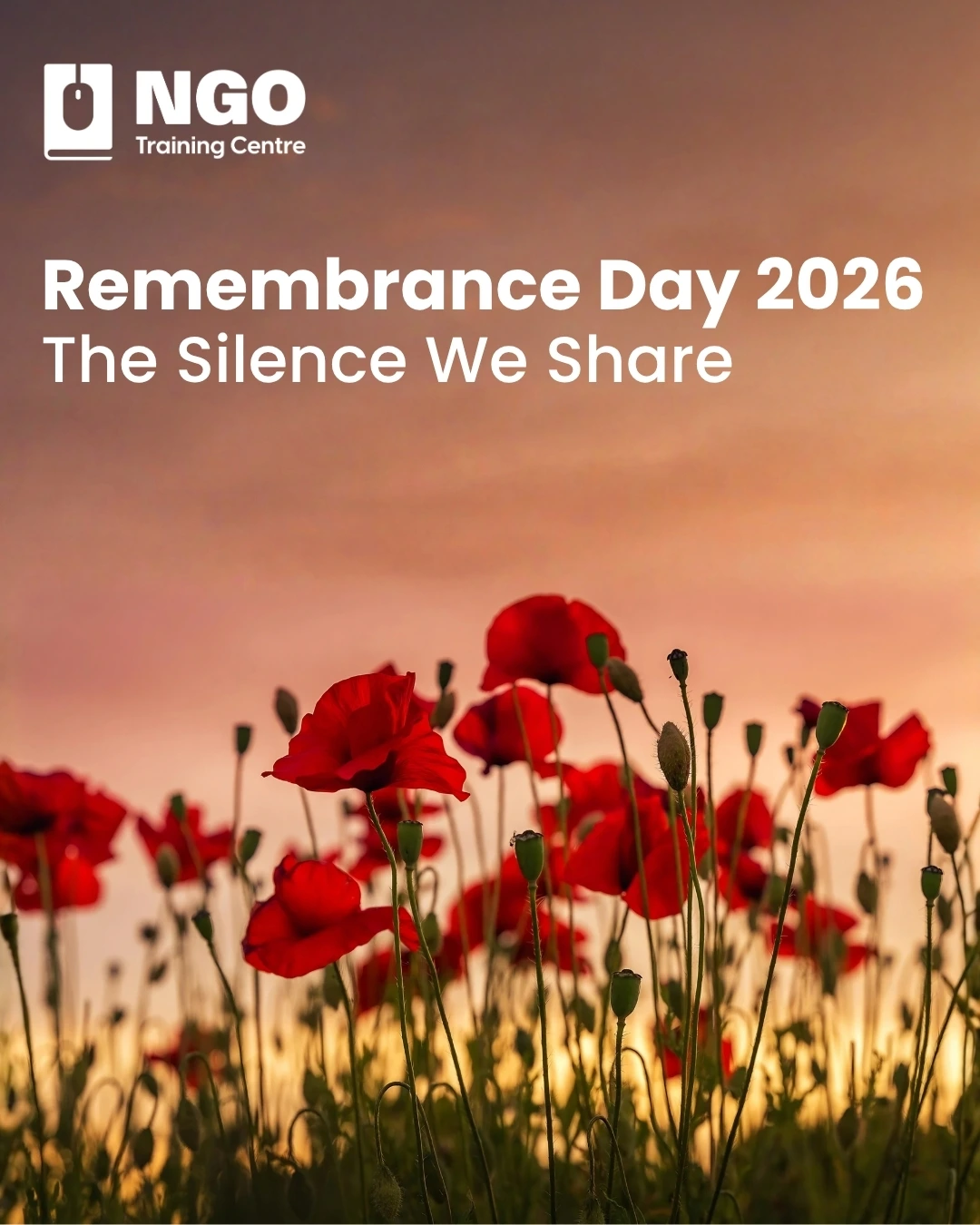
Remembrance Day marks the moment the guns fell silent on the Western Front, at 11 am on 11 November 1918.

For many families, it is not history.

It is a name on a memorial, a photograph that hangs on the wall, or a chair that remained empty at Christmas.

Today we pause to remember the sacrifice of those who died or otherwise suffered in Australia’s cause in wars and warlike conflicts.

Many Australians have an ancestor or relative who has served in a war, conflict or peace operation. It’s often this personal connection that they remember. My husband served in Afghanistan in 2009, my father served in the Vietnam War, and his father was a fighter pilot in WW2 who miraculously survived his aircraft being shot down.

They survived, but were forever changed.

This day brings with it many emotions for many people. For the families of soldiers who never came home, or came home a shadow of their former selves, the grief does not end when the service does. Parents, partners, children and grandchildren can carry this grief for generations.

If you don’t have a personal connection, you can pause and reflect silently on what war has cost Australia and the world.

In the lead-up to Remembrance Day, take a moment to reflect on who you’ll be thinking about during the minute’s silence.

To commemorate our fallen, you may wish to:

If you can’t attend an event on Remembrance Day, simply pause at 11 am, put your phones down, pause the meeting, and invite people around to join you – wherever you are – to remember. One minute is a small thing to give.

For the lives we are remembering, it was everything they had.

Lest we forget.

–

Author: Amanda Robinson (She/Her) BA, MMHealthPrac.
Dja Dja Wurrung and Taungurung Country

Amanda, Head of Learning and Development and an experienced specialist in NDIS and Aged Care, promotes capability and sustainability within the disability and health sectors. With over 15 years of experience, a Master’s in Mental Health Leadership and Management, and an MBA underway, she offers extensive expertise and personal insight as someone with lived experience of disability. A military veteran and dedicated carer of a veteran, Amanda advocates for Human Rights, striving to reduce stigma and eliminate barriers for those with disability and mental health challenges. She is enthusiastic about fostering strong stakeholder relationships through her advocacy, communication, strategic thinking, and analytical abilities.
Contact our friendly and supportive team

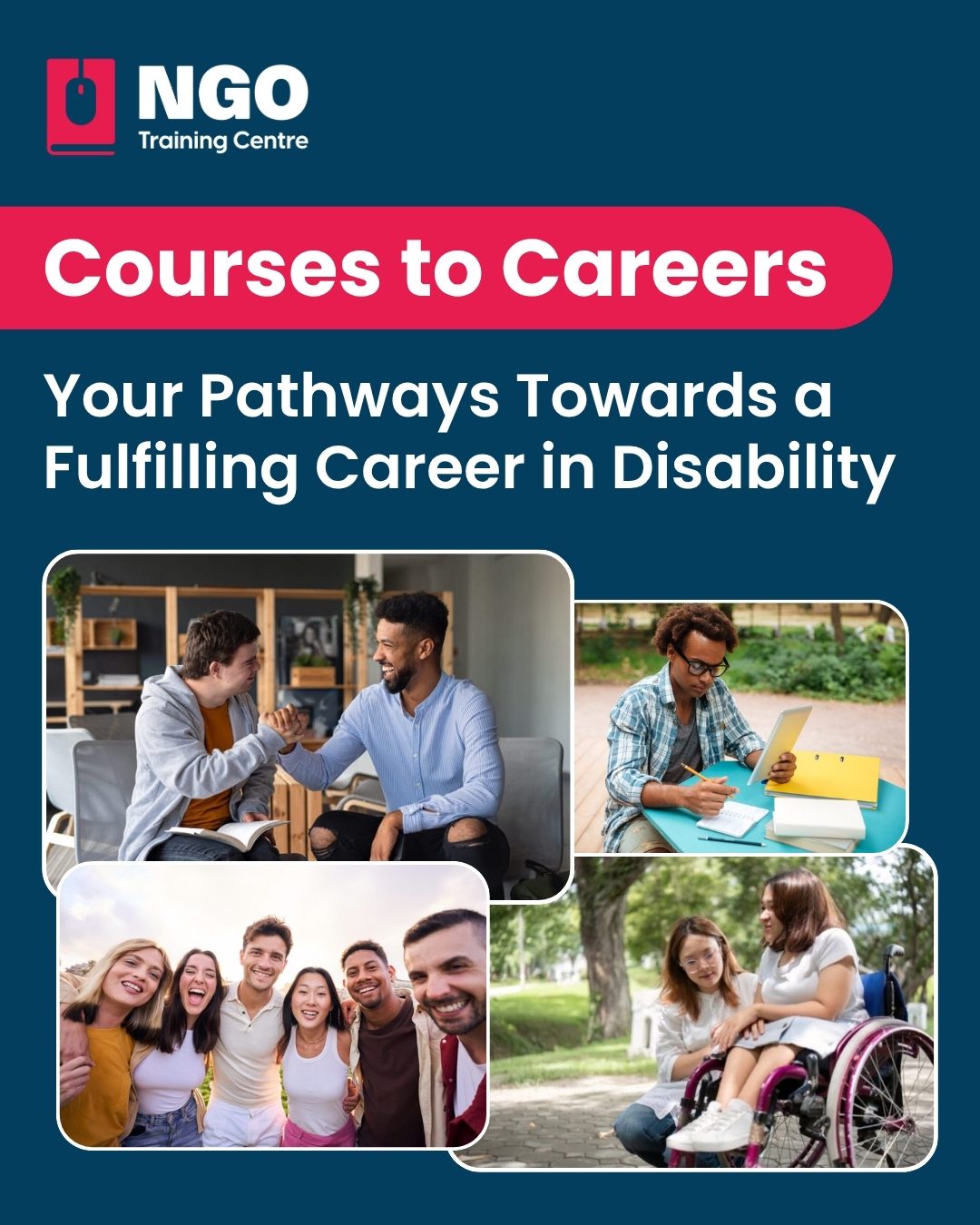
    Australia needs thousands more staff in the disability sector. That means real jobs, real training and a real future.

    Every day, people come to us with the same questions: “Where do I begin?” and “How do I get there?”

    Whether you’re finishing school, changing careers or returning to work after time away, there’s a place for you. Many roles don’t need years of experience, just a genuine interest in helping people live the life they choose.

    So, where can you start? We’ve mapped out the options for you!

    At the NGO Training Centre, we have carefully mapped career pathways for you, giving you a clear visual of how you can start your journey and reach the job of your dreams.

    Which pathway suits you? Here are a few of the most sought-after roles our pathways can lead to:

    • Disability Support Worker: the heart of the sector. You’ll help people with everyday living, get out into the community and work towards their goals. It’s a great place for most people to start.
    • Support Coordinator: you’ll help NDIS participants understand and make the most of their plans, connecting them with the right services and providers.
    • Team Leader or Manager: if you enjoy guiding others, you’ll lead teams and make sure participants receive safe, quality support.
    • Specialist roles: such as Positive Behaviour Support Practitioner, Nursing or Allied Health Professional, for those who want to focus on a particular area.

    You don’t need to learn everything at once. Each pathway builds your knowledge and practical skills one step at a time.

    Reading a pathway map is simple:

    1. Choose your destination: pick the role you’d love to work towards.

    2. Know what you need first: look at the basic requirements for getting started in that role.

    3. Follow the steps: work through the recommended courses, from beginner level through to specialised training.

    Best of all, the NGO Training Centre’s recommended courses are all online and come with their own dedicated mobile app, so you can study from home (or anywhere), at your own pace.

    In many cases, you can start in entry-level support roles without a formal qualification, and many employers will train you on the job. Our courses will give you the knowledge and skills to feel confident from day one.

    From there, you can pursue further qualifications in your area of interest. 

    Remember that every expert was once a beginner, and the sector is waiting for people like you!

    Ready to take your first step? Explore our career pathways and find the one that’s right for you!

    –

    Author: Amanda Robinson (She/Her) BA, MMHealthPrac.
    Dja Dja Wurrung and Taungurung Country

    Amanda, Head of Learning and Development and an experienced specialist in NDIS and Aged Care, promotes capability and sustainability within the disability and health sectors. With over 15 years of experience, a Master’s in Mental Health Leadership and Management, and an MBA underway, she offers extensive expertise and personal insight as someone with lived experience of disability. A military veteran and dedicated carer of a veteran, Amanda advocates for Human Rights, striving to reduce stigma and eliminate barriers for those with disability and mental health challenges. She is enthusiastic about fostering strong stakeholder relationships through her advocacy, communication, strategic thinking, and analytical abilities.

    Contact our friendly and supportive team

      NGO Training Centre Online NDIS Training
      Trigger Sidebar Cart0
      ×
      Your cart is empty. Return Home