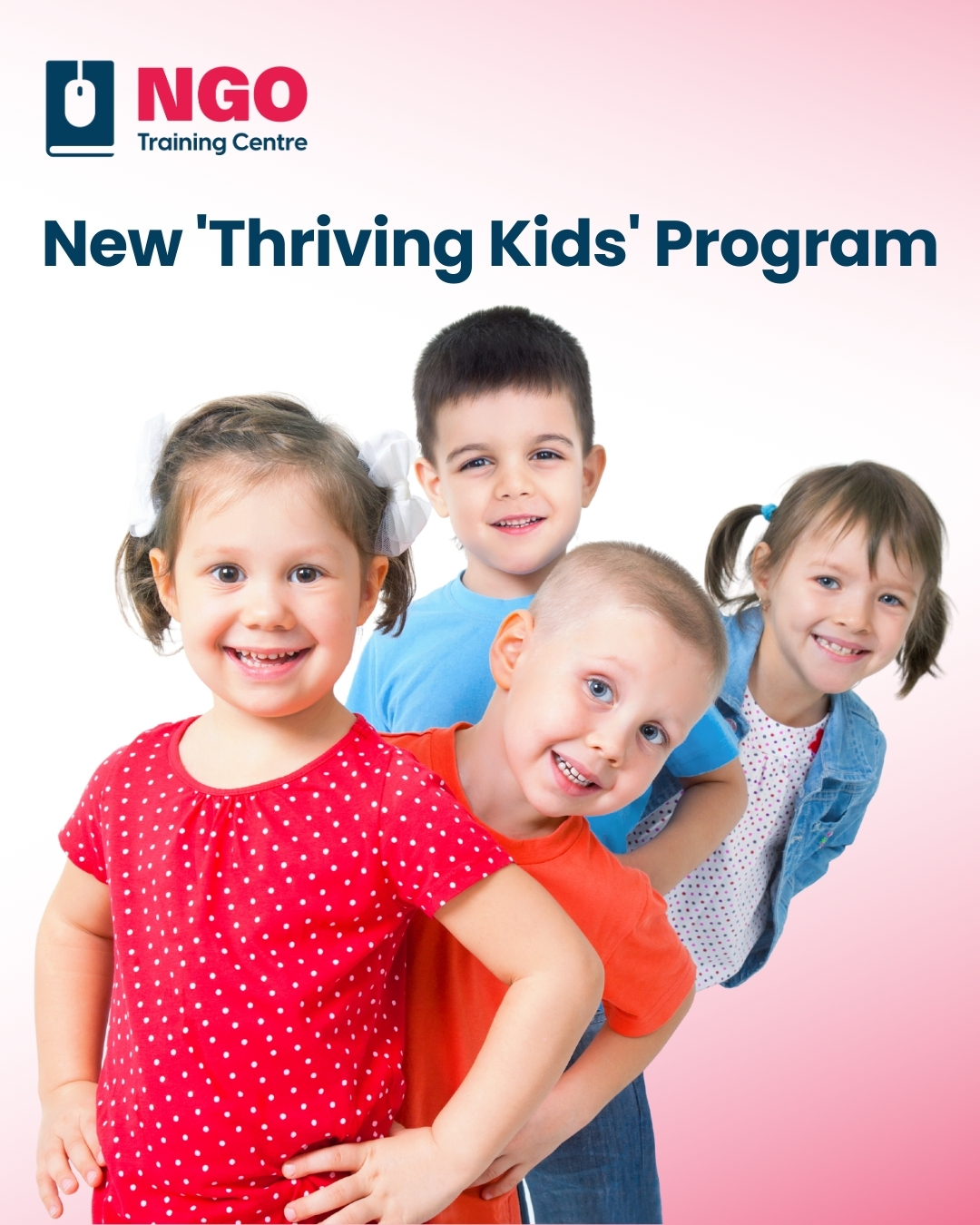
The Australian Government has unveiled a significant reform to the National Disability Insurance Scheme (NDIS) with the introduction of the ‘Thriving Kids’ program, aimed at supporting young children with mild to moderate developmental delays and autism.
Announced by NDIS Minister Mark Butler during his address at the National Press Club on August 20, 2025, this initiative seeks to alleviate pressure on the NDIS by redirecting certain early interventions to mainstream services.
With a rollout beginning July 1, 2026, the program promises to reshape how support is delivered, particularly impacting NDIS providers who will face evolving eligibility criteria, funding streams, and service delivery models.
Understanding the ‘Thriving Kids’ Program
The ‘Thriving Kids’ program is designed to provide targeted early intervention for children under nine years old experiencing mild to moderate developmental delays or autism. Minister Butler highlighted that nearly half of new NDIS participants are under nine, with most entering through the early intervention stream despite the scheme’s original focus on significant and permanent disabilities. He argued that these children are often placed on a pathway intended for lifelong support, which strains the NDIS’s sustainability. Instead, the government views this as a broader issue affecting around one in five young children, best addressed through mainstream systems like schools, childcare, and health services.
Funded equally by the Commonwealth and states/territories, the program includes a $2 billion commitment from the federal government. It will integrate existing initiatives, such as infant and maternal health programs, and introduce new elements like Medicare bulk-billed items for three-year-old child development checks, allied health supports (including occupational therapy and speech pathology), and a nationally consistent online information service for parents. The rollout will commence on July 1, 2026, with a 12-month ramp-up period to ensure services are established before major NDIS changes take effect in mid-2027.
This move aligns with broader NDIS reforms to cap growth at 8% annually by next year and further moderate it to 4-6% long-term, emphasising pricing discipline, fraud prevention, and evidence-based supports.
Children already in the NDIS or enrolling before the changes will remain supported under existing arrangements, including reassessments, ensuring no immediate disruptions for current participants.
Key Changes for NDIS Providers from July 2026
Providers registered with the NDIS, including therapists, allied health professionals, and early intervention specialists, will encounter substantial shifts as the ‘Thriving Kids’ program takes shape. Here’s a breakdown of the anticipated changes:
- Eligibility and Access Restrictions: From mid-2027, children with mild to moderate developmental delays or autism will no longer qualify for NDIS entry under the early intervention stream. Instead, they will be diverted to ‘Thriving Kids’. This means NDIS providers could see a significant reduction in new young clients, potentially halving the influx of under-nine entrants who currently dominate new enrolments. Providers specialising in autism and developmental support may need to pivot toward serving those with more severe, permanent disability to maintain caseloads.
- Shift to Mainstream and Foundational Supports: Services under ‘Thriving Kids’ will emphasise integration into everyday settings like childcare centres, playgroups, and schools, rather than individualised NDIS plans. Providers might need to adapt by offering group-based or community-embedded interventions, potentially requiring new partnerships with education and health systems. This could involve scaling up programs like Child and Family Learning Centres or Mental Health in Primary Schools, where providers deliver supports in non-NDIS environments.
- Funding and Registration Implications: With ‘Thriving Kids’ introducing new Medicare items for therapies such as occupational therapy, speech pathology, and psychosocial supports, providers could access alternative funding streams outside the NDIS. However, only a fraction of current NDIS providers (around 16,000 out of 260,000) are registered, and the government plans to enhance market stewardship and oversight. Providers may face stricter evidence requirements for services, pricing alignments with other sectors like aged care, and opportunities or mandates to register under the new program.
Aspect 1: Target Group
Current NDIS Approach: Children under 9 with any level of developmental delay/autism via early intervention.
Changes from July 2026 (Thriving Kids): Limited to severe/permanent cases; mild/moderate diverted to Thriving Kids.
Impact on Providers: Reduced client volume; focus on complex needs.
Aspect 2: Service Delivery
Current NDIS Approach: Individualised plans and budgets (e.g., $10k-$30k per child).
Changes from July 2026 (Thriving Kids): Mainstream integration (schools, childcare); group supports.
Impact on Providers: Need for new models, partnerships, and less reliance on NDIS funding.
Aspect 3: Funding Sources
Current NDIS Approach: NDIS budgets.
Changes from July 2026 (Thriving Kids): Shared state/Commonwealth; new Medicare items.
Impact on Providers: Diversified revenue; potential for bulk billing.
Aspect 4: Oversight
Current NDIS Approach: Limited for unregistered providers.
Changes from July 2026 (Thriving Kids): Enhanced stewardship, evidence-based requirements.
Impact on Providers: Increased registration and compliance checks.
Overall, while the changes aim to enhance sustainability, providers should anticipate a period of adaptation, including upskilling for mainstream delivery and advocating for involvement in program design to safeguard their expertise.
Media Release from Disability Advocacy Bodies
On August 21, 2025, a coalition of Disability Representative Organisations (DROs), including the Australian Autism Alliance (AAA), People with Disability Australia (PWDA), and others, issued a joint media release titled “Disability Representative Organisations stand united in our reiteration to government of nothing about us without us.” The full release is available here.
The DROs expressed disappointment over the lack of consultation with the disability community regarding the ‘Thriving Kids’ announcement, despite Minister Butler referencing the principle of “nothing about us without us” in his National Press Club speech. While they welcome the $2 billion investment and the government’s commitment to the NDIS, they highlight uncertainty around the program’s ambitious timeline and its alignment with broader Foundational Supports recommended by the NDIS Review. These supports, vital for the 4.8 million Australians with disabilities not on the NDIS, include peer support and self-advocacy. The DROs emphasise the need for co-design with the disability community to ensure a sustainable, community-accepted system and appreciate Minister Butler’s assurance that no children will be removed from the NDIS before ‘Thriving Kids’ is fully established.
The DROs’ response underscores a critical tension in the reform process: the need for inclusivity versus the urgency of implementation. Their call for co-design aligns with the NDIS Review’s emphasis on lived and living experience, ensuring reforms reflect the community’s needs. The concern about the timeline is valid, as a rushed rollout risks service gaps, particularly for families reliant on early intervention.
Providers can take a cue from this advocacy, actively engaging in co-design to shape ‘Thriving Kids’ and secure their role in the evolving disability support landscape. The DROs’ endorsement of the NDIS’s transformative impact reinforces the importance of balancing sustainability with equitable access, a challenge providers must navigate as they adapt to new models.
As ‘Thriving Kids’ moves forward, providers and advocacy bodies will play a pivotal role in shaping its success, ensuring Australia’s disability support ecosystem remains robust and equitable. The NGO Training Centre is here to support you every step of the way and ensure that your training needs and compliance obligations are fulfilled.
–
Author: Amanda Robinson BA, MMHealthPrac,
As Head of Learning and Development and a seasoned NDIS expert, Amanda drives capability and sustainability in the disability and health sectors. With over 15 years of experience, post-graduate qualifications in Mental Health Leadership and Management, and currently pursuing an MBA, she brings deep expertise and personal insight as someone with lived experience of disability. A devoted carer, Amanda champions Human Rights, working to dismantle stigma and barriers for individuals with disability and mental health challenges. She is passionate about building robust stakeholder relationships, leveraging her advocacy, communication, strategic thinking, and analysis skills.