
Meta Pixel
Dementia and palliative care are key in Australia’s aged care, with dementia affecting 446,500 people and projected to exceed 1 million cases by 2065. This growth strains services amid an ageing population. The Aged Care Act 2024 and Support at Home Program, effective November 2025, introduced rights-based frameworks and dedicated end-of-life care pathways.

The connection between dementia and palliative care is especially important. Many individuals with advanced dementia need compassionate care that emphasises comfort, dignity, symptom relief, and overall quality of life, rather than trying to cure. The recent reforms clearly acknowledge the right to excellent palliative and end-of-life care within aged care services.

Policy Reforms Supporting Dementia and Palliative Care

The Aged Care Act 2024 and the strengthened Aged Care Quality Standards place ageing individuals at the centre, with a specific emphasis on:

  • A Statement of Rights that includes access to palliative and end-of-life care, dignity, and supported decision-making (particularly important for those with cognitive impairment).
  • Enhanced expectations for person-centred care, dementia-friendly environments, and culturally safe practices (including for Aboriginal and Torres Strait Islander Elders), and
  • Mandatory attention to clinical care needs, including delirium prevention, pain management, and comprehensive end-of-life care.

The Support at Home program includes:

  •  Higher funding levels for complex needs, such as advanced dementia, and
  • A dedicated End-of-Life Pathway providing up to approximately $25,000 over 12–16 weeks for people with a life expectancy of three months or less who wish to remain at home.

The National Dementia Action Plan 2024–2034 calls for greater investment in brain health awareness, risk reduction, early diagnosis, post-diagnostic support, and better coordinated care.

The Shift Toward Home-Based Dementia and Palliative Care

A strong preference for ageing in place includes people with dementia and those needing palliative care. It has been found that up to 90% of Australians want to die at home with support. The End-of-Life Pathway under Support at Home provides more funding for in-home personal care, respite, and practical supports.

Home care for dementia emphasises reablement, behaviour support, assistive technology, home modifications, and respite care. Residential care is vital for severe Behavioural and Psychological Symptoms of Dementia, with new facilities designed to be dementia-friendly, home-like, private, with outdoor access, and with less sensory overload.

Technology and Innovation in Dementia and Palliative Care

The adoption of technology is rising quickly to address workforce shortages and improve the quality of life. This includes:

  • AI-enabled companion robots (such as Abi and Daisy) provide cognitive stimulation, music, exercise guidance, conversation, and companionship, particularly helpful in reducing loneliness among people with dementia.
  • Predictive sensors, behaviour monitoring, fall detection, and pain-management apps support early intervention and symptom control, and
  • Digital tools, including palliative care dashboards, support better coordination of end-of-life care.

Technology must supplement, not replace, human connection, with ongoing attention to privacy, ethics, and equitable access.

Workforce Challenges in Specialist Care

Dementia and palliative care are among the most demanding areas of aged care.

Key trends include:

  • Growing need for staff with specialised skills in person-centred dementia care, behaviour management, and the creation of supportive environments.
  • Increased demand for palliative and end-of-life expertise, including symptom management, emotional support for families, and advance care planning.
  • Persistent overall workforce shortages, with specialised dementia and palliative care roles particularly hard to fill, especially in regional and remote areas.

Government initiatives include wage supplements for aged care nurses, and providers are also prioritising targeted training and retention strategies. Upskilling the broader workforce in palliative care and dementia care remains a national priority.

Emerging Focus Areas

Advance Care Planning and Supported Decision-Making: The new Act provides additional tools to help people with dementia share their preferences early on, ensuring their voices are heard.

Cultural Safety: There’s a stronger focus on delivering dementia and palliative care that respects and aligns with cultural needs.

Integrated Care: Efforts are underway to improve how aged care, specialist palliative services, primary care, and hospitals work together.

Prevention and Brain Health: Calls for a national brain health campaign.

Outlook for the Remainder of 2026 and Beyond

In 2026, the focus is on implementation and adaptation, with providers overseeing new funding, standards, and price caps while also expanding dementia-friendly and palliative care practices. The Federal Budget for May 2026 is anticipated to outline details regarding workforce and dementia funding.

Challenges remain, including long wait times for assessments and services, thin markets in regional areas, and the significant future increase in dementia cases. Overcoming these will require ongoing investment, creative use of technology, more specialised training, and real choices for consumers.

For ageing individuals with dementia, their families, and those near the end of life, trends will be more rights-based, home-focused, and compassionate. Skilled, empathetic care workers are essential, and training is vital to developing this workforce.

You can access courses from the NGO Training Centre in Dementia, Advance Care Planning (coming soon), Cultural Safety and Awareness (coming soon) and Palliative Care, which are crucial for improving workforce skills and ensuring that reforms lead to better, dignified care across Australia.
Author: Cathy Kerr BANurs, GDAET, Cert IV Training and Assessment.

Cathy brings over three decades of expertise to the field of nursing education, with a distinguished career as a registered nurse, educator, and now aged care consultant. Her extensive experience spans clinical practice, training, and consultancy, where she has dedicated herself to improving care standards and supporting both ageing individuals and healthcare professionals. With a deep understanding of the sector’s challenges and opportunities, Cathy combines her nursing background with a passion for education to drive positive outcomes in aged care.

Get in touch

    This year, the World Health Organization (WHO) invites us all to reflect on a powerful truth: “Action Saves Lives”.

    Every year on May 5, the global SAVE LIVES: Clean Your Hands campaign highlights one of the simplest, most effective ways to protect individuals with proper hand hygiene. In 2026, marking its 18th year, the campaign continues to remind healthcare workers, aged care and disability support professionals that consistent hand hygiene is critical to infection prevention and control.

    Healthcare-associated infections remain a significant challenge worldwide. They affect millions of people every year, prolong hospital stays, increase healthcare costs, and sadly, can cost lives. Yet research shows that a large proportion of these infections are preventable through timely, correct hand hygiene.

    Why Your Actions Matter

    • Cleaning your hands at the right moments (the WHO 5 Moments for Hand Hygiene) breaks the chain of infection
    • It protects you, individuals in aged care facilities and SDA, individuals being supported at home, patients in hospitals, and your colleagues
    • It reduces the spread of bacteria, viruses, and antimicrobial-resistant organisms, and
    • It builds a stronger culture of safety and quality in every care environment.

    Whether you’re a disability support or aged care professional or manager, your daily actions count.

    Remember:

    🧴 Alcohol-based hand rub or soap and water

    👏 Correct technique for at least 20–30 seconds

    ⏰ At the right times, such as before and after contact with an individual, before support tasks, after body fluid exposure, and after touching surroundings.

    These small but deliberate actions save lives.

    On World Hand Hygiene Day 2026, we encourage every provider to ensure that their staff are well-trained, supported, and committed to continuous improvement!

    Because Action Saves Lives, and safer care truly starts with clean hands.

    Let’s turn awareness into everyday action. We can help! Check out the NGO Training Centre courses on:

    Author: Cathy Kerr BANurs, GDAET, Cert IV Training and Assessment.

    Cathy brings over three decades of expertise to the field of nursing education, with a distinguished career as a registered nurse, educator, and now aged care consultant. Her extensive experience spans clinical practice, training, and consultancy, where she has dedicated herself to improving care standards and supporting both ageing individuals and healthcare professionals. With a deep understanding of the sector’s challenges and opportunities, Cathy combines her nursing background with a passion for education to drive positive outcomes in aged care.

    Get in touch

      POV: You want to start a business that makes a real difference in people’s lives. There’s so much red tape and administrative burden to become a registered provider that it all seems so overwhelming.

      You are likely wanting to engage with an NDIS consultant because, after all, having them do all the groundwork for you sounds like a dream come true. But these can come at a great cost, and not just financially.

      You are putting your ‘baby’ into the hands of a person or company and have faith that they will do the right thing by you, your team, and your future participants. Don’t get me wrong, there are some incredible consultants out there, but not all consultants are created equal and let’s face it, there are so many to choose from, who can you trust is going to have your best interests at heart?

      Given the recent NDIS changes, becoming registered with the NDIS will be mandatory, as a result of the current lack of oversight in the sector, the level of fraud and ongoing incidents, and the strong recommendations from the Disability Royal Commission and the NDIS Review.

      So, with this in mind, if you are an NDIS provider, you will need to become registered, and soon.

      We spoke with the community, service providers, and the team at the Provider Institute about the challenges providers were facing in becoming registered providers, as well as the gaps organisations were experiencing.

      We found out some interesting facts.

      We discovered that NDIS providers registering for the first time usually have multiple questions about completing the online self-assessment and ask for help. Out of 22,000 applicants, over 10,000 were declined because the provider used the same answers as other applicants, which were usually generic and had been provided by a consultant. The self-assessment component is mandatory for applying for NDIS registration and NDIS renewal audits, making this even more important!

      We also found out that the NDIS Commission has a strong focus on the quality of self-assessment questions. Providers cannot copy or use responses from another organisation, as this may delay their registration or result in the NDIS Commission rejecting the application.

      The NGO Training Centre and the Provider Institute have combined their skills and knowledge to develop 9 courses based on responding to the NDIS Practice Standards, including the core module and several supplementary modules, including a FREE introductory course to help you understand which modules you will require for your business, and how to complete the online self-assessment.

      Our courses are designed to explain the NDIS Self-Assessment and how to respond to the NDIS Practice Standards questions relevant to your organisation. The great thing is that by understanding the NDIS Practice Standards and how to answer the self-assessment questions, providers can have greater confidence in the NDIS registration process.

      And even more importantly, the self-assessment questions are the same as those that the auditors will check during the audit process, so they also provide excellent preparation for your NDIS Audit.

      So really, it’s a win-win!

      Get the guidance you need to succeed. Start today with our FREE NDIS Self-Assessment Introductory Course and other NDIS Self-Assessment Preparation Courses. Then, complete the supplementary courses relevant to your registration, and you’ll be well on your way to NDIS Registration!

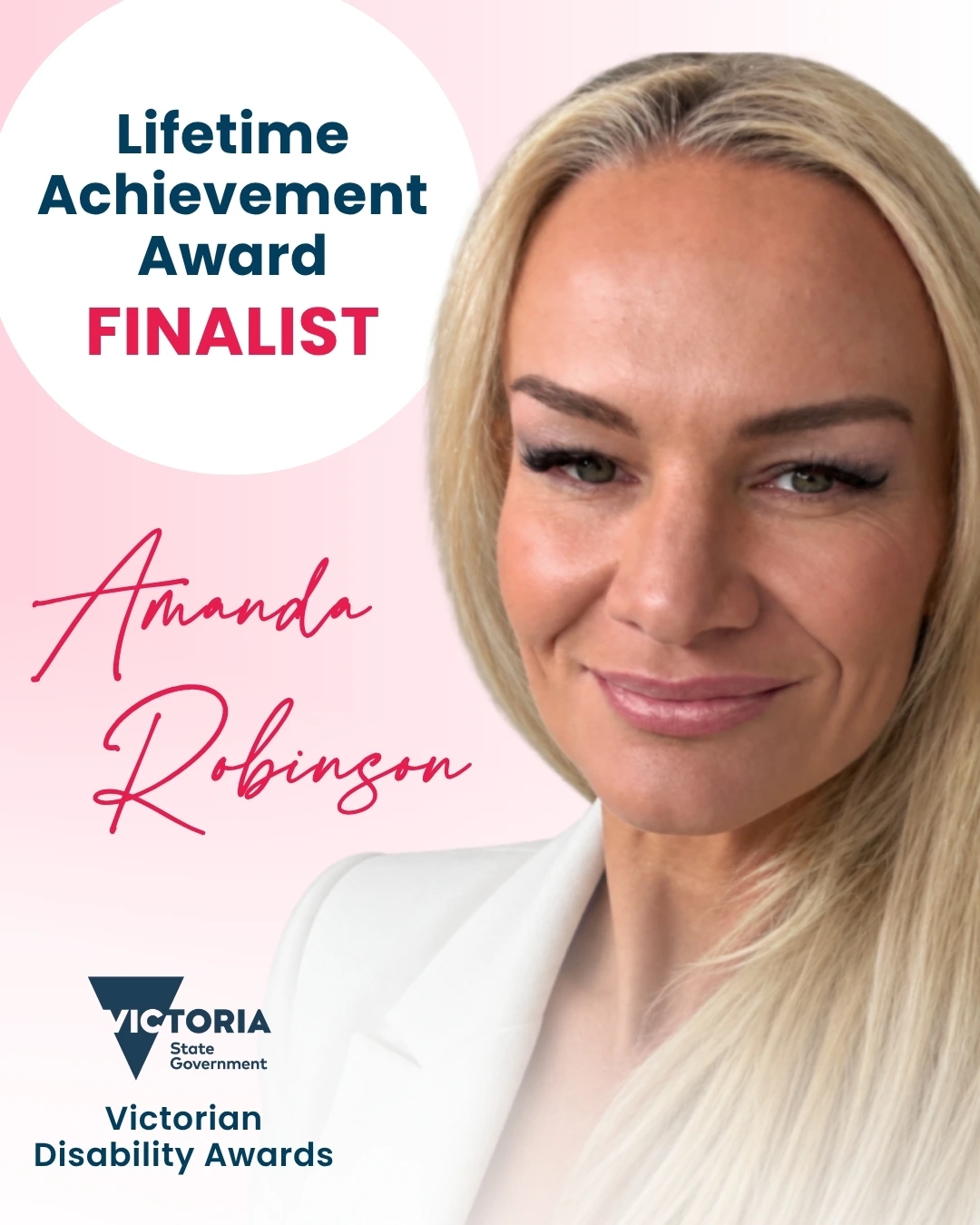
      Author: Amanda Robinson BA, MMHealthPrac,

      As Head of Learning and Development and a seasoned NDIS expert, Amanda drives capability and sustainability in the disability and health sectors. With over 15 years of experience, post-graduate qualifications in Mental Health Leadership and Management, and currently pursuing an MBA, she brings deep expertise and personal insight as someone with lived experience of disability. A devoted carer, Amanda champions Human Rights, working to dismantle stigma and barriers for individuals with disability and mental health challenges. She is passionate about building robust stakeholder relationships, leveraging her advocacy, communication, strategic thinking, and analysis skills. 

      Contact our friendly and supportive team

        As you are aware, the aged care sector is undergoing major reform and rapid change, driven by government regulation, workforce pressures, and rising demand for services.

        As Australia’s population continues to age, aged care providers are being pushed to rethink how care is delivered, documented, and monitored, while maintaining a strong focus on dignity, safety, and person-centred care.

        One of the most significant developments in recent years is the ongoing digital transformation of aged care services. Across residential and home care settings, providers are increasingly required to use electronic care records, digital assessment tools, and centralised reporting systems. These systems are designed to improve accuracy, reduce documentation errors, and ensure that care information is accessible to all relevant staff in real time.

        A key driver of this shift is the introduction of stronger regulatory expectations under Australia’s aged care reforms. These reforms emphasise transparency, accountability, and improved care outcomes. Digital systems are seen as a way to support these goals by making it easier to track care plans, monitor changes in an individual’s condition, and ensure that care decisions are evidence-based and consistent across shifts and teams.

        Alongside this, there is growing discussion in the sector about using data analytics and emerging artificial intelligence (AI) tools in aged care. Some providers are beginning to trial systems that can identify early warning signs of deterioration, predict fall risk, or flag changes in behaviour. These tools have the potential to improve early intervention and prevent serious incidents. However, they also raise important questions about privacy, data security, and the role of human decision-making in care.

        Many professionals in the sector emphasise that while technology can support care delivery, it cannot replace the human elements essential to aged care, such as empathy, communication, and relationship-building. There is ongoing concern that over-reliance on digital systems could reduce meaningful interaction between staff and residents if implementation is not carefully managed.

        At the same time, the aged care workforce continues to face significant pressure. Staffing shortages, rising workload demands, and high levels of burnout remain persistent challenges across Australia. Many facilities report difficulties recruiting and retaining qualified staff, particularly in rural and remote areas. This has led to greater reliance on training programs, international recruitment, and new workforce models to improve retention and reduce strain on existing staff.
        In response, some organisations are investing in technology not only to improve care delivery but also to reduce staff administrative burdens. Digital rostering systems, mobile documentation tools, and streamlined reporting platforms are helping staff spend less time on paperwork and more time delivering direct care. While these systems are not a complete solution to workforce shortages, they are increasingly viewed as part of a broader strategy to improve efficiency and job satisfaction.

        Another important trend in aged care is the ongoing shift towards person-centred care. This approach focuses on the individual’s preferences, history, values, and goals, rather than on their medical conditions alone. Digital care planning tools are being designed to capture this information more effectively, enabling more tailored, responsive care. However, experts stress that person-centred care still relies heavily on strong relationships between workers and residents, not just on data collection.

        Overall, the future of aged care in Australia is likely to be shaped by a balance of innovation and human connection. Technology will continue to play an increasingly important role in improving safety, efficiency, and communication, but the core of aged care will remain grounded in compassion, dignity, and respect. The sector’s challenge will be to ensure that digital transformation enhances rather than replaces the human experience of care.

        Author: Cathy Kerr BANurs, GDAET, Cert IV Training and Assessment.

        Cathy brings over three decades of expertise to the field of nursing education, with a distinguished career as a registered nurse, educator, and now aged care consultant. Her extensive experience spans clinical practice, training, and consultancy, where she has dedicated herself to improving care standards and supporting both ageing individuals and healthcare professionals. With a deep understanding of the sector’s challenges and opportunities, Cathy combines her nursing background with a passion for education to drive positive outcomes in aged care.

        Get in touch

          A day of remembrance. A day of mourning. A day of community supporting those who have been left behind…and often, a day of trauma.

          Leading up to ANZAC Day is not always a positive experience for many who have experienced the reality of laying their lives on the line for their country.

          The humming of the bugle, the singing of the anthem, the synchronised marching of those who are serving, the survivors and their allies, can all trigger feelings of loss, despair, and deep-seated trauma.

          As a veteran myself (RAAMC) and a partner/carer for a veteran who served in Afghanistan (RAEME) in Operation Slipper in 2010, I can personally reflect on this day with very mixed feelings. It took my partner many years before he could set foot outside the house, let alone attend a dawn service parade. Without understanding, patience and support, he may not have.

          Some days he still can’t, and that’s the reality of trauma.

          For civilians to understand this trauma can be incredibly challenging, and I am passionate about building awareness around the reality of experiences that many returned soldiers and their families endure.

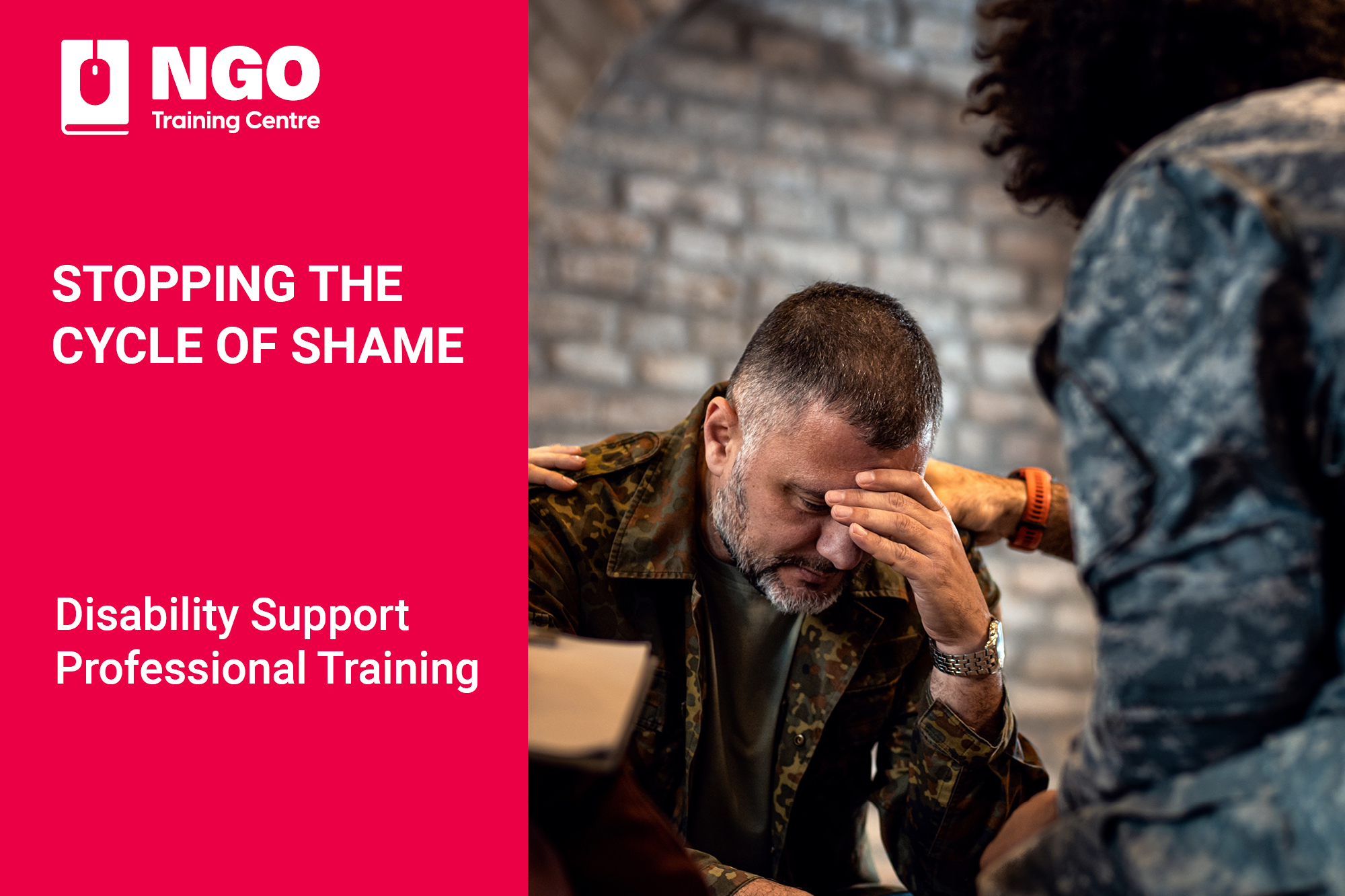
          When I first started at the NGO Training Centre, one significant aspect that drew me to the organisation was the complexity of their mental health and trauma-informed awareness training for support staff (see below for examples). I am not saying it’s the be-all and end-all… There is no way you can fit all of the complexities of supporting a veteran into micro learning courses, and anyone claiming that they can is not quite telling you the truth.

          What they DO is build a platform of knowledge, provide the inner workings of trauma, and how best to support someone who experiences post-traumatic stress disorder and related challenges. 

          In the ANZAC spirit of ‘mate-ship’, I hope that each and every organisation ensures that their staff are well-trained, well-informed, and talk openly with the veterans they support.

          Go the extra mile – because they certainly did.

          Important example courses:

          Author: Amanda Robinson BA, MMHealthPrac,

          As Head of Learning and Development and a seasoned NDIS expert, Amanda drives capability and sustainability in the disability and health sectors. With over 15 years of experience, post-graduate qualifications in Mental Health Leadership and Management, and currently pursuing an MBA, she brings deep expertise and personal insight as someone with lived experience of disability. A devoted carer, Amanda champions Human Rights, working to dismantle stigma and barriers for individuals with disability and mental health challenges. She is passionate about building robust stakeholder relationships, leveraging her advocacy, communication, strategic thinking, and analysis skills. 

          Contact our friendly and supportive team

            We have been waiting and waiting for some news…and wow…did we get it all at once!

            The Australian Government has just announced one of the most significant overhauls to both the NDIS and aged care systems in recent years.

            In a National Press Club address, Health Minister Mark Butler outlined reforms that will reshape who receives support, how services are delivered, and what is expected of providers.

            If you’re a provider, this isn’t just policy noise; this will have operational, financial, and workforce impact.

            We’ve broken it down for you, and here’s what matters most for providers right now. There will be more announcements, legislative changes from the middle of the year and some other drip-fed details coming. So, let’s start here.

            NDIS: A Shift Towards Sustainability and Accountability

            1. Fewer Participants, Tighter Access

            The NDIS is expected to reduce from 760,000 participants today to around 600,000 by 2030.

            This signals a major shift:

            • Stricter eligibility criteria
            • More people transitioning out of the scheme
            • Increased pressure on mainstream and community supports

            What this means for providers:

            • Demand may stabilise or decline in some service areas
            • Participant complexity may increase (higher needs, fewer low-support participants)
            • Greater scrutiny on service value and outcomes
            2. Functional Capacity Over Diagnosis

            Access to the NDIS will move away from diagnosis-based eligibility and toward functional capacity assessments.

            Why this matters:

            • Providers will need to clearly demonstrate how supports improve daily functioning
            • Documentation, reporting, and outcomes tracking will become critical
            • Workforce capability in assessment language and evidence-based practice will be essential
            3. Slowing the Growth of a $50B+ Scheme

            The government is targeting $55 billion by 2030, down from the projected growth of $70 billion.

            This means:

            • Tighter funding controls
            • Increased auditing and compliance activity
            • A stronger focus on eliminating waste and fraud

            Provider takeaway:

            Efficiency, compliance, and evidence of impact are no longer “nice to have”—they are survival requirements.

            4. Mandatory Provider Registration

            One of the biggest changes:

            REGISTRATION will become MANDATORY for all NDIS providers.

            Currently, fewer than 10% of providers are registered.

            This is an absolute game-changer!!

            Providers will need to:

            • Meet NDIS Practice Standards
            • Undergo audits
            • Demonstrate governance, risk management, and workforce capability

            If you’re unregistered, the question is no longer “should we register?” It is “how quickly can we get ready?” And we offer courses to assist you with your registration, including a free introduction module!

            5. Inclusive Communities Fund ($200M)

            A new fund aimed at building community-based supports outside the NDIS.

            Implications:

            • More emphasis on local, non-NDIS supports
            • Potential partnership opportunities
            • A shift toward community inclusion rather than scheme reliance

            Aged Care Changes

            Ok, now onto Aged Care. Mark Butler didn’t leave NDIS’s sibling out. He announced some further changes within the aged care sector. Let’s break this down for you with the ‘need to know for now’ news.

            1. $3 Billion Boost to Capacity and Care

            Funding will go toward:

            • More residential aged care beds
            • Increased home care packages
            • Improved service delivery

            But with great funding comes great accountability.

            Providers should expect:

            • Stronger regulation under the new Aged Care Act
            • Higher expectations around quality, safety, and governance
            2. Support at Home: Core Services Become Free

            An additional $1 billion will fund the Support at Home program, including:

            • Showering
            • Dressing
            • Continence management
            • Clinical care

            What this means:

            • Increased demand for in-home services
            • Workforce pressure (especially for skilled care roles)
            • Greater need for consistent, high-quality training (this is where the NGO Training Centre comes in!!!)
            3. Dementia Care Investment ($200M)

            There will be a HUGE pool of funding for:

            • 20 new specialist dementia care units
            • Expansion of hospital-to-aged-care transition programs

            Provider impact:

            • Growing demand for dementia-specific skills
            • Increased focus on clinical capability and behavioural support
            • Need for specialised training and workforce readiness

            The Bigger Picture: Reform Was Inevitable

            The reality is, we knew these changes were coming.

            With rising costs, increased fraud concerns, and recommendations from the Disability Royal Commission and NDIS Review, the system was under pressure to evolve.

            As one political commentator noted, without reform, the scheme itself was at risk.

            What Providers Should Do Now

            This is not a “wait and see” moment. YOU, as a provider, MUST:

            1. Review Your Compliance Position

            2. Strengthen Workforce Capability

            • Focus on functional capacity, not just task delivery
            • Invest in training that supports evidence-based practice – contact our team, who will be happy to help you find the right training for your needs

            3. Improve Documentation & Evidence

            • Can you clearly demonstrate outcomes?
            • Are your reports audit-ready?

            4. Plan for Market Shifts

            • Consider diversification (NDIS + aged care + community supports)
            • Explore partnership opportunities

            If that wasn’t already a lot to take in on a Wednesday afternoon, I don’t know what is!

            I recommend taking the time to review all these announcements, as many details are still missing and numerous components need clarification in the coming weeks. We will keep you updated as we learn more!

            Author: Amanda Robinson BA, MMHealthPrac,

            As Head of Learning and Development and a seasoned NDIS expert, Amanda drives capability and sustainability in the disability and health sectors. With over 15 years of experience, post-graduate qualifications in Mental Health Leadership and Management, and currently pursuing an MBA, she brings deep expertise and personal insight as someone with lived experience of disability. A devoted carer, Amanda champions Human Rights, working to dismantle stigma and barriers for individuals with disability and mental health challenges. She is passionate about building robust stakeholder relationships, leveraging her advocacy, communication, strategic thinking, and analysis skills. 

            Contact our friendly and supportive team

              Pamela Kingston is a highly respected Subject Matter Expert and course author behind NGO Training Centre’s Complaints and Reportable Incidents and Receiving Feedback with a Growth Mindset courses.

              With over 15 years’ experience in the disability sector and 20 years in community partnership program management within education, Pamela brings a depth of knowledge grounded in real-world practice, compliance, and leadership.

              Pamela is known for her strong focus on accountability, purpose-driven work, and empowering teams to deliver high-quality, person-centred outcomes. She thrives in complex, system-focused environments, applying strategic thinking and practical solutions to improve service delivery and organisational performance.

              Her expertise includes:

              • Strategic and operational leadership with a strong focus on collaboration and workforce empowerment
              • Driving operational excellence and compliance through effective system design, implementation, and review
              • Designing and delivering targeted training programs to address both foundational and emerging workforce skill gaps
              • Influencing outcomes through effective stakeholder engagement, communication, and tailored messaging, and
              • Developing policies and operational processes aligned with regulatory and quality frameworks.

              Pamela currently works as a Senior NDIS Consultant at Provider+, supporting organisations to strengthen compliance, governance, and service quality across the sector.

              She holds a Bachelor of Social Science (Social Welfare) and a Graduate Certificate in Australian Migration Law and Practice.

              We are both thrilled and proud to have Pamela on our Governance Team at the NGO Training Centre.

              Learn more about all our brilliant Subject Matter Experts on our About Us page.

              In November 2025, the federal government introduced ‘once-in-a-generation’ reforms: a new Aged Care Act and Support at Home program to prioritise the rights of ageing Australians.

              Five months later, the system is not doing as well as initially imagined, with wait times doubled, costs surging, and over 100,000 older Australians remaining in limbo, whilst politicians from both sides call for urgent action and fixes.

              This isn’t just a policy failure; it’s the harsh reality for grandparents, widows, and rural farmers who want to age with dignity at home. Instead, they must choose between a hot meal and a shower. Worse, they’re left languishing on waiting lists while their health deteriorates.

              The median wait time for a home-care package has risen to 245 days, over double the 118 days a year earlier. Assessment waits are now 27 days. Despite promises of 83,000 new packages for 2025-26, the waiting list stays above 100,000, with estimates indicating a backlog of nearly 200,000 people.

              Residential aged care isn’t an escape valve, with occupancy near 90% nationally and slow bed growth, just a few hundred last year, while we need 10,000 annually for the next twenty years. Demand surges as baby boomers retire, yet supply has barely increased.

              The workforce crisis is another area of great concern. There are many struggles to staff due to low wages, long shifts, lack of quality training and opportunities to complete their training, burnout, hindering the delivery of mandated care minutes, and really just making them feel pointless without enough workers.

              These new costs have surprised many with higher bills due to means-tested fees and rising living expenses. Service prices doubling force families to ration care or use funeral savings.

              I’m not saying the reforms were pointless. The old Home Care Packages system was bureaucratic and inflexible. A rights-based approach focusing on individuals, not providers, was well overdue, especially after the Royal Commission revealed many incidences of neglect. But good intentions without proper funding and implementation are just costly window dressing.

              What we see in March 2026 is reform theatre: big promises, complex rules, but not enough money or beds. The ABC’s investigation crowdsources stories from staff and families, asking whether the promised aged care reform is happening. Early answers are damning.

              The human toll is devastating. Ageing Australians who fought for our country, raised families, and paid taxes now sit in hospital beds because there’s nowhere safe to go home to, or they lie in their lounge rooms in pain because the promised support hours are not affordable. Providers are warning of closures, and the Productivity Commission’s own data shows the system is regressing in access.

              We urge the government to focus on providing further funding and support to providers, so they can focus on what’s most important: the care of ageing Australians.

              So, what does this look like?
              • Increase support at home packages beyond 83,000, including thousands more.
              • Fast-track incentives to train and retain aged care workers with wage rises.
              • Develop a national plan to build 10,000+ new residential beds annually, supported by low-interest loans and grants, and
              • Review pricing under the new Act to ensure dignity and nourishment without forcing choices.

              Ageing people, their families, supporters and providers didn’t demand a perfect system overnight, just one that works. Five months in, many still wait not for luxury, but for basic, compassionate care. If our ageing population deserve respect and security, excuses are over. Urgent investment is now.

              Author: Cathy Kerr BANurs, GDAET, Cert IV Training and Assessment.

              Cathy brings over three decades of expertise in nursing education, with a distinguished career as a registered nurse, educator, and now aged care consultant. Her extensive experience covers clinical practice, training, and consultancy, where she has dedicated herself to improving care standards and supporting both older adults and healthcare professionals. With a deep understanding of the sector’s challenges and opportunities, Cathy combines her nursing background with a passion for education to promote positive outcomes in aged care.

              Get in touch

                The wheels have finally started moving… and as of the 1st April 2026, the National Disability Insurance Scheme Amendment (Integrity and Safeguarding) Bill 2026 has officially passed both houses!

                In simple terms this means: More scrutiny. More control. Less room for error.

                What’s changing (and quickly)?
                • There will be stronger powers for the NDIS Commission
                • Fully electronic claiming will be happening (greater visibility)
                • Plan funding can now increase or decrease, and
                • There are more safeguards for participants.
                What does this mean for providers?

                This now isn’t just about compliance; it’s proof of practice. Organisational policies alone won’t set you up for success and documentation must be clear and consistent across the board. This means investing in high quality, accessible and robust training for your staff.

                Staff capability will be under the spotlight!

                In the NDIS world, this is where many providers will be exposed and where training becomes absolutely critical. Quality training is no longer another tokenistic tick box exercise, it will be your first line of defence.

                So, to help your organisation stay afloat in the slowly deflating lifeboat of NDIS providers, you must ensure:

                • YOUR staff understand how to apply standards and training in real scenarios
                • High-risk areas (such as medication management, positive behaviour support, and safe practices) are embedded in practice, and
                • Training is current, relevant, and demonstrable!!

                Now with tighter funding and increased oversight, the risk isn’t just getting it wrong; it’s actually not being able to prove you got it right.

                How the NGO Training Centre can support you

                At NGO Training Centre, we ensure:

                • Compliance-aligned training that meets the NDIS Practice Standards
                • Training that is updated in line with current legislation and best practice
                • Real-world application and examples in a fraction of the time (not theory-heavy content), and
                • Supporting providers to demonstrate competency and not just completion.

                In this human-rights based environment the providers who will thrive in this next phase of the NDIS are those who invest in their people, and ultimately the people they support, and rightly so!

                Because in this environment, training isn’t just optional, it is operational and essential. Get in touch today to talk to our friendly and supportive team!

                Author: Amanda Robinson BA, MMHealthPrac,

                As Head of Learning and Development and a seasoned NDIS expert, Amanda drives capability and sustainability in the disability and health sectors. With over 15 years of experience, post-graduate qualifications in Mental Health Leadership and Management, and currently pursuing an MBA, she brings deep expertise and personal insight as someone with lived experience of disability. A devoted carer, Amanda champions Human Rights, working to dismantle stigma and barriers for individuals with disability and mental health challenges. She is passionate about building robust stakeholder relationships, leveraging her advocacy, communication, strategic thinking, and analysis skills. 

                Contact our friendly and supportive team

                  This year’s theme, Together Against Loneliness, is a powerful reminder that inclusion doesn’t happen by chance… it happens through knowledge, understanding, and action.

                  For people with Down syndrome, loneliness is still a real and ongoing experience that is often linked to gaps in awareness, confidence, and support.

                  That’s where education matters.

                  At the NGO Training Centre, we know that quality training shapes quality support.

                  When staff are properly trained, they communicate better, build stronger relationships, and create environments where people feel genuinely included and not just present.

                  Training isn’t a checkbox.

                  It’s the difference between someone feeling isolated… and someone feeling like they belong.

                  Today, we challenge the sector to keep learning, keep improving, and keep putting people first.

                  Because connection starts with understanding.

                  People who discriminate are more likely to be those who do not hold an understanding. So to start you off, please watch this video about Down syndrome to help give you a deeper understanding:

                  Video link: https://www.canva.com/design/DAG-3MfeyHY/_nsu74M_uVzp7nTwJiVAdg/view?utm_content=DAG-3MfeyHY&utm_campaign=designshare&utm_medium=link&utm_source=viewer

                  Author: Amanda Robinson BA, MMHealthPrac,

                  As Head of Learning and Development and a seasoned NDIS expert, Amanda drives capability and sustainability in the disability and health sectors. With over 15 years of experience, post-graduate qualifications in Mental Health Leadership and Management, and currently pursuing an MBA, she brings deep expertise and personal insight as someone with lived experience of disability. A devoted carer, Amanda champions Human Rights, working to dismantle stigma and barriers for individuals with disability and mental health challenges. She is passionate about building robust stakeholder relationships, leveraging her advocacy, communication, strategic thinking, and analysis skills. 

                  Contact our friendly and supportive team

                    NGO Training Center Online NDIS learning
                    Trigger Sidebar Cart0
                    ×
                    Your cart is empty. Return Home