
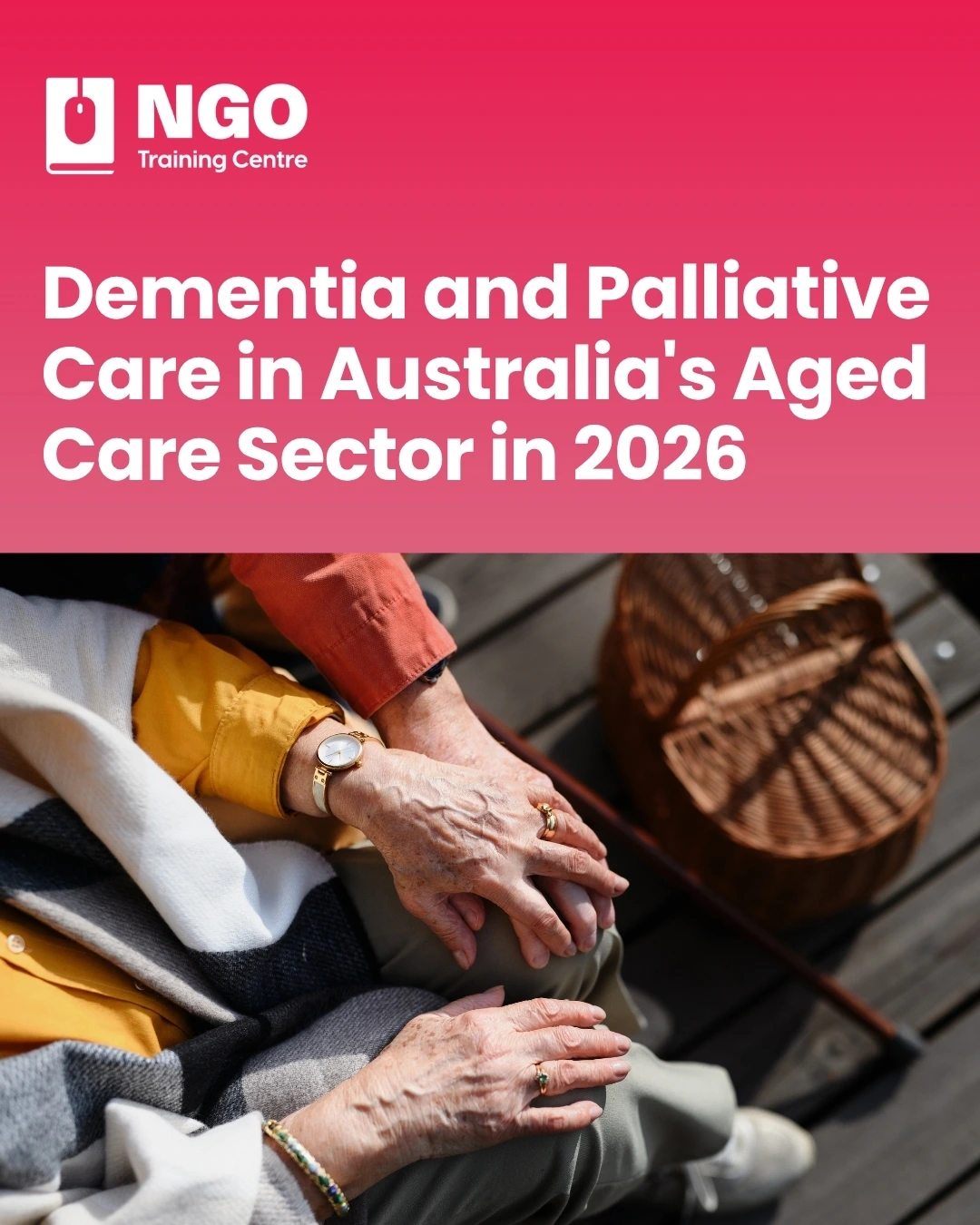
Dementia and palliative care are key in Australia’s aged care, with dementia affecting 446,500 people and projected to exceed 1 million cases by 2065. This growth strains services amid an ageing population. The Aged Care Act 2024 and Support at Home Program, effective November 2025, introduced rights-based frameworks and dedicated end-of-life care pathways.
The connection between dementia and palliative care is especially important. Many individuals with advanced dementia need compassionate care that emphasises comfort, dignity, symptom relief, and overall quality of life, rather than trying to cure. The recent reforms clearly acknowledge the right to excellent palliative and end-of-life care within aged care services.
Policy Reforms Supporting Dementia and Palliative Care
The Aged Care Act 2024 and the strengthened Aged Care Quality Standards place ageing individuals at the centre, with a specific emphasis on:
- A Statement of Rights that includes access to palliative and end-of-life care, dignity, and supported decision-making (particularly important for those with cognitive impairment).
- Enhanced expectations for person-centred care, dementia-friendly environments, and culturally safe practices (including for Aboriginal and Torres Strait Islander Elders), and
- Mandatory attention to clinical care needs, including delirium prevention, pain management, and comprehensive end-of-life care.
The Support at Home program includes:
- Higher funding levels for complex needs, such as advanced dementia, and
- A dedicated End-of-Life Pathway providing up to approximately $25,000 over 12–16 weeks for people with a life expectancy of three months or less who wish to remain at home.
The National Dementia Action Plan 2024–2034 calls for greater investment in brain health awareness, risk reduction, early diagnosis, post-diagnostic support, and better coordinated care.
The Shift Toward Home-Based Dementia and Palliative Care
A strong preference for ageing in place includes people with dementia and those needing palliative care. It has been found that up to 90% of Australians want to die at home with support. The End-of-Life Pathway under Support at Home provides more funding for in-home personal care, respite, and practical supports.
Home care for dementia emphasises reablement, behaviour support, assistive technology, home modifications, and respite care. Residential care is vital for severe Behavioural and Psychological Symptoms of Dementia, with new facilities designed to be dementia-friendly, home-like, private, with outdoor access, and with less sensory overload.
Technology and Innovation in Dementia and Palliative Care
The adoption of technology is rising quickly to address workforce shortages and improve the quality of life. This includes:
- AI-enabled companion robots (such as Abi and Daisy) provide cognitive stimulation, music, exercise guidance, conversation, and companionship, particularly helpful in reducing loneliness among people with dementia.
- Predictive sensors, behaviour monitoring, fall detection, and pain-management apps support early intervention and symptom control, and
- Digital tools, including palliative care dashboards, support better coordination of end-of-life care.
Technology must supplement, not replace, human connection, with ongoing attention to privacy, ethics, and equitable access.
Workforce Challenges in Specialist Care
Dementia and palliative care are among the most demanding areas of aged care.
Key trends include:
- Growing need for staff with specialised skills in person-centred dementia care, behaviour management, and the creation of supportive environments.
- Increased demand for palliative and end-of-life expertise, including symptom management, emotional support for families, and advance care planning.
- Persistent overall workforce shortages, with specialised dementia and palliative care roles particularly hard to fill, especially in regional and remote areas.
Government initiatives include wage supplements for aged care nurses, and providers are also prioritising targeted training and retention strategies. Upskilling the broader workforce in palliative care and dementia care remains a national priority.
Emerging Focus Areas
Advance Care Planning and Supported Decision-Making: The new Act provides additional tools to help people with dementia share their preferences early on, ensuring their voices are heard.
Cultural Safety: There’s a stronger focus on delivering dementia and palliative care that respects and aligns with cultural needs.
Integrated Care: Efforts are underway to improve how aged care, specialist palliative services, primary care, and hospitals work together.
Prevention and Brain Health: Calls for a national brain health campaign.
Outlook for the Remainder of 2026 and Beyond
In 2026, the focus is on implementation and adaptation, with providers overseeing new funding, standards, and price caps while also expanding dementia-friendly and palliative care practices. The Federal Budget for May 2026 is anticipated to outline details regarding workforce and dementia funding.
Challenges remain, including long wait times for assessments and services, thin markets in regional areas, and the significant future increase in dementia cases. Overcoming these will require ongoing investment, creative use of technology, more specialised training, and real choices for consumers.
For ageing individuals with dementia, their families, and those near the end of life, trends will be more rights-based, home-focused, and compassionate. Skilled, empathetic care workers are essential, and training is vital to developing this workforce.
You can access courses from the NGO Training Centre in Dementia, Advance Care Planning (coming soon), Cultural Safety and Awareness (coming soon) and Palliative Care, which are crucial for improving workforce skills and ensuring that reforms lead to better, dignified care across Australia.
–
Author: Cathy Kerr BANurs, GDAET, Cert IV Training and Assessment.
Cathy brings over three decades of expertise to the field of nursing education, with a distinguished career as a registered nurse, educator, and now aged care consultant. Her extensive experience spans clinical practice, training, and consultancy, where she has dedicated herself to improving care standards and supporting both ageing individuals and healthcare professionals. With a deep understanding of the sector’s challenges and opportunities, Cathy combines her nursing background with a passion for education to drive positive outcomes in aged care.