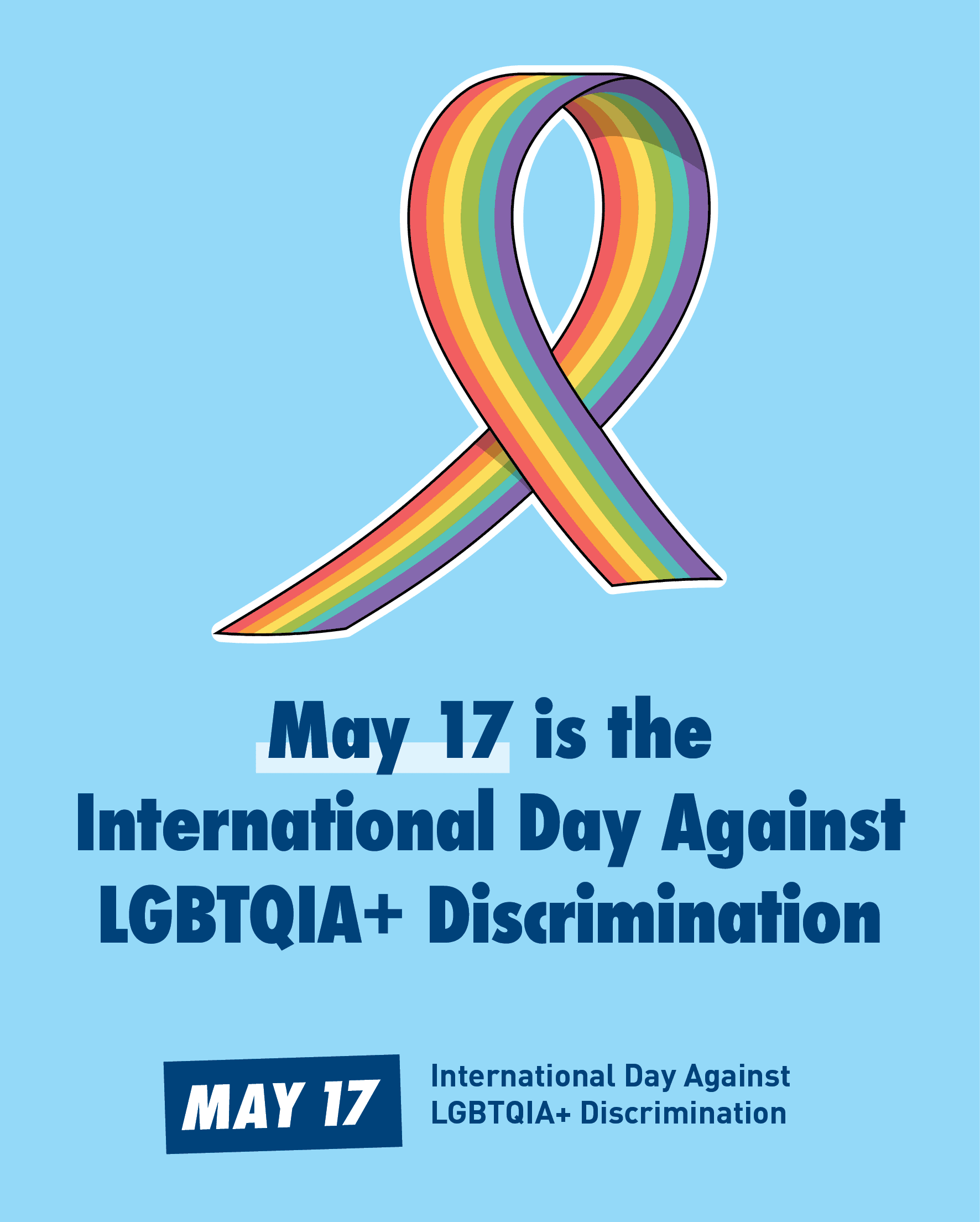
May the 17th 2026 marks the International Day Against Homophobia, Biphobia, Interphobia and Transphobia (IDAHOBIT), a day that commemorates a turning point in history.
On this date in 1990, homosexuality was officially removed from the International Classification of Diseases by the World Health Organisation.
That was 36 years ago.
Since then, we’ve seen remarkable progress toward equality and acceptance.
Yet in 2026, it can feel like we’re moving backwards in many ways. Rights that once seemed secure are being challenged. Discrimination persists. For LGBTIQASB+ individuals, particularly those who are ageing or living with disability, the barriers to feeling safe, seen, and supported remain very real.
As a disability advocate, I often had participants come to me for support with difficult conversations involving disability and aged care staff, healthcare professionals, and even their own family and friends. Many of the people around them simply didn’t understand the challenges they faced or the importance of living their lives in a way that felt authentic to who they are.
Most of the time, it came down to a lack of education and understanding around the participant’s gender identity or sexuality, along with a failure to recognise their unique experiences and the barriers they faced in accessing affirming care.
The first step was often helping the individual feel safe enough to speak up and be heard. From there, connecting them with affirming supports and linking their families, friends, and support workers to education and learning opportunities often created the pathway toward more positive and supportive outcomes.
Only yesterday, I ran into a previous client down the street who had connected with our disability advocacy organisation a few years ago. At the time, they were really struggling. The people around them didn’t understand their gender identity, and they felt completely isolated from their own community and peers.
Their support workers had little understanding of their journey and would often dismiss or judge simple requests, such as wanting to wear clothing that aligned with their identity in public or to have their pronouns respected. To make things even harder, their family also struggled to support them, which left the participant feeling incredibly distressed and alone.
Over time, I supported them in self-advocating, connecting with their community, and accessing affirming supports. We also linked their support staff and family with education so they could better understand and support the participant’s journey.
The person I spoke to yesterday was completely different. They were happy, confident, and were proud to report that they were pursuing their goals and dreams while finally feeling comfortable in their own body and identity.
It honestly made my heart happy. It was such a powerful reminder that affirming, holistic support can completely change someone’s quality of life and sense of belonging.
You see, the intersection of people with disability who also identify as LGBTIQASB+ can experience multiple layers of discrimination, exclusion, or misunderstanding across healthcare, aged care, disability services, education, employment, and community settings, which is why education across the sector is greatly needed.
Creating Inclusion at Every Life Stage
When I first started at the NGO Training Centre, I knew this gap existed for many support workers and teams, so the first thing I did was connect with a subject-matter expert with deep knowledge, education and living experience to craft a course to help professionals meaningfully support the LGBTIQASB+ community.
LGBTIQASB+ people exist in every community, every age group, and every care setting. They deserve support that recognises their identity, respects their history, and honours their dignity. So, when we expanded into aged care, we created one specifically for ageing individuals to help recognise their unique experiences.
Our Disability and Aged Care courses are designed to help staff:
- Understand the unique experiences of LGBTIQASB+ individuals across all life stages
- Recognise the barriers that can prevent people from accessing welcoming, affirming care
- Build practical skills for creating inclusive environments where everyone belongs
- Challenge assumptions or myths and expand their capacity for genuine allyship
Whether you’re supporting a young person with disability who is exploring their identity, or an ageing individual who may have lived through decades of discrimination, your approach matters. Education is a vital part of allyship.
How Will You Go Rainbow in May?
There are meaningful ways to mark IDAHOBIT in your workplace or service:
- Invite an LGBTIQASB+ guest speaker to share their living experience with your team or the people you support
- Engage in self-paced eLearning through our courses to deepen your understanding
- Start conversations about what inclusion looks like in your everyday practice
- Wear the rainbow and show your community that they are seen and valued
Because it’s more important than ever to stand up, speak out, and create SAFE and inclusive spaces where everyone can thrive.
Explore our ‘Supporting LGBTIQASB+ People‘ disability support course (plus, we have an Aged Care ‘Supporting LGBTI+ Individuals‘ course coming soon) and take the next step toward becoming a more inclusive practitioner.
Everyone can make a difference. What will you do?
–
Author: Amanda Robinson BA, MMHealthPrac,
As Head of Learning and Development and a seasoned NDIS expert, Amanda drives capability and sustainability in the disability and health sectors. With over 15 years of experience, post-graduate qualifications in Mental Health Leadership and Management, and currently pursuing an MBA, she brings deep expertise and personal insight as someone with lived experience of disability. A devoted carer, Amanda champions Human Rights, working to dismantle stigma and barriers for individuals with disability and mental health challenges. She is passionate about building robust stakeholder relationships, leveraging her advocacy, communication, strategic thinking, and analysis skills.