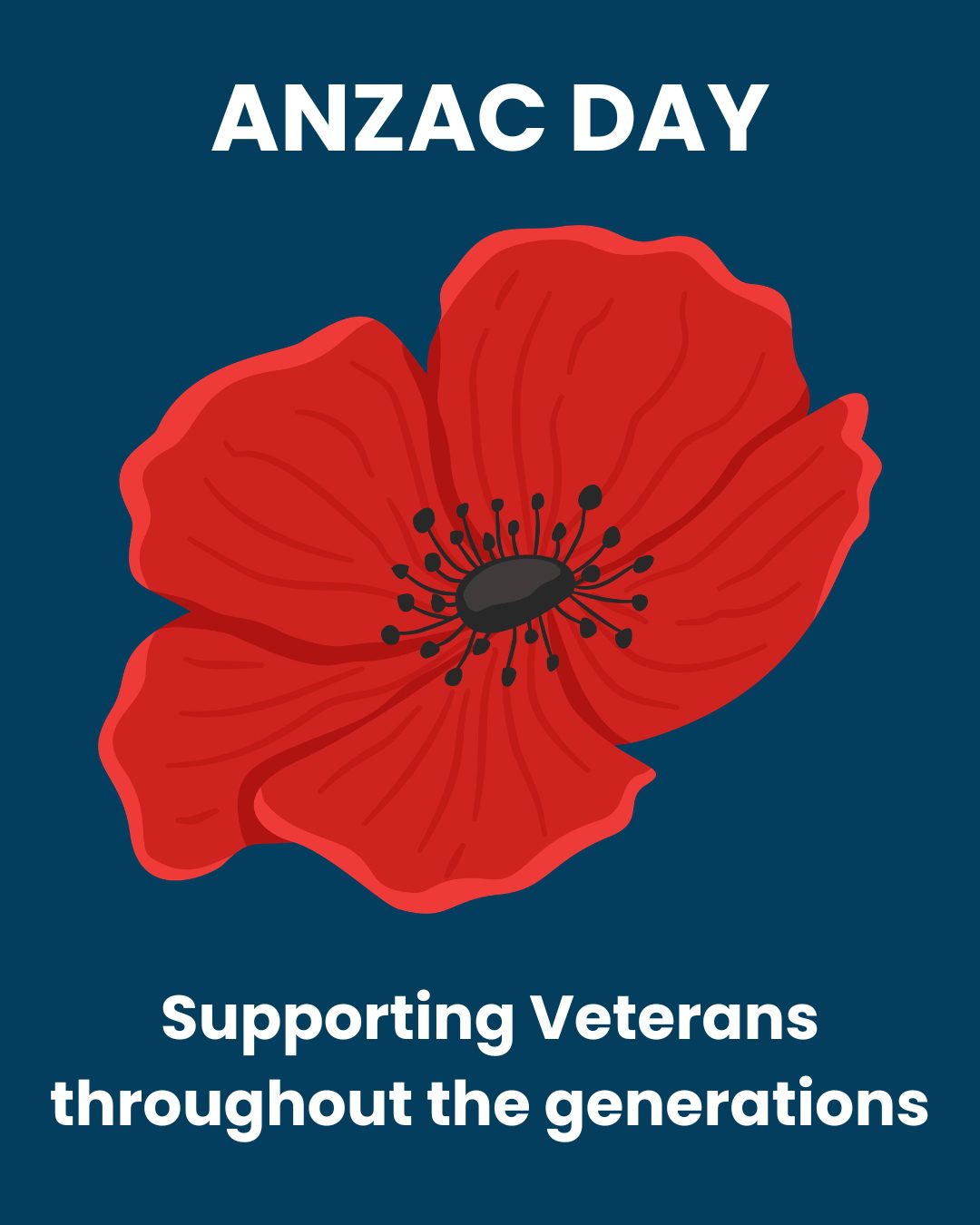
A day of remembrance. A day of mourning. A day of community supporting those who have been left behind…and often, a day of trauma.
Leading up to ANZAC Day is not always a positive experience for many who have experienced the reality of laying their lives on the line for their country.
The humming of the bugle, the singing of the anthem, the synchronised marching of those who are serving, the survivors and their allies, can all trigger feelings of loss, despair, and deep-seated trauma.
As a veteran myself (RAAMC) and a partner/carer for a veteran who served in Afghanistan (RAEME) in Operation Slipper in 2010, I can personally reflect on this day with very mixed feelings. It took my partner many years before he could set foot outside the house, let alone attend a dawn service parade. Without understanding, patience and support, he may not have.
Some days he still can’t, and that’s the reality of trauma.
For civilians to understand this trauma can be incredibly challenging, and I am passionate about building awareness around the reality of experiences that many returned soldiers and their families endure.
When I first started at the NGO Training Centre, one significant aspect that drew me to the organisation was the complexity of their mental health and trauma-informed awareness training for support staff (see below for examples). I am not saying it’s the be-all and end-all… There is no way you can fit all of the complexities of supporting a veteran into micro learning courses, and anyone claiming that they can is not quite telling you the truth.
What they DO is build a platform of knowledge, provide the inner workings of trauma, and how best to support someone who experiences post-traumatic stress disorder and related challenges.
In the ANZAC spirit of ‘mate-ship’, I hope that each and every organisation ensures that their staff are well-trained, well-informed, and talk openly with the veterans they support.
Go the extra mile – because they certainly did.
Important example courses:
–
Author: Amanda Robinson BA, MMHealthPrac,
As Head of Learning and Development and a seasoned NDIS expert, Amanda drives capability and sustainability in the disability and health sectors. With over 15 years of experience, post-graduate qualifications in Mental Health Leadership and Management, and currently pursuing an MBA, she brings deep expertise and personal insight as someone with lived experience of disability. A devoted carer, Amanda champions Human Rights, working to dismantle stigma and barriers for individuals with disability and mental health challenges. She is passionate about building robust stakeholder relationships, leveraging her advocacy, communication, strategic thinking, and analysis skills.