Meta Pixel


Invest in Training Before June 30th

You’re about to discover how the most innovative disability service providers are turning their final weeks of the financial year into a powerhouse opportunity.

While others scramble at the last minute, you have the inside track on a strategy that transforms necessary training expenses into significant tax advantages, all while building the strongest, most capable team you’ve ever had. The clock is counting down to June 30th, but that just makes this opportunity even more valuable for those clever enough to act.

Turn Training Costs into Tax Wins

Let’s talk numbers that actually matter to your business. When you invest in NGO Training Centre’s high-quality, affordable online courses before June 30th, you’re not just spending money; you’re strategically reducing your tax bill. Those NDIS-compliant courses covering everything from foundational skills to complex care scenarios? They’re legitimate business expenses that the ATO recognises as tax-deductible.

Instead of handing over extra tax dollars, you could be channelling that money into upskilling your workforce. It’s like getting a discount on professional development (sponsored by the government) that pays dividends all year long. (Just remember to chat with your accountant to make sure you’re ticking all the right boxes.)

Sleep Better During Audit Season

Here’s something that keeps many providers awake at night: those dreaded NDIS audits. And with spot checks becoming more common, the “we’ll deal with it later” approach to staff training isn’t a sensible option anymore.

NGO Training Centre gets this reality. Our platform offers more than 100 courses meticulously designed to align with the NDIS Practice Standards and the Code of Conduct, so when the auditors come knocking (announced or not), you’ll be ready with comprehensive training records and confident, well-trained staff. No more scrambling to find certificates, hoping your manually updated training log is accurate, or praying your team remembers what they learned in that workshop from two years ago.

Training That Actually Fits Your Life

We know the struggle is real! Trying to get busy support workers to attend training sessions while maintaining service delivery feels like solving a Rubik’s cube blindfolded. That’s where the beauty of online, bite-sized learning comes in.

These aren’t marathon training sessions that eat up entire days. We’re talking 30-minute chunks that your team can tackle between clients or during quiet moments. Your staff can learn on their phones during lunch breaks or catch up on tablets at home. The flexibility means less disruption to your services and more engagement from your team.

Plus, let’s be honest about the math: no travel costs, no venue hire, no catering bills. The platform has already saved organisations $33 million in training costs and nearly 300,000 hours in commute time. That’s money and time you can reinvest in what matters most. Supporting your clients.

Happy Staff, Happy Life (and Business)

Every smart business owner knows this: invest in your people, and they’ll invest in your success. NGO Training Centre’s track record speaks volumes—93% engagement rate and 90% completion rate across 20,000 learners measured. These aren’t just statistics; they represent real people feeling valued and equipped to do their best work.

When your team feels confident and competent, it shows in everything they do. Better service delivery, higher job satisfaction, lower turnover rates; it’s a win-win-win situation. And in a sector where good staff are worth their weight in gold, anything that helps you attract and retain top talent is money well spent.

Your Move: Don’t Wait Until Next Week

You know that feeling when you see a great opportunity and think, “I’ll do it next week”? Next week might be too late. The financial year clock is ticking, and once June 30th passes, you’ll be waiting another 12 months for this tax advantage to come around again.

As the business revolutionary Zig Ziglar famously said, “You don’t build a business; you build people, and then people build the business”! Right now, you have a unique window to do exactly that while also making smart financial sense.

Ready to Make Your Move?

NGO Training Centre’s team is ready to help you find the perfect training package! Whether that’s NGO Lite for smaller operations, Workforce Ready for growing teams, or NGO+ for comprehensive coverage.

Don’t spend the next financial year wondering “what if?”. Make this the year you turned training expenses into tax savings, compliance headaches into peace of mind, and good intentions into real action. Your future self (and your accountant) will thank you.

Time’s ticking—but there’s still time to win. What are you waiting for?

Click here to request a demo, or a free trial, or call our helpful Customer Relationship team on 1300 990 995.

Disclaimer: The information provided in this article is for general informational purposes only and does not constitute financial, tax, or legal advice. While we highlight potential tax benefits of investing in training, you should consult with a qualified accountant or tax professional to ensure any decisions align with your specific financial circumstances and comply with Australian Taxation Office (ATO) regulations.

Written by Matthew CrawfordPGCert(Bus)

Matt has over a decade of experience in B2B sales and business development and with a passion for human services, is deeply committed to driving meaningful solutions within the disability sector. His commitment to improving service quality and his deep understanding of client needs make him a trusted partner in advancing the capabilities of organisations that support people with disability across Australia.

Get in touch

Send your enquiry to our friendly team and we’ll be delighted to assist you


    The National Disability Insurance Scheme (NDIS) Commission has launched its Annual Stakeholder Survey.

    We’re reminding providers, workers, people with disability, and their supporters to share their valuable insights. Your feedback is crucial in helping the NDIS Commission understand what’s working well and where improvements are needed to better serve our community.

    At the NGO Training Centre, we’re committed to empowering stakeholders through education and advocacy, and we believe your voice can drive meaningful change. By participating in this short, anonymous survey conducted by an independent organisation, you can help shape the NDIS Commission’s ongoing efforts.

    Your input will ensure their systems, processes, and communication strategies are fit for purpose, accessible, and responsive to the needs of all stakeholders.

    Why Your Feedback Matters

    The NDIS Commission relies on your experiences to refine its operations and enhance support for the disability sector. Whether you’re a service provider, a frontline worker, a person with a disability, or a supporter, your perspective will help create a more effective and inclusive NDIS framework. This is your opportunity to influence policies and practices that impact our community every day.

    How to Get Involved

    The survey is quick, confidential, and open to all NDIS stakeholders. We encourage you to take just 5 –15 minutes to complete it and share your thoughts. Your responses will remain anonymous, ensuring you can provide honest feedback.

    Spread the Word

    Please share the link to this article with your colleagues, professional networks, and community groups to enhance the voices within our sector. The more perspectives we gather, the stronger the impact we can make together.

    Article link to share: https://ngotrainingcentre.com/ndis-commission-annual-stakeholder-survey/

    Key Details

    • Survey Closes: 13 June 2025
    • Who Can Participate: NDIS providers, workers, people with disabilities, and their supporters
    • Time Commitment: Approximately 10–15 minutes
    • Confidentiality: The survey is anonymous and managed by an independent organisation
    • Survey Link: bit.ly/44qbbtK

    The NGO Training Centre is proud to champion initiatives like this that strengthen the disability sector. Your participation in the NDIS Commission’s Annual Stakeholder Survey is a powerful way to contribute to a more inclusive and effective NDIS.

    Have your say today and help shape the future of disability support in Australia!


    Written by Amanda Robinson, B.A., MMentalHealth Prac.

    Amanda is a professional with over a decade of dedicated experience in the fields of Mental Health and Disability. Her extensive expertise lies in navigating the intricate landscape of the Disability Sector. She brings a unique perspective to her work, being both a person with lived experience of disability and a compassionate carer. She has a passion for advocacy, making her a staunch champion for the rights and well-being of individuals facing similar challenges.


    Remembering, Listening, Acting

    🖤💛❤️ Today, on National Sorry Day, we reflect on the trauma and strength of all First Nations Peoples, and the Stolen Generations, and renew our commitment to reconciliation.

    At the NGO Training Centre, we recognise that First Nations peoples with disability often face multiple, overlapping forms of disadvantage, from systemic racism to ableism and exclusion from mainstream services.

    In fact, did you know?

    That First Nations Peoples have some of the highest rates of disability yet are underrepresented in disability policy and service delivery?

    We’re proud to support NDIS providers and organisations to:

    • Deliver culturally safe and trauma-informed services
    • Contextualise training for First Nation’s Peoples, and
    • Build inclusive and person-centred care training through collaboration with First Nations communities and subject matter experts.

    As a Disability or Aged Care provider, what can you do?

    National Sorry Day reminds us that reconciliation includes everyone, especially those whose voices are often unheard.

    Let’s keep listening👂learning🎓 and walking together 👣👣towards true reconciliation.


    Why Providers Must Be Audit-Ready

    The National Disability Insurance Scheme (NDIS) Commission appears to have increased the frequency of spot checks on providers, often with just one week’s notice via a brief letter.

    This shift highlights a great need for providers to maintain a state of constant audit-readiness, moving away from the mindset of preparing only for scheduled audits. Let’s throw back to one of my older articles on ARFA- Always Ready For Audit: https://ngotrainingcentre.com/some-tips-to-be-always-ready-for-audit-arfa/.

    Spot checks can now occur at any time and without much warning, placing pressure on providers to always ensure compliance with the important NDIS standards.

    Some providers have let us know that this marked increase in short-notice audits has been particularly targeting Supported Independent Living (SIL) and Support Coordination providers. These spot checks aim to ensure that providers are consistently meeting the NDIS Practice Standards and delivering high-quality, safe services to participants. The NDIS Commission’s proactive approach reflects their commitment to safeguarding participant rights and ensuring accountability across the sector.

    However, this increase is not limited to SIL and Support Coordination providers. Industry insights suggest that the frequency of spot checks is likely to rise across all NDIS providers in the future. As the Commission continues to refine its oversight processes, no provider is exempt from the possibility of a sudden audit.

    So…Why The Increase?

    The rise in spot checks could be attributed to several factors:

    • Enhanced Oversight: The NDIS Commission is intensifying efforts to uphold quality and safety standards, particularly in response to reported non-compliance issues and fraud cases.
    • Participant Safety: Spot checks help identify and address potential risks to participants, ensuring providers adhere to person-centred care principles.
    • Sector Growth: As the NDIS grows, so does the number of providers, necessitating more strong monitoring to maintain service quality.

    Providers! The Importance of Being ‘Always Audit-Ready’

    The unpredictability of spot checks means providers can no longer rely on preparing for audits months in advance. A reactive approach risks non-compliance, which could lead to penalties, reputational damage, or even deregistration. Instead, providers must adopt a proactive, ongoing compliance strategy. Here’s why being “always audit-ready” is essential:

    • Minimising Disruption: Spot checks with short notice can disrupt operations if providers are unprepared. A culture of continuous compliance ensures teams are ready to respond confidently.
    • Protecting Participants: Consistent adherence to NDIS standards guarantees high-quality support, fostering trust with participants and their families.
    • Avoiding Penalties: Non-compliance during a spot check can result in corrective actions or sanctions. Being audit-ready reduces this risk.
    • Building Reputation: Providers known for consistent compliance are more likely to attract participants and maintain positive relationships with the NDIS Commission.

    How You Can Stay Audit-Ready…

    To prepare for unexpected spot checks, providers should integrate compliance into their daily operations. Here are practical steps to achieve this:

    • Staff Training: Ensure all staff are well trained in their roles and well-versed in NDIS Practice Standards and understand their role in maintaining compliance (this is where we come in!!)
    • Regular Self-Assessments: Conduct internal audits to identify and address gaps in compliance before the NDIS Commission does.
    • Documentation: Keep accurate, up-to-date records of participant plans, incident reports, and staff qualifications and training (our LMS can help with this!). Ensure these are easily accessible during an audit
    • Quality Assurance Processes: Implement robust systems to monitor service delivery and address issues promptly.
    • Mock Audits: Simulate spot checks to test readiness and familiarise staff with the audit process.
    • Stay Informed: Keep abreast of NDIS Commission updates, as requirements and focus areas may evolve.

    Looking Ahead…

    Being audit-ready is not just a regulatory requirement, it’s a commitment to excellence and participant-centred care. Providers who embrace this mindset will be better positioned to navigate the challenges of spot checks and thrive in an increasingly regulated sector.

    The NGO Training Centre offers comprehensive, tailored training solutions designed for NDIS providers. Our courses, crafted by Australian disability professionals and NDIS experts, cover critical topics such as NDIS Practice Standards, Compliance, Support Coordination, and Complex Care, aligning directly with the skills needed to meet audit requirements.

    Key offerings include:

    • NDIS Core Modules Training: A detailed guide to mastering the NDIS Practice Standards, ensuring your team is equipped to pass audits with confidence.
    • Support Coordination Bundle: A three-part course exploring the fundamentals of Support Coordination, participant consent, budget management, and conflict of interest, ideal for providers in this high-scrutiny area.
    • Disability Support Induction Pathway: Essential training for new and existing staff, covering core skills, NDIS history, and compliance obligations to foster audit-readiness.
    • Leadership Excellence Program: Tailored for managers, this suite of courses enhances leadership skills to drive compliance and quality service delivery.

    The NGO Training Centre’s cloud-based Learning Management System (LMS) is user-friendly, mobile-compatible, and customisable, allowing providers to integrate their own policies and track staff progress with real-time reporting.

    Browse our courses and training packages using the website navigation menu above or call us on 1300 990 995 to explore the full range of NDIS training courses and start building a culture of compliance today.

    Stay prepared, stay compliant, and deliver exceptional support with NGO Training Centre.

    Written by Amanda Robinson, B.A., MMentalHealth Prac.

    Amanda is a professional with over a decade of dedicated experience in the fields of Mental Health and Disability. Her extensive expertise lies in navigating the intricate landscape of the Disability Sector. She brings a unique perspective to her work, being both a person with lived experience of disability and a compassionate carer. She has a passion for advocacy, making her a staunch champion for the rights and well-being of individuals facing similar challenges.

    GET IN TOUCH

    Need advice or assistance preparing your training materials ready for audit? 

    Contact our friendly and knowledgeable team and we’ll be here to help!

      NDIS New Funding System

      From Monday, May 19, 2025, the National Disability Insurance Scheme (NDIS) will change how it distributes funds for new and reassessed plans. Instead of receiving all the funds at the start of a plan, participants will now receive their funds in smaller, scheduled payments called “funding periods” throughout their plan.

      This new system is meant to help participants budget better. It also makes sure the NDIS can keep supporting everyone fairly. Support Coordinators will need to work closely with participants to plan services around these payment schedules.

      To assist providers to understand this change, the NDIS has shared some useful resources:

      • Operational Guideline: Explains how to manage plans with the new payment system: Check it out here.
      • DSS Section 33 Factsheet: Covers the legal changes behind this update: Read it here.
      • NDIS FAQs: Answers common questions about the new funding periods: See them here.

      Support Coordinators and all providers should save the NDIS events page to their bookmarks. Current events about this change are full, but more sessions will be added soon. Checking the page regularly will help you sign up for future events.

      This change is a big step for the NDIS, and Support Coordinators and providers play a key role in helping participants adjust.

      Use these resources to stay ahead of the changes and keep providing participants with high quality supports.

      The NGO Training Centre has some fantastic courses on Support Coordination if you would like to upskill yourself or your staff! Click here to learn more about what we offer for upcoming and established Support Coordinators!


      Written by Amanda Robinson

      BA., MMentalHealth Prac.

       Amanda is a professional with over a decade of dedicated experience in the fields of Mental Health and Disability. Her extensive expertise lies in navigating the intricate landscape of the Disability Sector. She brings a unique perspective to her work, being both a person with lived experience of disability and a compassionate carer. She has a passion for advocacy, making her a staunch champion for the rights and well-being of individuals facing similar challenges.


      Meet Our Subject Matter Experts

      Hayley Assaf

      Hayley Assaf is one of our exceptional Subject Matter Experts (SMEs) at the NGO Training Centre, whose expertise in NDIS and clinical care is transforming disability support!

      Hayley is a highly experienced Registered Nurse, NDIS Consultant, and NDIS Lead Auditor who has been a cornerstone of our team since the beginning.

      She’s the brilliant mind behind most of our clinical and complex care courses, designed to arm disability service providers with practical, high-quality, and fully compliant training. With over 500 high-intensity support audits under her belt, Hayley blends her medical expertise with in-depth NDIS knowledge in each and every one of our courses.

      Beyond her work with us, Hayley is the Managing Director and Principal Consultant of COMPASSION8, NDIS & Healthcare Clinical Compliance Experts, where she is dedicated to ensuring providers meet the highest standards of care and compliance.

      What sets Hayley apart?

      Hayley is passionate about making complex NDIS processes clear and actionable, with extraordinary attention to detail. Her special interest lies in educating and equipping disability service providers to implement high-intensity supports with confidence and precision.

      We sincerely thank Hayley for her brilliant work in helping us transform training in the Australian disability sector!

      Learn more about all our brilliant Subject Matter Experts on our About Us page.


      In one of our recent webinars (see below), our Onboarding Manager Chris explained the efficient and effective processes for adding various types of competency-based practical assessments to the NGO Training Centre Learning Management System.

      This functionality gives trainers a unique and user-friendly means of adding one or more practical training components to the existing online courses provided by NGO Training Centre, all within the one Learning Management System.

      In just a few minutes, Chris gave step-by-step walkthroughs of several easy processes to add both single assessments and groups of assessments to your organisation’s LMS.

      This exceptional capability gives trainers a high level of control and customisation over their courses that is not available on many alternative Learning Management Systems, and one of many reasons our customers love our LMS.  

      Webinar Highlights

      🖥️ Webinar Introduction: Chris introduces the session’s focus on Competency-Based Practical Assessment.

      📚 Theory vs. Practical: Emphasis on the necessity of combining theoretical knowledge with practical skills for effective learning.

      🛠️ Three Levels of Implementation: Training structured into three levels: basic document submissions, course creation for practical sign-offs, and advanced instructor-led training.

      📝 Document Uploading: Instructions on adding practical assessment documents and enabling learners to submit completed work.

      📅 Instructor-Led Training: Introduction to setting up calendars and managing registration for practical sessions.

      👩‍🏫 User Permissions: Importance of user roles (admin vs instructor) for accessing and modifying course content effectively.

      ❓ Q&A Engagement: Encouragement for participants to ask questions, fostering a collaborative training environment.

      Key Insights for Trainers

       ✅ Integrated Learning Model: The competency-based model effectively bridges the gap between theoretical knowledge and practical application, ensuring workers are well-prepared for real-world scenarios. This dual approach addresses both knowledge retention and skill acquisition.

      🗂️ Course Structuring: Dividing assessments into levels allows for tailored approaches depending on the needs of learners. Simplifying tasks into incremental levels promotes better understanding and manageable learning experiences.

      📃 Documentation Handling: The training session provided practical guidance on using document uploads for assessments, simplifying record-keeping and fostering accountability among learners regarding their progress.

      🙋‍♂️ User Empowerment: Equipping attendees with the knowledge to modify user permissions enables them to manage course dynamics effectively, enhancing user engagement through appropriate access to course materials.

      🎓 Mass Enrolments in Group Settings: The ability to create groups with multiple courses needing practical sign-offs streamlines administration, optimising the time administratively required to manage learners and their assessments.

      🔄 Flexible Assessment Approaches: Offering varied methods for submitting assessments ensures that all learners can engage with the course material in a manner that suits their needs and circumstances.

      💬 Feedback and Improvements: Feedback mechanisms, such as surveys post-assessment, enable continuous improvement of training programs and help fine-tune the delivery method and content based on participant experiences.

      Watch the webinar below to find out more about this brilliant feature, or contact our team for more information or to book a demonstration.

      Play

      GET IN TOUCH


        Clean Hands Save Lives!

        Each year on May 5, the World Health Organisation’s SAVE LIVES: Clean Your Hands campaign unites people worldwide to champion hand hygiene in healthcare.

        The 2025 theme, “It might be gloves. It’s always hand hygiene,” highlights proper hand hygiene to prevent healthcare-associated infections.

        Clean hands at the right time and protect participants and healthcare workers.

        So, how can you help?

        Here are some ways that you can get involved:

        • Learn the WHO 5 Moments for Hand Hygiene.
        • Take a Course: The NGO Training Centre offers an excellent Hand Hygiene Course to equip you with vital skills. Learn what hand hygiene is, how infections spread, and effective cleaning techniques using alcohol-based rubs or soap and water. The course also covers when to wash hands routinely and during patient support, including the WHO’s 5 key moments. Enrol now to make a difference!
        • Share Hand Hygiene resources and debunk glove use myths.
        • Join WHO’s webinar or host a community event.

        This May 5, commit to clean hands and inspire others. Whether you’re a Disability Support Professional, Aged care worker, student, or community member, your actions matter.

        Clean hands, safe care! Let’s make it happen!


        Federal Election 2025

        The Federal Election is scheduled for Saturday, 3rd May 2025. As disability service providers and workers, you play a vital role in ensuring NDIS participants and people with disability can exercise their right to vote. The Australian Electoral Commission (AEC) offers a variety of accessible resources to support participation in the voting process.

        Accessible Voting Resources

        The AEC provides resources tailored for people with disability, available in multiple formats to meet diverse needs:

        • Braille: For voters who are blind or have low vision.
        • DAISY: Digital accessible information system for audio navigation.
        • MP3 Audio: Audio files for auditory access.
        • Large Print: For voters with vision impairment.
        • E-Text: Electronic text compatible with screen readers.
        • Easy Read: Simplified language for better comprehension.
        • Social Story Format: Visual and narrative guides to explain the voting process.

        These resources ensure that people with disability can access information about voting, understand the process, and participate independently or with support. You can find these resources here: https://www.aec.gov.au/assistance/

        How You Can Help

        As a disability service provider or worker, you can support NDIS participants by:

        1. Sharing Information: Distribute the AEC’s resources to participants and their families. Direct them to the AEC’s dedicated page: Information for People with Disability – Australian Electoral Commission.
        2. Discussing Voting: Talk to participants about their voting rights and the importance of their voice in the election.
        3. Providing Support: Assist with accessing resources, understanding voting options (e.g., in-person, postal, or assisted voting), or arranging transport to polling places. A great tool call VOTE Compass may help to determine where their views align with a party: https://www.abc.net.au/news/vote-compass
        4. Promoting Inclusion: Encourage participants to engage in the democratic process and address any barriers they may face.

        Why It Matters

        Voting is a fundamental right, and ensuring accessibility empowers people with disability to have their say in shaping Australia’s future. By sharing these resources, you help foster inclusion and independence for NDIS participants.

        For more details, visit the AEC website or contact your local AEC office to learn about additional support available during the 2025 Federal Election.

        Let’s work together to make voting accessible for everyone!


        Written by Amanda Robinson, B.A., MMentalHealth Prac.

        Amanda is a professional with over a decade of dedicated experience in the fields of Mental Health and Disability. Her extensive expertise lies in navigating the intricate landscape of the Disability Sector. She brings a unique perspective to her work, being both a person with lived experience of disability and a compassionate carer. She has a passion for advocacy, making her a staunch champion for the rights and well-being of individuals facing similar challenges.


        In a world where skills gaps are growing, and the need for accessible professional development options is evolving faster than ever, staying ahead means investing in your team’s growth.

        According to The Hays 2025 Skills Report – Prepare For The Changing Face Of Skills, a staggering 91% of hiring managers cite skills scarcity as their top challenge.

        This underscores the need for proactive workforce planning and upskilling strategies for disability support organisations to deliver exceptional, NDIS-compliant care. At NGO Training Centre, we’re here to make that journey not just effective but enjoyable, too!

        Whether you’re an L&D leader, People and Culture professional, HR expert, or Training Manager, this article is packed with practical ideas to craft learning pathways that empower your team, boost compliance, and ensure NDIS participants receive the highest quality supports.

        Let’s dive into some fun, flexible, and professional training schedules tailored for your organisation.

        Onboarding with Impact: Setting New Staff Up for Success

        First impressions matter, especially for new disability support workers stepping into this rewarding yet complex field. A solid induction lays the foundation for confidence and competence. Our Disability Support Induction Pathway is a fantastic starting point, covering essentials like:

        • Introduction to Disability Support (Parts 1 & 2) – A warm welcome to the sector’s values and practices.
        • Person-Centred Active Support – Empowering participants to live their best lives.
        • Professional Boundaries – Navigating relationships with clarity and care.
        • Effective Progress Notes – Turning observations into meaningful and compliant records.
        • Communication & Teamwork – Building strong connections with colleagues and participants.
        • Sexuality and Relationships – Supporting choice and dignity with sensitivity.

        Pair this with our NDIS Key Requirements Pathway to ensure compliance from day one. Courses like NDIS Foundations, Duty of Care, Informed Choice & Dignity of Risk, Complaints and Reportable Incidents, and Medication Assistance and Management  equip staff with the knowledge to meet NDIS Practice Standards while fostering a culture of safety and respect.

        Pro Tip: Make onboarding fun! Encourage new staff to share their learnings in team huddles or gamify course completion with small rewards. A confident start sets the tone for long-term success.

        Mental Health and Neurodiversity: Building Empathy and Expertise

        Supporting individuals with psychosocial disabilities or neurodiverse needs requires specialised skills and a big dose of empathy. Our Mental Health and Positive Outcomes Pathway dives deep into understanding conditions like:

        • Autism – Understanding the spectrum, characteristics, and diagnosis to create tailored, participant-led support plans with effective communication strategies
        • Introduction to Mental Illness – Breaking down stigma with practical insights.
        • Schizophrenia (Parts 1 & 2) – Tailoring support for complex needs.
        • Bipolar Disorder – Navigating mood fluctuations with care.
        • Personality Disorder – Fostering trust and stability.

        For teams working with autistic individuals, our Autism course offers tailored strategies to create meaningful, participant-led support plans. Meanwhile, the Positive Behaviour Support Pathway (Parts 1–3) transforms how staff approach behaviour change, turning challenges into opportunities for growth.

        Don’t miss our Trauma, Recovery & Resilience Pathway, which equips teams to handle sensitive situations with courses like:

        • Stopping the Cycle of Shame – Creating safe, supportive environments.
        • Suicide Prevention – Lifesaving skills for critical moments.
        • Trauma-Informed Care – Responding with compassion and clarity.
        • Acquired Brain Injury (ABI) – Understanding neurological impacts.

        Fun Idea: Host a “Lunch & Learn” where staff share real-world applications of these courses. It’s a great way to spark discussion and celebrate their growth!

        Complex Care: Mastering High-Risk Supports

        For teams delivering higher-risk supports, specialised training is non-negotiable. Our Complex Care Pathways (Parts 1 & 2) build confidence and compliance with courses like:

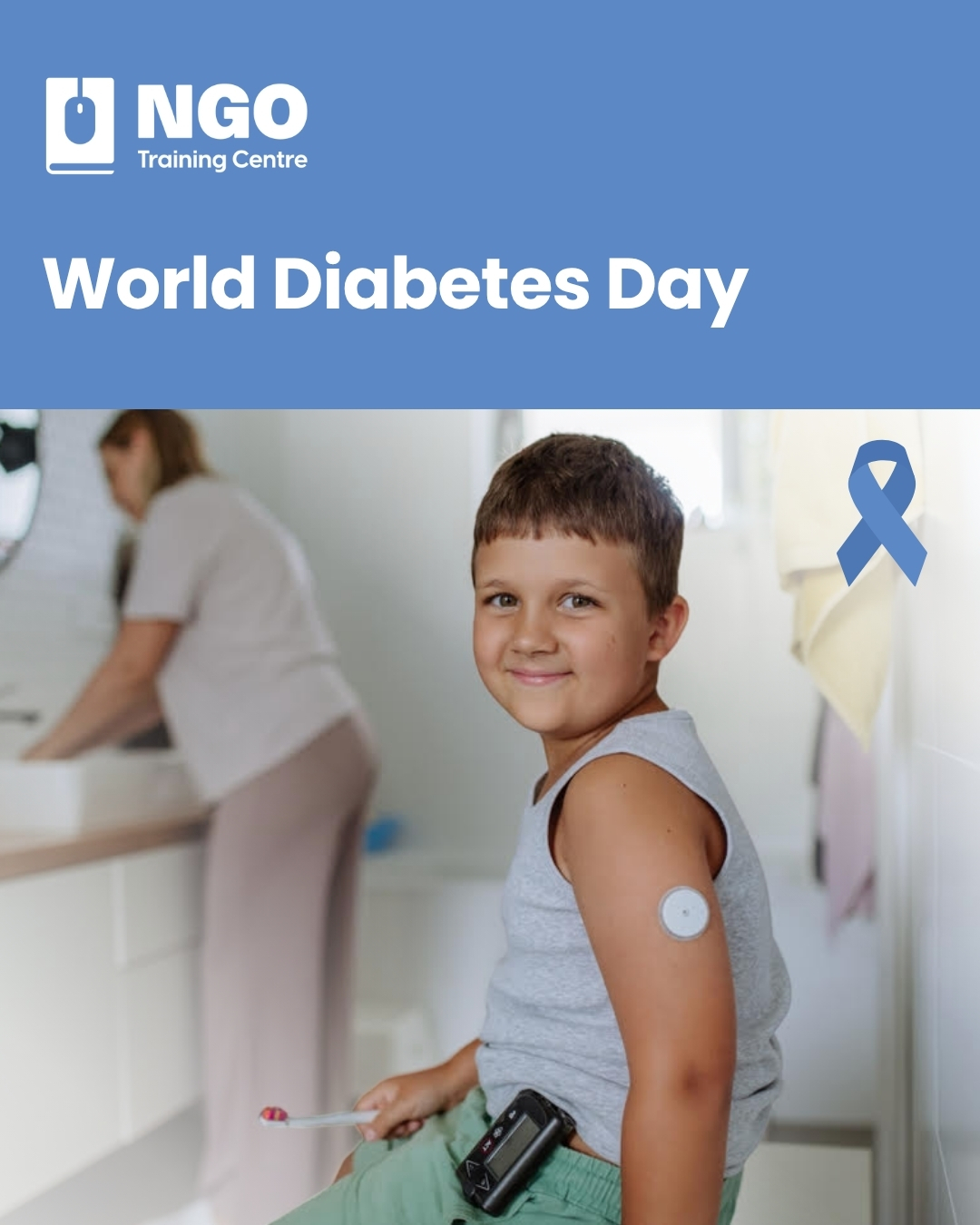
        • Diabetes Management – Keeping participants safe and healthy.
        • Epilepsy and Seizure Management – Responding with calm, professional expertise.
        • PEG Feeding – Mastering technical care with precision.
        • Complex Bowel Care – Ensuring dignity and safety.
        • Urinary Catheter Management – Reducing risks with best practices.
        • Ventilator Support & Tracheostomy Support – Handling critical equipment.
        • Wound Care and Pressure Injury Management – Promoting healing and comfort.

        These pathways align with NDIS Practice Standards, ensuring your team delivers safe, person-centred care every time.

        Engagement Hack: Create a “Complex Care Champions” leaderboard to recognise staff who complete these courses. A little friendly competition goes a long way!

        Workplace Health and Safety: Everyone’s Responsibility

        A safe workplace is a happy workplace, and our Work Health and Safety Pathway covers all the bases to protect staff and participants alike. Key courses include:

        • Keeping Safe at Work (Parts 1 & 2) – Practical safety strategies.
        • Self-Care for Disability Support Professionals – Avoiding burnout with balance.
        • Manual Handling (Parts 1 & 2) – Moving safely to prevent injuries.
        • Waste Management – Keeping environments clean and compliant.
        • Workplace Fire Safety and Prevention – Being prepared for emergencies.
        • Bullying and Harassment – Fostering respect and inclusion.
        • COVID-19 and Disability Services – Staying vigilant in changing times.
        • PPE & Hand Hygiene – Mastering infection control.

        Quick Win: To reinforce these lessons, run a safety-themed quiz lunch. It’s a lighthearted way to ensure retention and team bonding!

        Leadership and Management: Inspiring Excellence

        Great teams need great leaders, and our Leadership Excellence Program is designed to up-skill your managers with courses like:

        • Goal Setting and Successful Implementation – Turning vision into action.
        • Leadership Foundations (Parts 1 & 2) – Building trust and influence.
        • Effective Time Management – Juggling priorities with ease.
        • Emotional Intelligence – Leading with empathy and insight.
        • Managing Difficult Conversations – Tackling challenges head-on.
        • Employee Engagement – Inspiring your team to shine.
        • Managing Change – Navigating transitions smoothly.
        • Coaching Skills (Parts 1 & 2) – Unlocking your team’s potential.

        For disability-specific leadership, our Specialist Leadership Courses cover:

        • Introduction to Disability Support Management – Sector-specific strategies.
        • Recruitment and Retention – Building a stellar team.
        • Operational & Financial Excellence – Driving efficiency and impact.
        • Succession Planning and Knowledge Storing – Future-proofing your organisation.

        Leadership Boost: Encourage managers to share one actionable takeaway from each course in team meetings. It sparks collaboration and keeps the learning alive.

        Make Learning Fun with Ally, Our Chatbot Expert!

        Feeling inspired but not sure where to start? Meet Ally, our friendly chatbot at the bottom right of every page on the NGO Training Centre website. She’s an expert at curating the perfect mix of courses to match your team’s needs and goals. Whether you’re building a custom pathway or exploring options, Ally makes the process engaging and stress-free. Give her a try—you’ll be amazed at how easy planning can be!

        Why Choose the NGO Training Centre?

        Our courses aren’t just about ticking boxes, they’re about transforming teams and enriching lives. From ensuring NDIS compliance to cultivating compassionate, skilled support, our pathways are designed to deliver immediate impact. Plus, we make learning accessible, engaging, and even fun!

        If you’re ready to explore these ideas and others, I’d love to set you up with a free trial of our courses or a personalised demo of our platform. Just reach out, and I’ll ensure you have a seamless, enjoyable experience.

        Let’s work together to upskill your team, empower your leaders, and deliver the highest-quality care to NDIS participants. Contact me today, and let’s get talking!


        Written by Matthew CrawfordPGCert(Bus)

        Matt has over a decade of experience in B2B sales and business development and with a passion for human services, is deeply committed to driving meaningful solutions within the disability sector. His commitment to improving service quality and his deep understanding of client needs make him a trusted partner in advancing the capabilities of organisations that support people with disability across Australia

        NGO Training Center Online NDIS learning
        Trigger Sidebar Cart0
        ×
        Your cart is empty. Return Home