
Meta Pixel


Meet Our Subject Matter Experts

Hayley Assaf

Hayley Assaf is one of our exceptional Subject Matter Experts (SMEs) at the NGO Training Centre, whose expertise in NDIS and clinical care is transforming disability support!

Hayley is a highly experienced Registered Nurse, NDIS Consultant, and NDIS Lead Auditor who has been a cornerstone of our team since the beginning.

She’s the brilliant mind behind most of our clinical and complex care courses, designed to arm disability service providers with practical, high-quality, and fully compliant training. With over 500 high-intensity support audits under her belt, Hayley blends her medical expertise with in-depth NDIS knowledge in each and every one of our courses.

Beyond her work with us, Hayley is the Managing Director and Principal Consultant of COMPASSION8, NDIS & Healthcare Clinical Compliance Experts, where she is dedicated to ensuring providers meet the highest standards of care and compliance.

What sets Hayley apart?

Hayley is passionate about making complex NDIS processes clear and actionable, with extraordinary attention to detail. Her special interest lies in educating and equipping disability service providers to implement high-intensity supports with confidence and precision.

We sincerely thank Hayley for her brilliant work in helping us transform training in the Australian disability sector!

Learn more about all our brilliant Subject Matter Experts on our About Us page.


In one of our recent webinars (see below), our Onboarding Manager Chris explained the efficient and effective processes for adding various types of competency-based practical assessments to the NGO Training Centre Learning Management System.

This functionality gives trainers a unique and user-friendly means of adding one or more practical training components to the existing online courses provided by NGO Training Centre, all within the one Learning Management System.

In just a few minutes, Chris gave step-by-step walkthroughs of several easy processes to add both single assessments and groups of assessments to your organisation’s LMS.

This exceptional capability gives trainers a high level of control and customisation over their courses that is not available on many alternative Learning Management Systems, and one of many reasons our customers love our LMS.  

Webinar Highlights

🖥️ Webinar Introduction: Chris introduces the session’s focus on Competency-Based Practical Assessment.

📚 Theory vs. Practical: Emphasis on the necessity of combining theoretical knowledge with practical skills for effective learning.

🛠️ Three Levels of Implementation: Training structured into three levels: basic document submissions, course creation for practical sign-offs, and advanced instructor-led training.

📝 Document Uploading: Instructions on adding practical assessment documents and enabling learners to submit completed work.

📅 Instructor-Led Training: Introduction to setting up calendars and managing registration for practical sessions.

👩‍🏫 User Permissions: Importance of user roles (admin vs instructor) for accessing and modifying course content effectively.

❓ Q&A Engagement: Encouragement for participants to ask questions, fostering a collaborative training environment.

Key Insights for Trainers

 ✅ Integrated Learning Model: The competency-based model effectively bridges the gap between theoretical knowledge and practical application, ensuring workers are well-prepared for real-world scenarios. This dual approach addresses both knowledge retention and skill acquisition.

🗂️ Course Structuring: Dividing assessments into levels allows for tailored approaches depending on the needs of learners. Simplifying tasks into incremental levels promotes better understanding and manageable learning experiences.

📃 Documentation Handling: The training session provided practical guidance on using document uploads for assessments, simplifying record-keeping and fostering accountability among learners regarding their progress.

🙋‍♂️ User Empowerment: Equipping attendees with the knowledge to modify user permissions enables them to manage course dynamics effectively, enhancing user engagement through appropriate access to course materials.

🎓 Mass Enrolments in Group Settings: The ability to create groups with multiple courses needing practical sign-offs streamlines administration, optimising the time administratively required to manage learners and their assessments.

🔄 Flexible Assessment Approaches: Offering varied methods for submitting assessments ensures that all learners can engage with the course material in a manner that suits their needs and circumstances.

💬 Feedback and Improvements: Feedback mechanisms, such as surveys post-assessment, enable continuous improvement of training programs and help fine-tune the delivery method and content based on participant experiences.

Watch the webinar below to find out more about this brilliant feature, or contact our team for more information or to book a demonstration.

Play

GET IN TOUCH


    Clean Hands Save Lives!

    Each year on May 5, the World Health Organisation’s SAVE LIVES: Clean Your Hands campaign unites people worldwide to champion hand hygiene in healthcare.

    The 2025 theme, “It might be gloves. It’s always hand hygiene,” highlights proper hand hygiene to prevent healthcare-associated infections.

    Clean hands at the right time and protect participants and healthcare workers.

    So, how can you help?

    Here are some ways that you can get involved:

    • Learn the WHO 5 Moments for Hand Hygiene.
    • Take a Course: The NGO Training Centre offers an excellent Hand Hygiene Course to equip you with vital skills. Learn what hand hygiene is, how infections spread, and effective cleaning techniques using alcohol-based rubs or soap and water. The course also covers when to wash hands routinely and during patient support, including the WHO’s 5 key moments. Enrol now to make a difference!
    • Share Hand Hygiene resources and debunk glove use myths.
    • Join WHO’s webinar or host a community event.

    This May 5, commit to clean hands and inspire others. Whether you’re a Disability Support Professional, Aged care worker, student, or community member, your actions matter.

    Clean hands, safe care! Let’s make it happen!


    Federal Election 2025

    The Federal Election is scheduled for Saturday, 3rd May 2025. As disability service providers and workers, you play a vital role in ensuring NDIS participants and people with disability can exercise their right to vote. The Australian Electoral Commission (AEC) offers a variety of accessible resources to support participation in the voting process.

    Accessible Voting Resources

    The AEC provides resources tailored for people with disability, available in multiple formats to meet diverse needs:

    • Braille: For voters who are blind or have low vision.
    • DAISY: Digital accessible information system for audio navigation.
    • MP3 Audio: Audio files for auditory access.
    • Large Print: For voters with vision impairment.
    • E-Text: Electronic text compatible with screen readers.
    • Easy Read: Simplified language for better comprehension.
    • Social Story Format: Visual and narrative guides to explain the voting process.

    These resources ensure that people with disability can access information about voting, understand the process, and participate independently or with support. You can find these resources here: https://www.aec.gov.au/assistance/

    How You Can Help

    As a disability service provider or worker, you can support NDIS participants by:

    1. Sharing Information: Distribute the AEC’s resources to participants and their families. Direct them to the AEC’s dedicated page: Information for People with Disability – Australian Electoral Commission.
    2. Discussing Voting: Talk to participants about their voting rights and the importance of their voice in the election.
    3. Providing Support: Assist with accessing resources, understanding voting options (e.g., in-person, postal, or assisted voting), or arranging transport to polling places. A great tool call VOTE Compass may help to determine where their views align with a party: https://www.abc.net.au/news/vote-compass
    4. Promoting Inclusion: Encourage participants to engage in the democratic process and address any barriers they may face.

    Why It Matters

    Voting is a fundamental right, and ensuring accessibility empowers people with disability to have their say in shaping Australia’s future. By sharing these resources, you help foster inclusion and independence for NDIS participants.

    For more details, visit the AEC website or contact your local AEC office to learn about additional support available during the 2025 Federal Election.

    Let’s work together to make voting accessible for everyone!


    Written by Amanda Robinson, B.A., MMentalHealth Prac.

    Amanda is a professional with over a decade of dedicated experience in the fields of Mental Health and Disability. Her extensive expertise lies in navigating the intricate landscape of the Disability Sector. She brings a unique perspective to her work, being both a person with lived experience of disability and a compassionate carer. She has a passion for advocacy, making her a staunch champion for the rights and well-being of individuals facing similar challenges.


    In a world where skills gaps are growing, and the need for accessible professional development options is evolving faster than ever, staying ahead means investing in your team’s growth.

    According to The Hays 2025 Skills Report – Prepare For The Changing Face Of Skills, a staggering 91% of hiring managers cite skills scarcity as their top challenge.

    This underscores the need for proactive workforce planning and upskilling strategies for disability support organisations to deliver exceptional, NDIS-compliant care. At NGO Training Centre, we’re here to make that journey not just effective but enjoyable, too!

    Whether you’re an L&D leader, People and Culture professional, HR expert, or Training Manager, this article is packed with practical ideas to craft learning pathways that empower your team, boost compliance, and ensure NDIS participants receive the highest quality supports.

    Let’s dive into some fun, flexible, and professional training schedules tailored for your organisation.

    Onboarding with Impact: Setting New Staff Up for Success

    First impressions matter, especially for new disability support workers stepping into this rewarding yet complex field. A solid induction lays the foundation for confidence and competence. Our Disability Support Induction Pathway is a fantastic starting point, covering essentials like:

    • Introduction to Disability Support (Parts 1 & 2) – A warm welcome to the sector’s values and practices.
    • Person-Centred Active Support – Empowering participants to live their best lives.
    • Professional Boundaries – Navigating relationships with clarity and care.
    • Effective Progress Notes – Turning observations into meaningful and compliant records.
    • Communication & Teamwork – Building strong connections with colleagues and participants.
    • Sexuality and Relationships – Supporting choice and dignity with sensitivity.

    Pair this with our NDIS Key Requirements Pathway to ensure compliance from day one. Courses like NDIS Foundations, Duty of Care, Informed Choice & Dignity of Risk, Complaints and Reportable Incidents, and Medication Assistance and Management  equip staff with the knowledge to meet NDIS Practice Standards while fostering a culture of safety and respect.

    Pro Tip: Make onboarding fun! Encourage new staff to share their learnings in team huddles or gamify course completion with small rewards. A confident start sets the tone for long-term success.

    Mental Health and Neurodiversity: Building Empathy and Expertise

    Supporting individuals with psychosocial disabilities or neurodiverse needs requires specialised skills and a big dose of empathy. Our Mental Health and Positive Outcomes Pathway dives deep into understanding conditions like:

    • Autism – Understanding the spectrum, characteristics, and diagnosis to create tailored, participant-led support plans with effective communication strategies
    • Introduction to Mental Illness – Breaking down stigma with practical insights.
    • Schizophrenia (Parts 1 & 2) – Tailoring support for complex needs.
    • Bipolar Disorder – Navigating mood fluctuations with care.
    • Personality Disorder – Fostering trust and stability.

    For teams working with autistic individuals, our Autism course offers tailored strategies to create meaningful, participant-led support plans. Meanwhile, the Positive Behaviour Support Pathway (Parts 1–3) transforms how staff approach behaviour change, turning challenges into opportunities for growth.

    Don’t miss our Trauma, Recovery & Resilience Pathway, which equips teams to handle sensitive situations with courses like:

    • Stopping the Cycle of Shame – Creating safe, supportive environments.
    • Suicide Prevention – Lifesaving skills for critical moments.
    • Trauma-Informed Care – Responding with compassion and clarity.
    • Acquired Brain Injury (ABI) – Understanding neurological impacts.

    Fun Idea: Host a “Lunch & Learn” where staff share real-world applications of these courses. It’s a great way to spark discussion and celebrate their growth!

    Complex Care: Mastering High-Risk Supports

    For teams delivering higher-risk supports, specialised training is non-negotiable. Our Complex Care Pathways (Parts 1 & 2) build confidence and compliance with courses like:

    • Diabetes Management – Keeping participants safe and healthy.
    • Epilepsy and Seizure Management – Responding with calm, professional expertise.
    • PEG Feeding – Mastering technical care with precision.
    • Complex Bowel Care – Ensuring dignity and safety.
    • Urinary Catheter Management – Reducing risks with best practices.
    • Ventilator Support & Tracheostomy Support – Handling critical equipment.
    • Wound Care and Pressure Injury Management – Promoting healing and comfort.

    These pathways align with NDIS Practice Standards, ensuring your team delivers safe, person-centred care every time.

    Engagement Hack: Create a “Complex Care Champions” leaderboard to recognise staff who complete these courses. A little friendly competition goes a long way!

    Workplace Health and Safety: Everyone’s Responsibility

    A safe workplace is a happy workplace, and our Work Health and Safety Pathway covers all the bases to protect staff and participants alike. Key courses include:

    • Keeping Safe at Work (Parts 1 & 2) – Practical safety strategies.
    • Self-Care for Disability Support Professionals – Avoiding burnout with balance.
    • Manual Handling (Parts 1 & 2) – Moving safely to prevent injuries.
    • Waste Management – Keeping environments clean and compliant.
    • Workplace Fire Safety and Prevention – Being prepared for emergencies.
    • Bullying and Harassment – Fostering respect and inclusion.
    • COVID-19 and Disability Services – Staying vigilant in changing times.
    • PPE & Hand Hygiene – Mastering infection control.

    Quick Win: To reinforce these lessons, run a safety-themed quiz lunch. It’s a lighthearted way to ensure retention and team bonding!

    Leadership and Management: Inspiring Excellence

    Great teams need great leaders, and our Leadership Excellence Program is designed to up-skill your managers with courses like:

    • Goal Setting and Successful Implementation – Turning vision into action.
    • Leadership Foundations (Parts 1 & 2) – Building trust and influence.
    • Effective Time Management – Juggling priorities with ease.
    • Emotional Intelligence – Leading with empathy and insight.
    • Managing Difficult Conversations – Tackling challenges head-on.
    • Employee Engagement – Inspiring your team to shine.
    • Managing Change – Navigating transitions smoothly.
    • Coaching Skills (Parts 1 & 2) – Unlocking your team’s potential.

    For disability-specific leadership, our Specialist Leadership Courses cover:

    • Introduction to Disability Support Management – Sector-specific strategies.
    • Recruitment and Retention – Building a stellar team.
    • Operational & Financial Excellence – Driving efficiency and impact.
    • Succession Planning and Knowledge Storing – Future-proofing your organisation.

    Leadership Boost: Encourage managers to share one actionable takeaway from each course in team meetings. It sparks collaboration and keeps the learning alive.

    Make Learning Fun with Ally, Our Chatbot Expert!

    Feeling inspired but not sure where to start? Meet Ally, our friendly chatbot at the bottom right of every page on the NGO Training Centre website. She’s an expert at curating the perfect mix of courses to match your team’s needs and goals. Whether you’re building a custom pathway or exploring options, Ally makes the process engaging and stress-free. Give her a try—you’ll be amazed at how easy planning can be!

    Why Choose the NGO Training Centre?

    Our courses aren’t just about ticking boxes, they’re about transforming teams and enriching lives. From ensuring NDIS compliance to cultivating compassionate, skilled support, our pathways are designed to deliver immediate impact. Plus, we make learning accessible, engaging, and even fun!

    If you’re ready to explore these ideas and others, I’d love to set you up with a free trial of our courses or a personalised demo of our platform. Just reach out, and I’ll ensure you have a seamless, enjoyable experience.

    Let’s work together to upskill your team, empower your leaders, and deliver the highest-quality care to NDIS participants. Contact me today, and let’s get talking!


    Written by Matthew CrawfordPGCert(Bus)

    Matt has over a decade of experience in B2B sales and business development and with a passion for human services, is deeply committed to driving meaningful solutions within the disability sector. His commitment to improving service quality and his deep understanding of client needs make him a trusted partner in advancing the capabilities of organisations that support people with disability across Australia


    New Supported Decision-Making Hub Launched!

    Inclusion Australia, in partnership with the National Disability Insurance Agency (NDIA) and the Department of Social Services (DSS), has unveiled a new online resource, the Supported Decision-Making Hub.

    This dedicated website serves as a comprehensive platform for providers, offering tools and information to support individuals in making informed decisions about their lives.

    The Supported Decision-Making Hub is designed to empower people with disabilities by providing resources that facilitate decision-making in key areas such as NDIS planning, employment, health, and accommodation.

    The content is organised across 12 distinct categories and equips providers with accessible guidance to help individuals take greater control over their goals and supports.

    Supported decision-making focuses on assisting people to make choices that align with their aspirations, ensuring they have a stronger voice in matters that matter most to them.

    A short introductory video, “Introducing the Supported Decision-Making Hub,” is available here: https://youtu.be/cRsaFTPfigk

    This video shows how participants, their families, carers and providers can navigate and use the Hub’s resources effectively. It ensures the importance of everyone’s right to make decisions about their own lives and highlights efforts to make the NDIS more user-friendly.

    We encourage you to explore the Hub and stay updated by subscribing to Inclusion Australia’s monthly email newsletter for the latest news and developments.

    For more information, visit the Supported Decision-Making Hub today at https://www.disabilitygateway.gov.au/sdmhub

    Written by Amanda Robinson, B.A., MMentalHealth Prac.

    Amanda is a professional with over a decade of dedicated experience in the fields of Mental Health and Disability. Her extensive expertise lies in navigating the intricate landscape of the Disability Sector. She brings a unique perspective to her work, being both a person with lived experience of disability and a compassionate carer. She has a passion for advocacy, making her a staunch champion for the rights and well-being of individuals facing similar challenges.


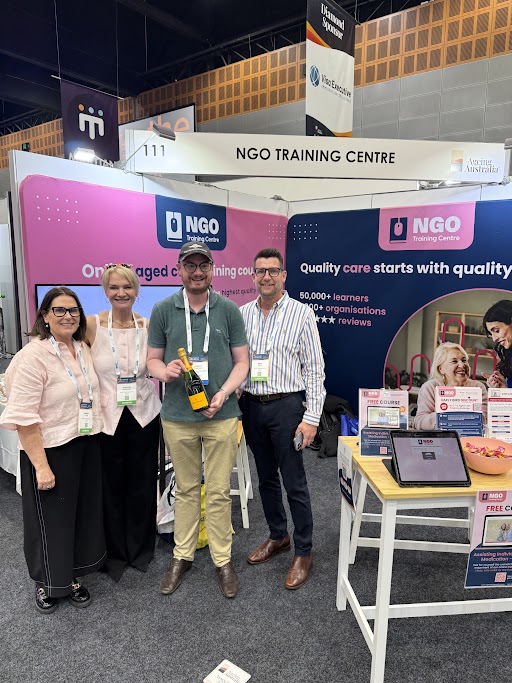
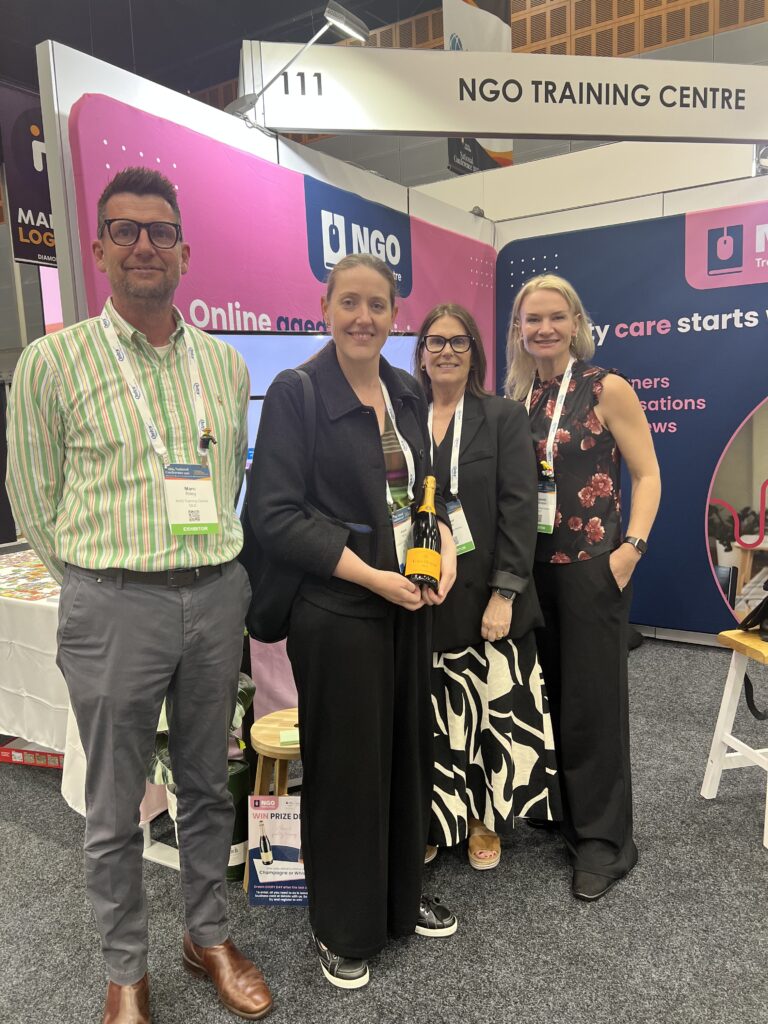
    Last week, Matt, our passionate Customer Relationship Manager, had the privilege of attending One Community’s Ready, Set, Connect networking event at Southport RSL on behalf of the team at the NGO Training Centre.
    What an incredible morning it was! This fast-paced, dynamic session brought together some of the brightest minds and biggest names in disability services across the Gold Coast and Southeast Queensland. 

    From national leaders in Supported Independent Living (SIL) and Specialist Disability Accommodation (SDA) to experts in support coordination, disability support, and participant training and employment, like the inspiring folks at Endeavour Foundation, it was a powerhouse gathering of purpose-driven organisations.

    The event’s format was a standout: a speed-dating-style setup with 27 tables, each hosted by a provider. Every five minutes, a bell rang, and delegates rotated, swapping business cards, flyers, and even some swag. 

    It was energetic, efficient, and brilliantly organised. Matt left with a hefty stack of new contacts and had the chance to share our NGO Training Centre course list and flyer, complete with a QR code for a free trial of our courses. The response was fantastic, and people were genuinely excited to learn more about what we offer.

    The momentum didn’t stop there. After the rotations, while the room was still buzzing, Matt had the opportunity to take the stage for a quick five-minute pitch. With the mic in hand, Matt highlighted our training services, our cutting-edge Learning Management System (LMS), and the real benefits our courses bring to organisations and their teams. Matt encouraged everyone to scan the QR code on our flyer and sign up for a free trial—because there’s no better way to understand our value than experiencing it firsthand. To sweeten the deal, he also handed out a $50 VISA voucher as a lucky door prize, complete with a giant novelty check for a bit of fun.

    The team at One Community, led by Adam and Jess, made the day even more memorable with their warm hospitality. Afterwards, they gave us a fantastic shoutout and expressed how much they’d love to see NGO Training Centre at future events. That kind of encouragement means the world to us and it’s a testament to the power of collaboration and shared goals in this sector.

    Days like these remind us why we love what we do. It’s not just about networking; it’s about building meaningful connections with organisations that are transforming lives.

    We’re already looking forward to the next opportunity to engage, inspire, and grow alongside this incredible community. A huge thank you to One Community for hosting such a productive and enjoyable event! 

    In the words of Van Morrison…here’s to more ‘days like this!’

    Written by Amanda Robinson, B.A., MMentalHealth Prac.

    Amanda is a professional with over a decade of dedicated experience in the fields of Mental Health and Disability. Her extensive expertise lies in navigating the intricate landscape of the Disability Sector. She brings a unique perspective to her work, being both a person with lived experience of disability and a compassionate carer. She has a passion for advocacy, making her a staunch champion for the rights and well-being of individuals facing similar challenges.

    In the Disability sector, ensuring the safety, well-being, and dignity of participants is at the heart of everything we do. For Disability Support Professionals (DSPs), one of the most critical responsibilities is assisting participants with medication, a task that demands precision, knowledge, and a deep commitment to person-centered care. At the NGO Training Centre, we’re proud to offer our comprehensive “Assisting Participants with Medication – Part 1 and 2” courses, designed to equip DSPs with the skills and confidence they need to excel in this vital area.

    Why Medication Assistance Matters

    Medication is often a cornerstone of health management for individuals with disability, helping to maintain stability, alleviate symptoms, and enhance quality of life. However, when administered incorrectly or without proper oversight, it can pose significant risks, ranging from adverse reactions to reduced treatment efficacy. For DSPs, the ability to support participants with their medication isn’t just a technical skill; it’s the basis of trust, safety, and compliance with frameworks like the National Disability Insurance Scheme (NDIS) Practice Standards.

    Our two-part course series and accompanying administering medication short courses addresses these challenges head-on, providing practical, NDIS-compliant training that prioritises participant care while fostering professional excellence. Whether you’re a seasoned support worker or new to the field, these courses offer invaluable tools to enhance your practice and make a meaningful difference in the lives of those you support.

    Part 1: Building the Foundation

    “Assisting Participants with Medication – Part 1” lays the groundwork for safe and effective medication support. This course dives into the essentials: understanding what medication is, exploring different types, and recognising the importance of regular medication reviews. DSPs learn their specific roles and obligations, ensuring they operate within their scope of practice while adhering to legal and ethical standards.

    A key focus is on Dose Administration Aids (DAAs), also known as “blister packs” or “Webster Packs” which are tools that simplify medication management for participants and identifying common risks, such as incorrect dosages or missed schedules. By the end of Part 1, DSPs gain a clear understanding of how to mitigate these risks, ensuring that safety and well-being remain paramount. This foundational knowledge allows DSPs to approach medication assistance with confidence, fostering trust with participants and their families.

    Part 2: Advancing Skills for Comprehensive Care

    Building on this foundation, “Assisting Participants with Medication – Part 2” takes a deeper dive into advanced techniques and real-world applications. This course explores the nuances of medication administration, including how to support participants with complex needs, monitor for side effects, and respond to incidents or emergencies. DSPs also learn to navigate the documentation process which is a critical aspect of compliance that ensures continuity of care and accountability.

    Part 2 emphasises the human element of medication assistance. It’s not just about following protocols; it’s about understanding the participant’s unique needs, preferences, and goals. By honing these skills, DSPs can provide truly person-centered support that respects dignity and promotes autonomy, all while meeting the rigorous standards of the NDIS Quality and Safeguards Framework.

    The Bigger Picture: Care, Compliance, and Confidence

    The importance of this training extends beyond individual tasks. It’s about building a culture of excellence in the disability sector. Properly trained DSPs are better equipped to prevent medication errors, reduce health risks, and enhance participant outcomes. This not only aligns with NDIS compliance requirements but also strengthens the trust that participants and their families place in support services.

    At the NGO Training Centre, we believe that education is the key to unlocking brighter futures for both DSPs and the people they support. Our courses are created by industry experts, regularly updated to reflect best practices, and delivered through an accessible, user-friendly platform. With a focus on practical, competency-based learning, “Assisting Participants with Medication – Part 1 and 2” ensures that DSPs can apply what they learn directly to their daily work.

    Join Us in Making a Difference

    As the disability sector continues to grow, so does the demand for skilled, compassionate professionals who can deliver high-quality care. Whether you’re an individual looking to upskill or an organisation seeking to empower your team, the NGO Training Centre is here to support you.

    Our mission is simple yet powerful: to inspire, teach, and empower the disability workforce to create bigger, brighter futures.

    Ready to take your medication assistance skills to the next level? Visit ngotrainingcentre.com email [email protected] or call 1300 990 995 to explore our “Assisting Participants with Medication” courses and our short medication courses and discover how you can enhance participant care while staying compliant with industry standards.

    Let’s work together to ensure that every participant receives the safe, dignified, and effective support they deserve.


    Written by Amanda Robinson, B.A., MMentalHealth Prac.


    Amanda is a professional with over a decade of dedicated
    experience in the fields of Mental Health and Disability. Her extensive
    expertise lies in navigating the intricate landscape of the Disability Sector.
    She brings a unique perspective to her work, being both a person with lived
    experience of disability and a compassionate carer. She has a passion for
    advocacy, making her a staunch champion for the rights and well-being of
    individuals facing similar challenges.

    ASSISTING PARTICIPANTS WITH MEDICATION BUNDLE - Disability Support Worker Training
    MINI MEDICATION BUNDLE
    Medication Assistance & Management


    International Women’s Day 2025: Championing Australian Women and Gender-Diverse People with Disability

    This Saturday, March 8, 2025, the NGO Training Centre joins the world in celebrating International Women’s Day, a powerful call to unite our voices and declare: “Women’s rights are human rights!”

    The 2025 United Nations theme, “For ALL women and girls: Rights. Equality. Empowerment,” speaks directly to our diverse communities. It’s a call to embrace every facet of identity; faith, race, ethnicity, gender identity, sexual orientation, and disability, and to honour the contributions of those who’ve shaped our past, stand with us today, and will lead us into the future.

    For Australian women and gender-diverse people with disabilities, the journey toward equality is marked by unique challenges and triumphs. Over 4 million Australians live with a disability, and women and gender-diverse individuals within this group often face compounded barriers, whether it’s inaccessible workplaces, higher rates of poverty, or societal attitudes that underestimate their potential.

    Yet, their impact is undeniable, from the outback to our cities, in boardrooms, arts, and advocacy.

    Think of icons like Stella Young, the late comedian and disability advocate whose sharp wit and TEDx talk “I’m not your inspiration, thank you very much” challenged stereotypes nationwide. Or consider Carly Findlay OAM , a writer and speaker, who uses her platform to advocate for disability pride and inclusion. These voices remind us that empowerment isn’t about pity—it’s about equity.

    International Women’s Day 2025 comes just before the United Nations’ 69th Commission on the Status of Women, which will review the Beijing Declaration and Platform for Action – milestones Australia has committed to advancing.

    As a nation, we must ask: Are we truly delivering rights, equality, and empowerment for women and gender-diverse people with disabilities? The stats tell a sobering story – women with disability are twice as likely to experience violence than those without, and employment rates for people with disabilities remain stubbornly low at 48% compared to 80% for those without disabilities (ABS, 2022).

    Yet, there’s progress to celebrate. Initiatives like the National Disability Insurance Scheme (NDIS) have opened doors to greater independence, while grassroots efforts, like Women With Disabilities Australia (WWDA) and Women with Disabilities Victoria amplify lived experiences to shape policy. Gender-diverse advocates, such as Transfolk of WA , are also pushing for inclusion that reflects the full spectrum of identity.

    From Paralympic stars like Madison de Rozario , who’s dominated the track and inspired a generation, to First Nations advocates like Gayle Rankine, who bridged disability and cultural leadership, Australian women and gender-diverse people with disabilities are rewriting the narrative.

    In the arts, the Accessible Arts Network supports creators who challenge norms, while in tech, innovators are designing solutions with disability in mind, think Sydney-based Canva’s accessibility features.

    These achievements aren’t just personal wins—they’re a national strength. They show that when we invest in diversity, we all thrive.

    Celebration is vital, but International Women’s Day 2025 is also a call to act.

    Employers, let’s make workplaces accessible. Ramps and screen readers are a good start, but true inclusion means flexible work and fair opportunities.

    Policymakers, let’s fund programs like the Disability Royal Commission recommendations to tackle systemic gaps. And all of us, let’s amplify these voices, share their stories, hire their talent, and listen to their expertise.

    In Australia, we pride ourselves on a fair go. Let’s extend that ethos to women and gender-diverse people with disabilities – not just on March 8, but year-round.

    Support local orgs like WWDA or the Australian Disability Network. Mentor a young leader with disability. Advocate for a National Gender Equality Strategy that explicitly includes them.

    As we mark International Women’s Day 2025, let’s honor the trailblazers, stand with today’s changemakers, and pave the way for tomorrow’s leaders.

    In the spirit of mateship and fairness, let’s build an Australia where every woman and gender-diverse person with disability has their rights upheld, their equality assured, and their empowerment celebrated.

    From all of us at the NGO Training Centre, Happy International Women’s Day, Australia!!

    Let’s make it a fair go for all!

    Want to learn more and explore some great resources? Visit: https://iwda.org.au/resources/

    Written by Amanda Robinson, B.A., MMentalHealth Prac.

    Amanda is a professional with over a decade of dedicated experience in the fields of Mental Health and Disability. Her extensive expertise lies in navigating the intricate landscape of the Disability Sector. She brings a unique perspective to her work, being both a person with lived experience of disability and a compassionate carer. She has a passion for advocacy, making her a staunch champion for the rights and well-being of individuals facing similar challenges.


    At the heart of every successful NDIS service is one crucial element: safety. But not just for participants—workers need protection too! 

    That’s why the NDIS Commission has just launched an amazing new online resource dedicated to reducing violence against workers. And trust us, this is a game-changer.

    This resource is packed with up-to-date info and easy-to-navigate links to national, state, and territory resources designed to keep your team safe while they’re on the job. Developed in consultation with Unions, providers, and Work, Health, and Safety experts, it’s the ultimate toolkit for understanding and managing risks associated with worker violence in the disability sector.

    Why should you care?

    Because worker safety = better care. When your staff feels secure and supported, they can focus on what matters most: delivering the best possible care for NDIS participants. And that’s a win for everyone!

    Take a moment to explore this important info and pass it on to any workers you employ. Whether you’re a small provider or a large organisation, we all play a role in creating a safer, more supportive environment.

    So, what are you waiting for? Let’s work together to keep everyone safe, happy, and productive. 

    Check out the full resource here: Violence Against Workers | NDIS Quality and Safeguards Commission.

    Safety doesn’t just happen. Let’s make it happen—together! 💪

    Looking for training for you and your staff? Look no further!

    The NGO Training Centre offers incredible training solutions for your business.

    Our Work Health and Safety Pathway has been designed to keep you and your participant safe, both physically and physiologically.

    This pathway focuses on a wide variety of important safety topics. All of the courses are written specifically for Australian Disability Support Organisations and are highly relevant to Disability Support work. Each risk is broken into small digestible and easily distinguishable stages, equipping the learner with the knowledge that will help reduce and remove risk areas and ultimately create a safer workplace environment.

    In this pathway, you will learn how to keep safe when entering people’s homes, how to avoid trips and slips and other hazardous situations, the different manual handling techniques with step by step instructions on how to use different equipment safely, how to dispose of hazardous waste, the importance of infection control and hygiene, how to use PPE in your role as a Disability Support Professional, how to detect, prevent and put out a fire in the workplace and how bullying and harassment can be identified and prevented.

    Call us today on 1300 990 995 or email [email protected] to find out more!

    NGO Training Center Online NDIS learning
    Trigger Sidebar Cart0
    ×
    Your cart is empty. Return Home