
Every year on 18 August, we celebrate Never Give Up Day, a global event about determination, resilience, and the perseverance it takes to keep going when things are hard.
It holds real meaning in the disability community, where determination isn’t just a slogan. It’s a daily practice. This year we want to recognise two groups whose resilience often goes unseen.
People with disability, and the carers who walk alongside them.
It’s there every day. It could be learning a new skill, adapting to a change in support staff, or managing a condition that asks something different each day. For carers, it shows the commitment of showing up again and again without complaints. This work is skilled, and it is often invisible, much like many disabilities. It deserves to be named and honoured.
People with disability are too often seen as inspirational just for living their lives, and that drives real people into feel-good stories. Real empowerment is different and it puts people with disability in charge of their own goals and their own definition of success, and it values self-advocacy over sympathy. Sometimes the strongest way to never give up is to speak up: to voice your needs, push back against bureaucratic systems that weren’t built for you, and keep asking for equity.
Recognising resilience is only half the picture. The other half is supporting people well. Good support is person-centred and strength-based. It starts with the person’s own goals and builds on what they can do, rather than doing things for them. It creates autonomy and self-determination.
In practice that means listening first, following their lead, and offering just enough support at the right moment so people can do more for themselves. It also means keeping people safe while respecting their right to make their own choices, including the dignity of taking informed risks. We’ve heard the NDIS overuse the term ‘choice and control ’ – just words, but putting those words into practice is a whole other story.
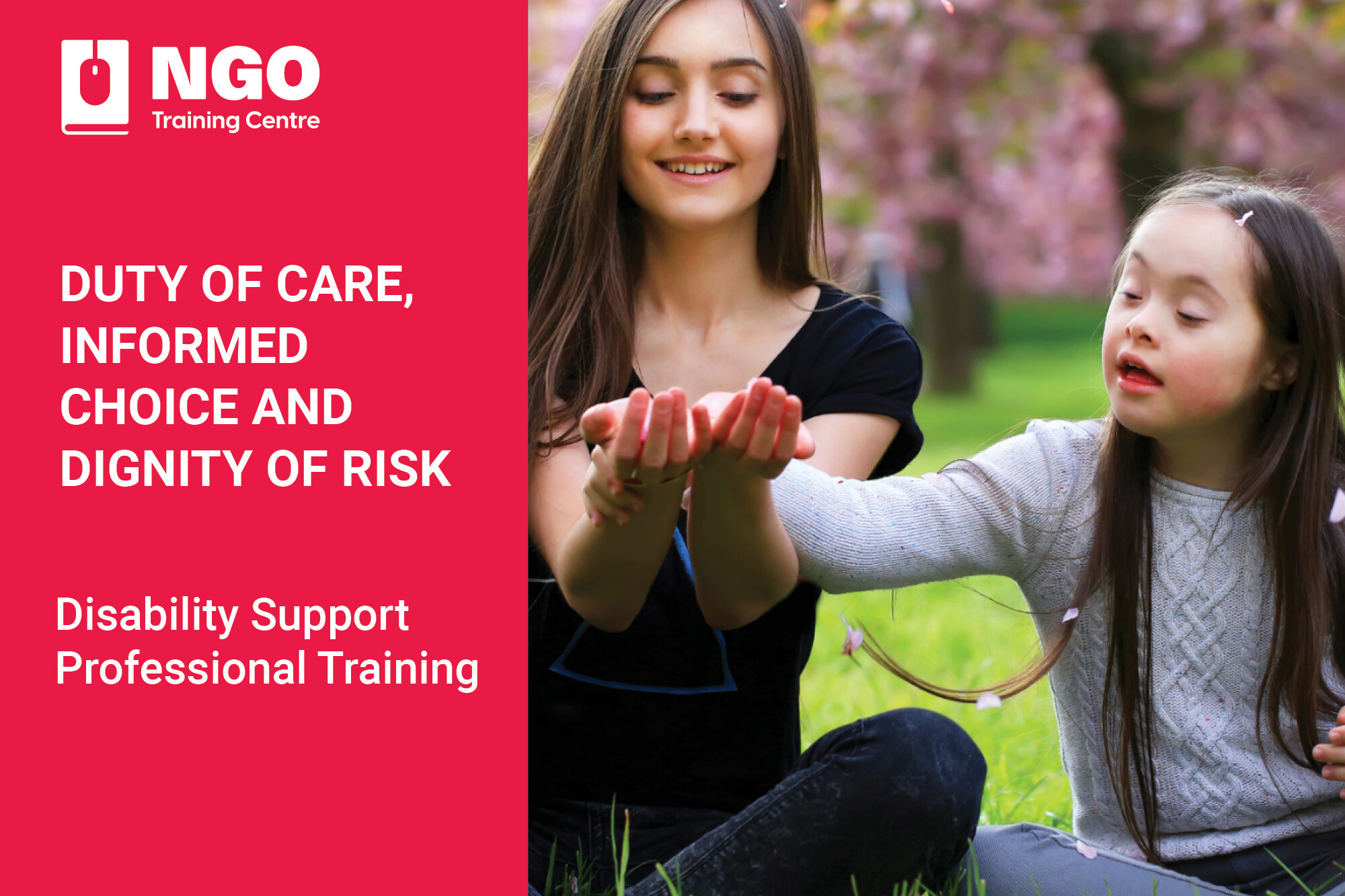
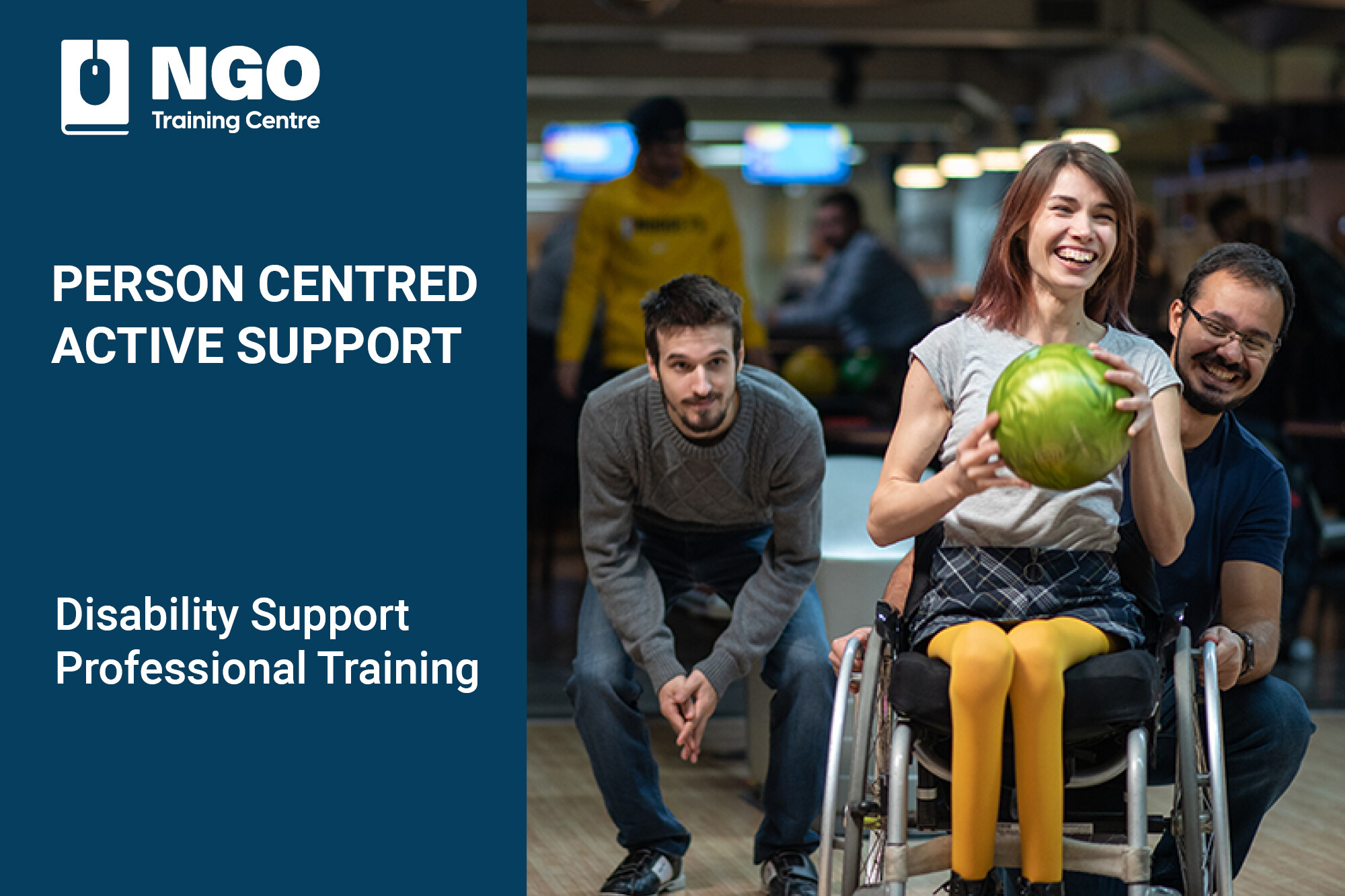
If you or your team want to strengthen your practice, be authentic in your care and support, then NGO Training Centre can help. Our Duty of Care course covers your responsibilities and how to meet them without becoming overprotective. Informed Choice and Dignity of Risk looks at supporting people to make their own decisions and take positive risks. And Person-Centred Active Support builds the everyday skills that turn good intentions into real participation.
To everyone with disability who keeps navigating a world that doesn’t always make room for you, and to every carer who shows up with determination and true heart, we see you, and we’re honoured to walk alongside you.
Here are some ways you can celebrate today:
🎉 Celebrate a Journey
Every achievement has a story. This is the day to share yours and those you support. Have you supported a participant or carer that just never gives up? Walk alongside them to help them share their story to the world!
💌 Share a Meaningful Message
“I’ll never give up on you.”
“Thank you for never giving up on me.”
🚶 Join the Walk of Perseverance
Walk for the people, dreams, and causes you refuse to give up on. We are walking in Bendigo VIC as the NGO Training Centre. If you are local or want to do your own at the same time, join us and TAG us in your walk! Visit our walk here to join:
🤝 Bring Your Mission to Life
Organisations, schools, charities, businesses, and communities come together to support people to keep going.
–
Author: Amanda Robinson (She/Her) BA, MMHealthPrac.
Dja Dja Wurrung and Taungurung Country
Amanda, Head of Learning and Development and an experienced specialist in NDIS and Aged Care, promotes capability and sustainability within the disability and health sectors. With over 15 years of experience, a Master’s in Mental Health Leadership and Management, and an MBA underway, she offers extensive expertise and personal insight as someone with lived experience of disability. A military veteran and dedicated carer of a veteran, Amanda advocates for Human Rights, striving to reduce stigma and eliminate barriers for those with disability and mental health challenges. She is enthusiastic about fostering strong stakeholder relationships through her advocacy, communication, strategic thinking, and analytical abilities.