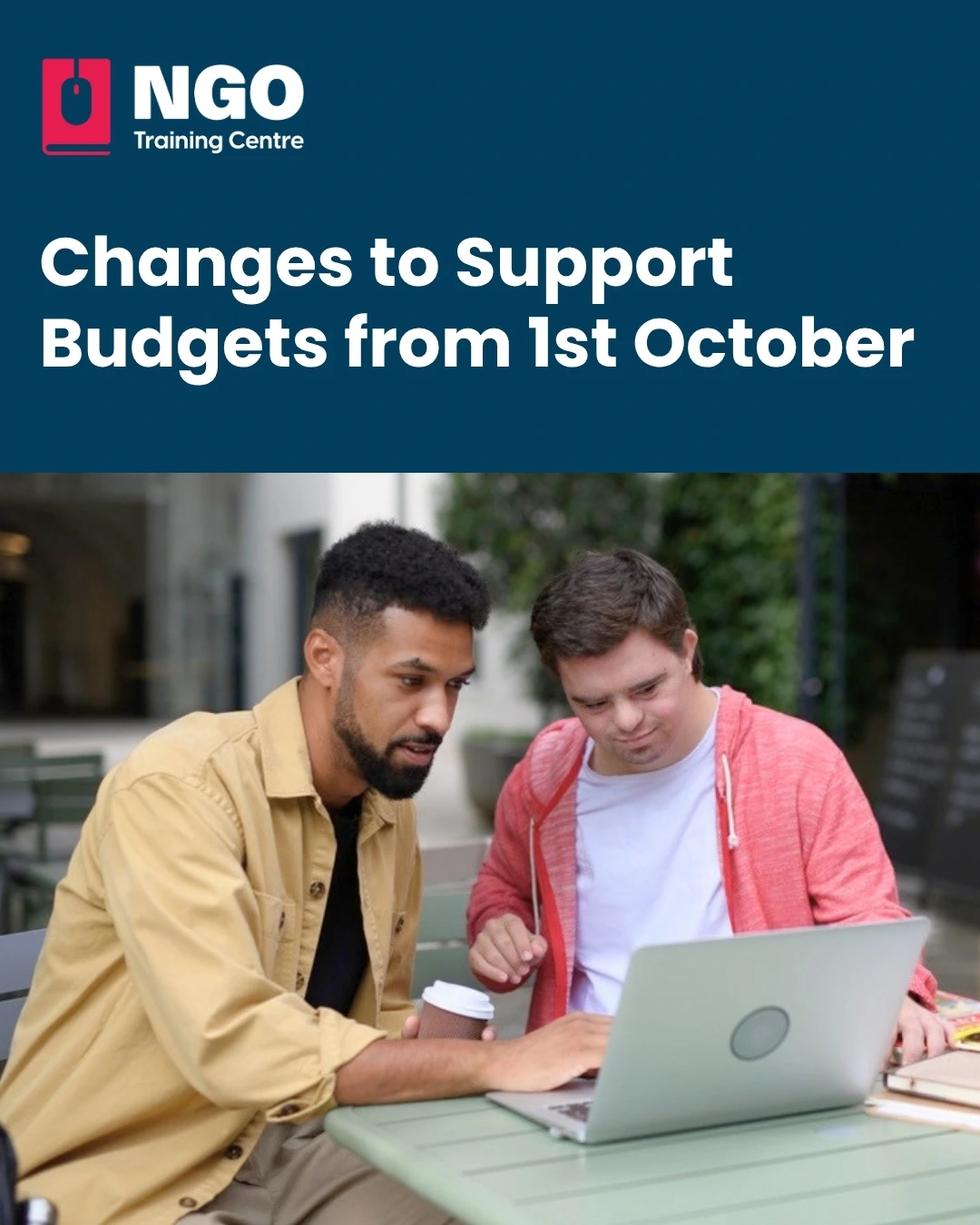
From 1 October 2026, the NDIA will begin reducing participant budgets in two support categories under the new NDIS laws.
These changes are:
- Social, Economic and Community Participation, and
- Improved Daily Living Skills.
Reductions apply as plans are created or reassessed from 1 October 2026, or renewed from 1 February 2027. Over the next 12 months, the change will roll through your participant base plan by plan. Some of the participants you support will feel it next month. Others won’t feel it until well into next year.
The NDIA has been clear that the impact will differ for every participant, because every plan is built on individual goals, circumstances and support needs. No flat percentage will let you forecast the effect. You’ll learn it one plan at a time.
What’s protected?
Some supports within these two categories won’t be affected. These include employment supports, disability-related health supports, high intensity supports, and intensive and complex behaviour supports.
Outside these categories, the NDIA has confirmed other parts of participant plans won’t change. That includes essential day-to-day supports like help with eating, drinking, dressing, toileting, laundry and cleaning, as well as nurse care, medication support, home and vehicle modifications, personal mobility equipment and specialist disability accommodation (SDA).
The NDIA has said a full list of unaffected supports will be published shortly. Until it is, treat anything outside the confirmed list with care and avoid telling participants their supports are safe unless you know it.
What this means for your service
If a large share of your revenue sits in community participation or daily living skills, now is the time to look at the numbers. Group programs, community access, life skills, and capacity-building services are the most exposed. A program that runs well at ten participants may struggle at six, and that drop could arrive gradually and unevenly across the year.
Here are a few practical steps worth taking now:
- Map your exposure. Identify which participants are funded through the affected categories and when their plans are due for reassessment or renewal. That gives you a rough timeline of when the change will reach each person.
- Review your service agreements. Check your notice periods, cancellation terms and the process for adjusting supports when funding changes. Participants will need clear, written information about any changes to their services.
- Prepare your frontline staff. Support workers are often the first to hear a participant’s worry. Give them accurate, simple information and a clear path for passing questions on.
- Plan for workforce and rostering changes. Reduced hours across several participants can add up quickly. Early planning gives you more options than a sudden restructure.
- Talk with support coordinators. They’ll be managing these conversations across multiple providers and will value knowing what you can and can’t adjust.
Throughout all of this, your obligations under the NDIS Code of Conduct and the Practice Standards don’t change. Participants have the right to make informed choices about their supports, including choosing to spend a reduced budget elsewhere. Advice should be honest and in the participant’s interest, not shaped by what keeps your roster full.
Reviews, reassessments and variations
This change isn’t a reviewable decision. Unfortunately, participants can’t challenge the reduction itself through an internal review.
Participants can still request a plan reassessment or plan variation if their circumstances change. The NDIA may consider a reassessment where there has been a significant and ongoing change in a participant’s
- ability to complete daily activities
- living arrangements
- education or employment circumstances, or
- available informal supports.
Your role in this is important. Clear, accurate progress reports and case notes often show how someone’s needs have changed. Keep your documentation current and specific.
A word of caution, though.
A reassessment request should reflect a real change in circumstances. Encouraging participants to request one simply to recover lost funding puts them in a difficult position and puts your service at risk.
A new pathway for 24-hour support
The NDIA will introduce a new plan variation pathway for participants with high support needs who require 24-hour disability support. Details haven’t been released yet. If you provide SIL or other round-the-clock supports, watch for this closely, as it may shape how these participants can respond if their plans change.
We hope this information helps you prepare for the changes ahead.
We will keep you updated and break down the latest news and explain what it means for you, as a provider, as it arrives at our desk.
–
Author: Amanda Robinson (She/Her) BA, MMHealthPrac.
Dja Dja Wurrung and Taungurung Country
Amanda, Head of Learning and Development and an experienced specialist in NDIS and Aged Care, promotes capability and sustainability within the disability and health sectors. With over 15 years of experience, a Master’s in Mental Health Leadership and Management, and an MBA underway, she offers extensive expertise and personal insight as someone with lived experience of disability. A military veteran and dedicated carer of a veteran, Amanda advocates for Human Rights, striving to reduce stigma and eliminate barriers for those with disability and mental health challenges. She is enthusiastic about fostering strong stakeholder relationships through her advocacy, communication, strategic thinking, and analytical abilities.