Well, it’s happened. On 18 August 2026, the Senate passed the federal government’s NDIS reform package, with the Coalition voting alongside Labor.
The bill heads back to the lower house next, and it’s expected to sail through there.
If you work in this sector, this is the biggest shake-up the scheme has seen since day one, so it’s worth understanding what’s actually changing – and what you need to do.
So, what passed?
Before the vote, Labor put forward 63 amendments, shaped by consultation with the disability community and other parliamentarians. The whole package is aimed at two things: keeping the scheme financially sustainable and cracking down on fraud.
To put the numbers in perspective, the scheme currently costs more than $50 billion a year. These reforms are projected to save around $37.8 billion over four years, and participant numbers are expected to drop from roughly 760,000 to 600,000 by 2030.
Health Minister Mark Butler didn’t hold back, saying the scheme had become a target for “shonks and sharp practice.” NDIS Minister Jenny McAllister took a more restrained tone, describing the goal as a scheme that’s strong, safe, sustainable, and holds public confidence.
What Providers need to know
Four things here affect you directly.
First, there are new penalties for kickbacks. The legislation brings in criminal and civil penalties for providers who offer or accept them. Worth noting: this is a conduct offence, not just an administrative slap on the wrist.
Second, the NDIA gets stronger enforcement powers. The Agency can now act faster against providers doing unsafe or unethical things, so expect a much shorter gap between a concern being raised and regulatory action following.
Third, whistleblower protections are expanding. Workers who report misconduct get additional protection, which means your internal reporting culture is no longer just a nice-to-have. It’s a compliance issue.
And fourth, there’s a new escalation pathway for high-risk participants. People needing 24-hour continuous care can apply for a plan variation, aiming to shield this group from support cuts.
The eligibility shift (this is the big one)
Here’s the change that matters most, and it’s not fully spelled out in the bill yet.
From 1 January 2028, eligibility will be decided by standardised assessments of functional capacity, rather than diagnosis alone. Butler has promised to publish the new eligibility standards well before that date.
For providers, this changes the whole intake and evidence conversation. Diagnosis-led documentation just won’t carry the weight it used to. Functional capacity evidence will matter, so it’s worth starting to think about that now.
Thriving Kids and foundational supports
Butler was upfront that there’s still plenty of work to do on foundational supports, both for children over eight and for adults leaving the scheme.
He’s holding firm that Thriving Kids starts on 1 October, even though Queensland hasn’t signed up. He pointed the states back to the hospital funding agreement signed earlier this year, and to the commitments they made back in 2023. Expect some friction on this front for the rest of the year.
Not everyone’s happy
The Greens argue these changes end the NDIS as it was originally promised. Senator Jordon Steele-John put it bluntly, saying the two major parties had made a decision about disabled people without them at the table. Crossbenchers and disability advocates have called the reforms too far, too fast.
None of that, though, changes what providers now need to get on with.
What you should be doing now
Three priorities for the next six months.
1. Start by reviewing your fraud and conduct controls.
Take a hard look at any kickback arrangements, referral incentives, or related-party transactions, and identify and document them. Remember, penalties now attach to individuals, not just organisations.
2. Next, strengthen your internal reporting.
Your staff need to know how to raise a concern, who it goes to, and what protections they have. That takes real training, not just a policy sitting in a folder somewhere, and
3. Lastly, get ready for functional capacity evidence.
It’s your support staff and team leaders who’ll be documenting function day to day, which means documentation quality becomes an eligibility risk for participants and a business risk for you.
Why this comes back to training
Here’s the thing: enforcement is speeding up, and penalties are getting sharper. In that environment, your workforce’s capability is the control that really counts.
Providers who can show current, role-specific training on conduct, reporting, and documentation will handle regulatory attention far better than those who can’t.
That’s exactly what we do. NGO Training Centre builds audit-focused training for the disability and aged care sectors, aligned to the NDIS Practice Standards and the NDIS Code of Conduct.
A few of our courses that speak directly to these reforms are:
If your organisation is reviewing its compliance training ahead of these changes, we’d love to help.
–
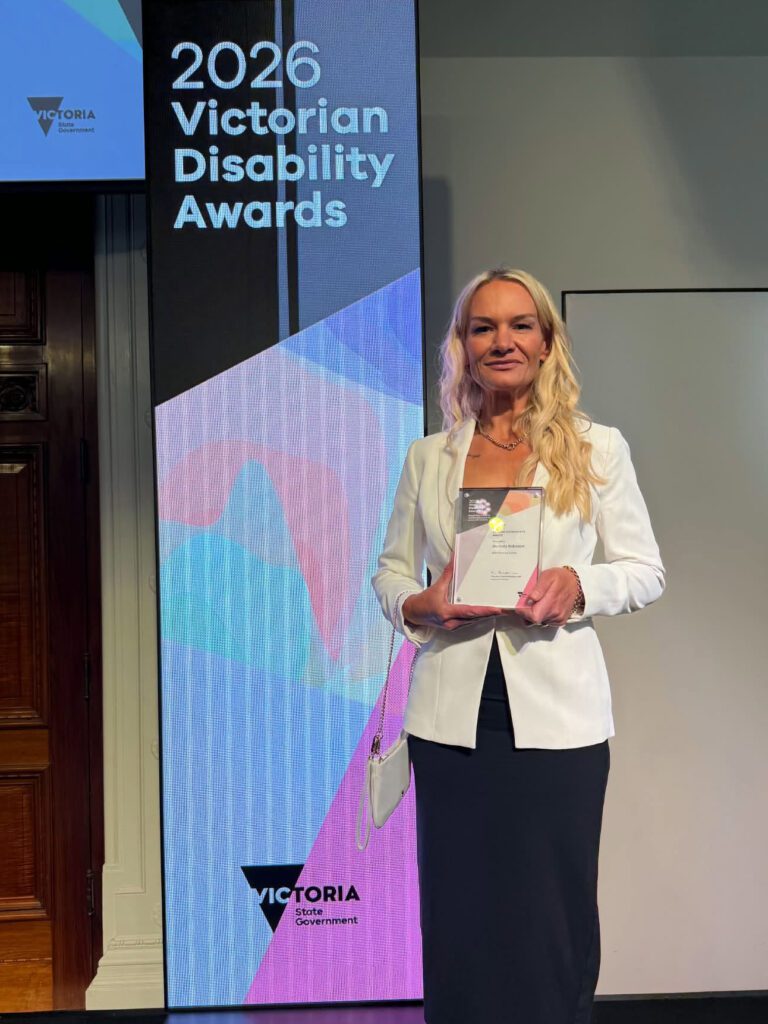
Author: Amanda Robinson (She/Her) BA, MMHealthPrac.
Dja Dja Wurrung and Taungurung Country
Amanda, Head of Learning and Development and an experienced specialist in NDIS and Aged Care, promotes capability and sustainability within the disability and health sectors. With over 15 years of experience, a Master’s in Mental Health Leadership and Management, and an MBA underway, she offers extensive expertise and personal insight as someone with lived experience of disability. A military veteran and dedicated carer of a veteran, Amanda advocates for Human Rights, striving to reduce stigma and eliminate barriers for those with disability and mental health challenges. She is enthusiastic about fostering strong stakeholder relationships through her advocacy, communication, strategic thinking, and analytical abilities.