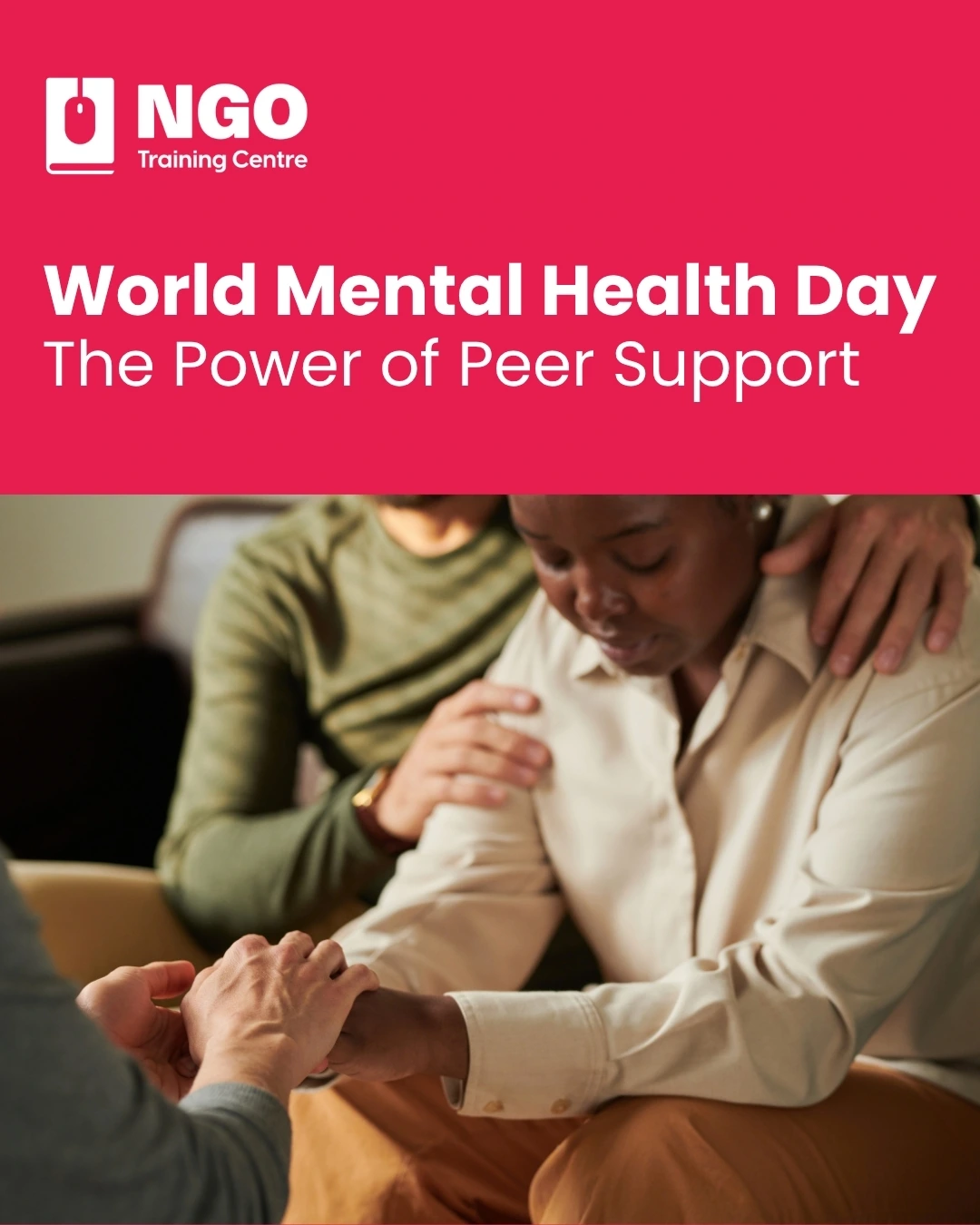
On 10 October 2026, World Mental Health Day highlights the theme ‘Lived Experiences Heard: Real Voices, Real Change’. The day aims to educate the public, reduce stigma, and advocate for better mental health care worldwide.
This year, the focus is on amplifying the voices of people with lived experience of mental health challenges, so they can help shape the policies, services and community attitudes that affect them.
The power of lived experience is hard to overstate. If you haven’t seen it in action, it can be difficult to picture, so I’d like to share some of my own experience.
In 2012, I was lucky enough to work in a multidisciplinary recovery team that included three remarkable mental health peer workers. We made no decisions without their input, and for good reason.
They had been there, were sometimes still there, and knew that recovery is a lifelong journey.
Peer support was only just gaining momentum, and peer workers faced plenty of barriers of their own. Today, peer workers are increasingly part of every area of health care, which is great news for people living with psychosocial and physical challenges.
Their work on both acute and longer-term psychiatric wards was extraordinary, and its impact lasted. I watched them instil hope, build autonomy and support recovery on a whole new level. That mutual support helped to break down the stigma and shame that so often stop people from seeking help and staying engaged in treatment.
They also brought a lived-experience lens to the clinical team, giving staff a fresh perspective on the everyday lives of the people they supported.
Education was a core part of the peer role, but not in the traditional sense. Peer workers often shared their own journeys, creating space to talk about positive coping strategies and to normalise everyday challenges. Hearing from someone who is going through, or has come through, a similar experience can be a powerful way to help people engage with other forms of treatment.
Peer workers show us what is possible when people feel heard and understood.
Every support worker can build on that by understanding mental health challenges and responding with confidence and compassion.
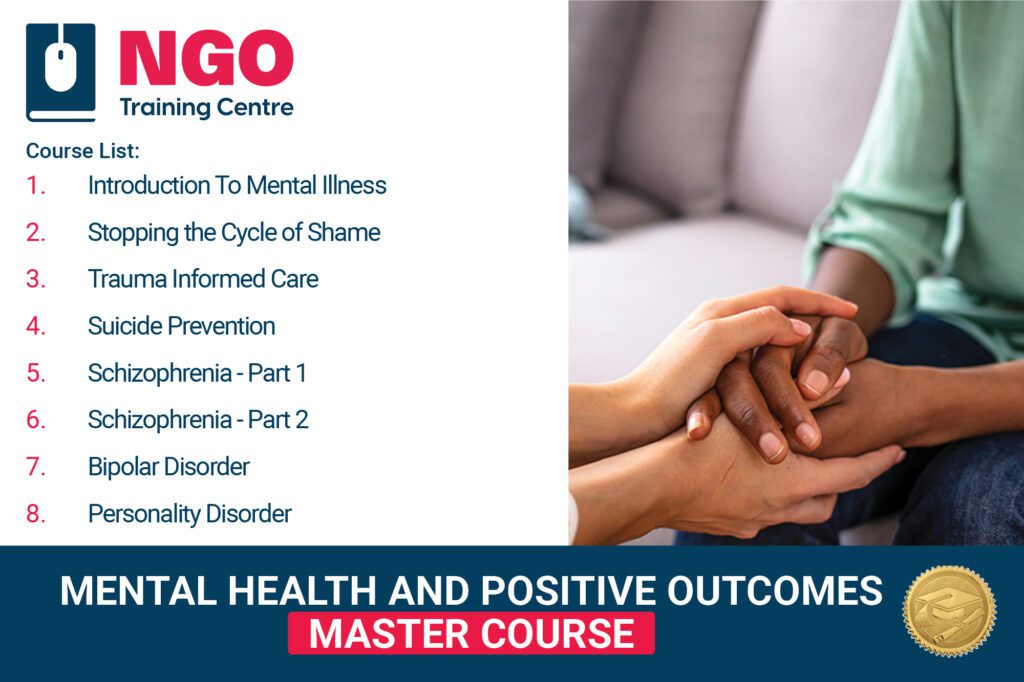
At the NGO Training Centre, our Mental Health and Positive Outcomes pathway offers evidence-based online courses for disability and aged care workers, written by qualified subject matter experts. Courses include:
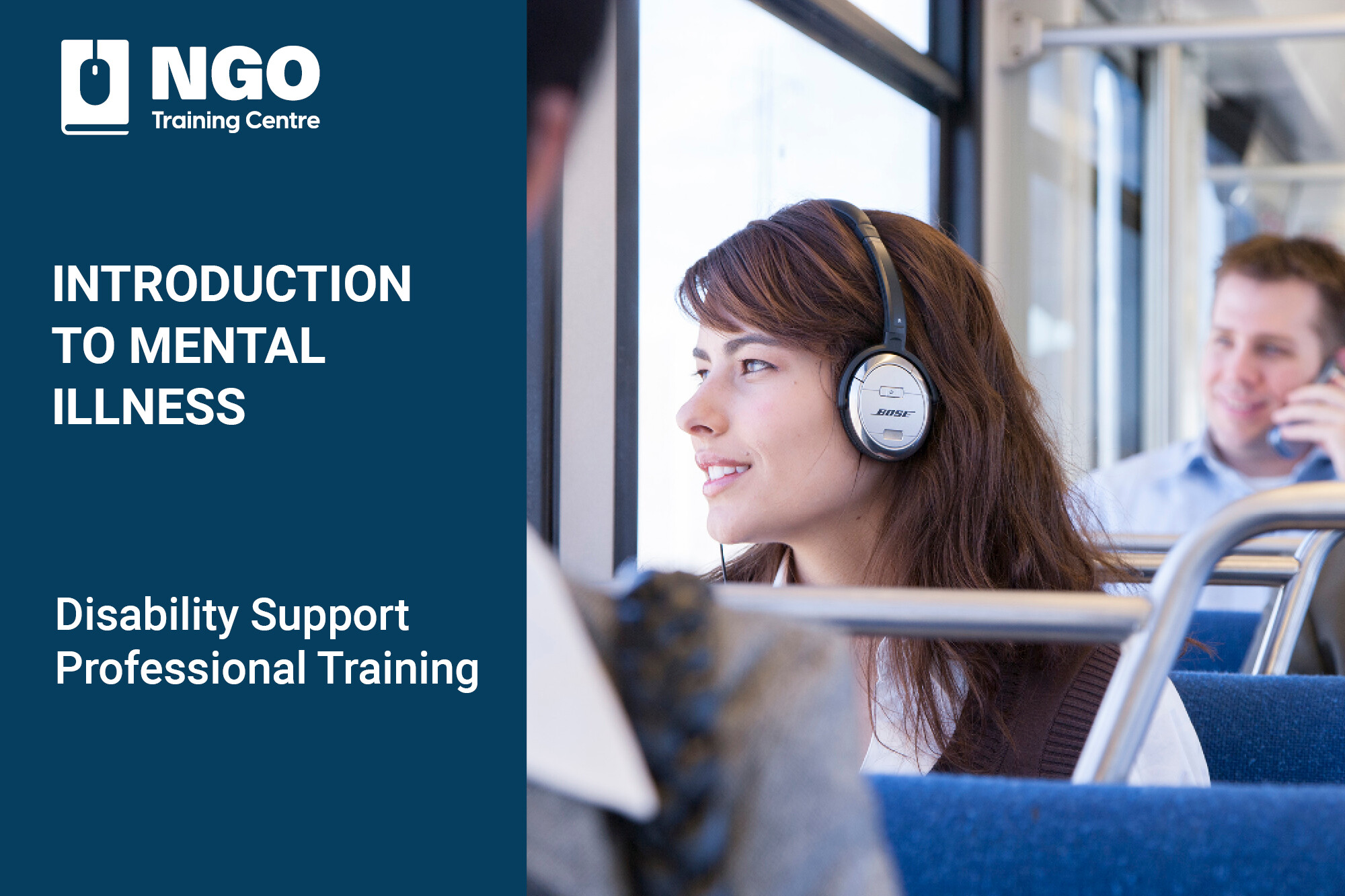
- Introduction to Mental Illness
- Stopping the Cycle of Shame
- Trauma Informed Care
- Suicide Prevention
- Schizophrenia (Parts 1 and 2)
- Bipolar Disorder
- Personality Disorder
Courses can be completed individually or as part of the full pathway, and are aligned with the NDIS Practice Standards and the strengthened Aged Care Quality Standards.
Explore the full Mental Health and Positive Outcomes pathway
Or view individual Mental Health courses




This World Mental Health Day, let’s listen to lived experience, challenge stigma wherever we see it, and keep building workplaces and services where mental health is understood, valued and supported.
–
Author: Amanda Robinson (She/Her) BA, MMHealthPrac.
Dja Dja Wurrung and Taungurung Country
Amanda, Head of Learning and Development and an experienced specialist in NDIS and Aged Care, promotes capability and sustainability within the disability and health sectors. With over 15 years of experience, a Master’s in Mental Health Leadership and Management, and an MBA underway, she offers extensive expertise and personal insight as someone with lived experience of disability. A military veteran and dedicated carer of a veteran, Amanda advocates for Human Rights, striving to reduce stigma and eliminate barriers for those with disability and mental health challenges. She is enthusiastic about fostering strong stakeholder relationships through her advocacy, communication, strategic thinking, and analytical abilities.