
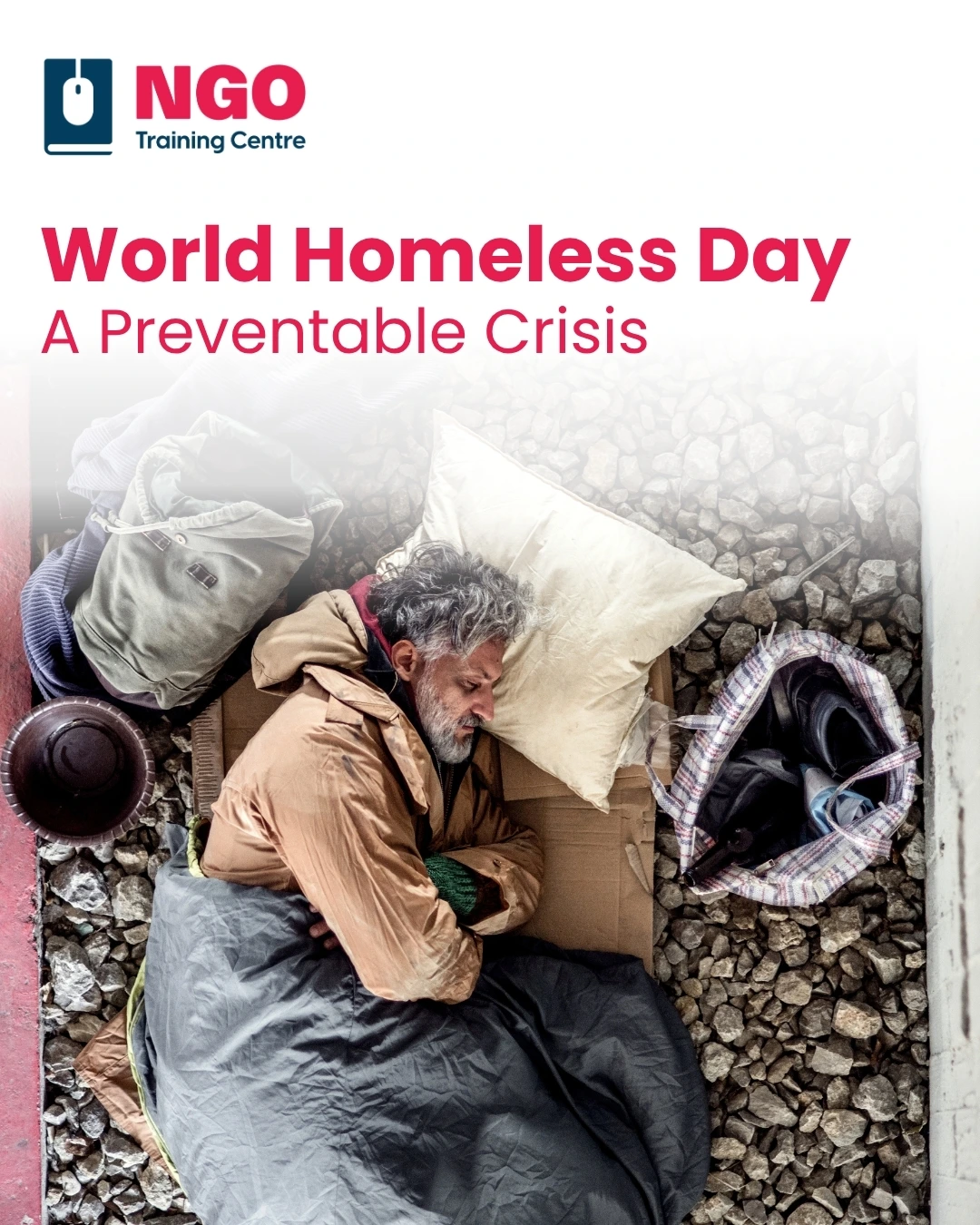
On October 10, 2026, people around the world will celebrate World Homeless Day, while working to prevent and end homelessness and alleviate the suffering of those experiencing it.
Homelessness can happen to anyone. But for people with disability, the risks stack up faster. Difficulty finding work, discrimination and low income all make it more likely that someone will lose their home, and much harder to find a way back.
On top of that, people with disability often have specific accommodation and support needs. Finding the right place isn’t easy: Specialist Disability Accommodation (SDA) is hard to come by, and wait lists are often long.
So how big is the problem?
The numbers are pretty confronting:
- About 1 in 11 people using specialist homelessness services has a disability.
- Around a third (34%) of them live with severe or profound core activity limitations.
- More than 60% also experience mental health issues, and around 45% have experienced family or domestic violence.
- Nearly half (48%) were already homeless by the time they first asked for help.
And it’s not just about finding somewhere to live. Some people are being pushed into homes they can’t easily leave, move around in, or even use the bathroom in.
So, what finally pushes people to reach out for help? The top reasons are:
0%
general housing crisis
0%
housing that’s inadequate or unsafe
0%
family or domestic violence
Sadly, many people with disability don’t report family or domestic violence. Instead, they stay with the person harming them because they’re afraid of becoming homeless or being left without support.
When people do ask for help, what they need most is often what they’re least likely to get. Long-term, stable housing is the most requested form of assistance, yet only a small number of people with disability have secured it by the time they leave a service.
People with disability also tend to need more support, for longer. On average, they use 12.4 services and need 81 days of support, more than people without disability.
Where people end up matters too.
Moving to an area with no accessible transport, few NDIS providers or limited healthcare can leave people isolated and at greater risk. Even crisis options can fall short: many women’s refuges are physically inaccessible, and some are reluctant to let NDIS workers in to provide support.
Getting emergency help isn’t simple either. In Victoria, people needing crisis or emergency accommodation have to call a central number. Advocates say they’ve waited on hold for more than an hour, just to get a voucher for up to seven nights’ accommodation.
In regional and rural areas, it can be even harder. Advocates often have to ring local social housing providers to track down a motel room, and those rooms are often run down.
Advocates have also raised concerns about how little regulation there is around some living arrangements, such as Specialist Residential Services and non-registered group homes for people with Supported Independent Living (SIL) funding.
The good news?
People are taking action. The Queensland Disability Advocacy Network has set up a Housing Working Group to coordinate efforts nationally. The group has made a submission to the federal government’s National Housing and Homelessness Plan, calling for disability to be made a priority.
Because at the end of the day, people with disability deserve what everyone deserves: a safe, stable home and the support they need to thrive.
So today let’s raise awareness about the ongoing issues and barriers faced by people with disability, celebrate the good work, benchmark progress and advocate for improved policies and funding that can help prevent and end homelessness.
Together, we can make things right.
This is a preventable crisis.
Source: Anne Webster MP, YouTube
–
Author: Amanda Robinson (She/Her) BA, MMHealthPrac.
Dja Dja Wurrung and Taungurung Country
Amanda, Head of Learning and Development and an experienced specialist in NDIS and Aged Care, promotes capability and sustainability within the disability and health sectors. With over 15 years of experience, a Master’s in Mental Health Leadership and Management, and an MBA underway, she offers extensive expertise and personal insight as someone with lived experience of disability. A military veteran and dedicated carer of a veteran, Amanda advocates for Human Rights, striving to reduce stigma and eliminate barriers for those with disability and mental health challenges. She is enthusiastic about fostering strong stakeholder relationships through her advocacy, communication, strategic thinking, and analytical abilities.