Meta Pixel
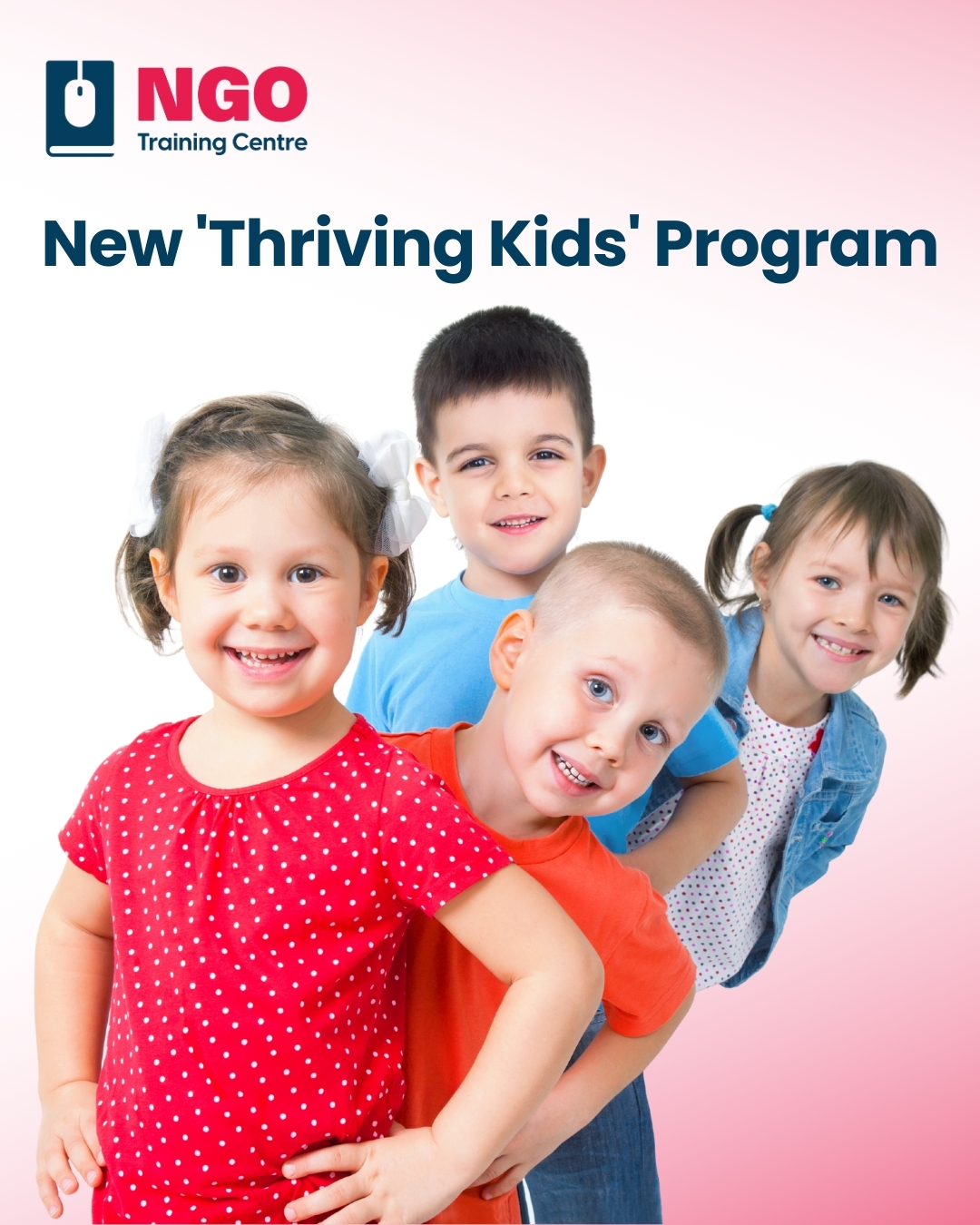
The Australian Government has unveiled a significant reform to the National Disability Insurance Scheme (NDIS) with the introduction of the ‘Thriving Kids’ program, aimed at supporting young children with mild to moderate developmental delays and autism.

Announced by NDIS Minister Mark Butler during his address at the National Press Club on August 20, 2025, this initiative seeks to alleviate pressure on the NDIS by redirecting certain early interventions to mainstream services.

With a rollout beginning July 1, 2026, the program promises to reshape how support is delivered, particularly impacting NDIS providers who will face evolving eligibility criteria, funding streams, and service delivery models.

Understanding the ‘Thriving Kids’ Program

The ‘Thriving Kids’ program is designed to provide targeted early intervention for children under nine years old experiencing mild to moderate developmental delays or autism. Minister Butler highlighted that nearly half of new NDIS participants are under nine, with most entering through the early intervention stream despite the scheme’s original focus on significant and permanent disabilities. He argued that these children are often placed on a pathway intended for lifelong support, which strains the NDIS’s sustainability. Instead, the government views this as a broader issue affecting around one in five young children, best addressed through mainstream systems like schools, childcare, and health services.

Funded equally by the Commonwealth and states/territories, the program includes a $2 billion commitment from the federal government. It will integrate existing initiatives, such as infant and maternal health programs, and introduce new elements like Medicare bulk-billed items for three-year-old child development checks, allied health supports (including occupational therapy and speech pathology), and a nationally consistent online information service for parents. The rollout will commence on July 1, 2026, with a 12-month ramp-up period to ensure services are established before major NDIS changes take effect in mid-2027.

This move aligns with broader NDIS reforms to cap growth at 8% annually by next year and further moderate it to 4-6% long-term, emphasising pricing discipline, fraud prevention, and evidence-based supports.

Children already in the NDIS or enrolling before the changes will remain supported under existing arrangements, including reassessments, ensuring no immediate disruptions for current participants.

Key Changes for NDIS Providers from July 2026

Providers registered with the NDIS, including therapists, allied health professionals, and early intervention specialists, will encounter substantial shifts as the ‘Thriving Kids’ program takes shape. Here’s a breakdown of the anticipated changes:

  • Eligibility and Access Restrictions: From mid-2027, children with mild to moderate developmental delays or autism will no longer qualify for NDIS entry under the early intervention stream. Instead, they will be diverted to ‘Thriving Kids’. This means NDIS providers could see a significant reduction in new young clients, potentially halving the influx of under-nine entrants who currently dominate new enrolments. Providers specialising in autism and developmental support may need to pivot toward serving those with more severe, permanent disability to maintain caseloads.
  • Shift to Mainstream and Foundational Supports: Services under ‘Thriving Kids’ will emphasise integration into everyday settings like childcare centres, playgroups, and schools, rather than individualised NDIS plans. Providers might need to adapt by offering group-based or community-embedded interventions, potentially requiring new partnerships with education and health systems. This could involve scaling up programs like Child and Family Learning Centres or Mental Health in Primary Schools, where providers deliver supports in non-NDIS environments.
  • Funding and Registration Implications: With ‘Thriving Kids’ introducing new Medicare items for therapies such as occupational therapy, speech pathology, and psychosocial supports, providers could access alternative funding streams outside the NDIS. However, only a fraction of current NDIS providers (around 16,000 out of 260,000) are registered, and the government plans to enhance market stewardship and oversight. Providers may face stricter evidence requirements for services, pricing alignments with other sectors like aged care, and opportunities or mandates to register under the new program.
Aspect 1: Target Group

Current NDIS Approach: Children under 9 with any level of developmental delay/autism via early intervention.

Changes from July 2026 (Thriving Kids): Limited to severe/permanent cases; mild/moderate diverted to Thriving Kids.

Impact on Providers: Reduced client volume; focus on complex needs.

Aspect 2: Service Delivery

Current NDIS Approach: Individualised plans and budgets (e.g., $10k-$30k per child).

Changes from July 2026 (Thriving Kids): Mainstream integration (schools, childcare); group supports.

Impact on Providers: Need for new models, partnerships, and less reliance on NDIS funding.

Aspect 3: Funding Sources

Current NDIS Approach: NDIS budgets.

Changes from July 2026 (Thriving Kids): Shared state/Commonwealth; new Medicare items.

Impact on Providers: Diversified revenue; potential for bulk billing.

Aspect 4: Oversight

Current NDIS Approach: Limited for unregistered providers.

Changes from July 2026 (Thriving Kids): Enhanced stewardship, evidence-based requirements.

Impact on Providers: Increased registration and compliance checks.

Overall, while the changes aim to enhance sustainability, providers should anticipate a period of adaptation, including upskilling for mainstream delivery and advocating for involvement in program design to safeguard their expertise.

Media Release from Disability Advocacy Bodies

On August 21, 2025, a coalition of Disability Representative Organisations (DROs), including the Australian Autism Alliance (AAA), People with Disability Australia (PWDA), and others, issued a joint media release titled “Disability Representative Organisations stand united in our reiteration to government of nothing about us without us.” The full release is available here.

The DROs expressed disappointment over the lack of consultation with the disability community regarding the ‘Thriving Kids’ announcement, despite Minister Butler referencing the principle of “nothing about us without us” in his National Press Club speech. While they welcome the $2 billion investment and the government’s commitment to the NDIS, they highlight uncertainty around the program’s ambitious timeline and its alignment with broader Foundational Supports recommended by the NDIS Review. These supports, vital for the 4.8 million Australians with disabilities not on the NDIS, include peer support and self-advocacy. The DROs emphasise the need for co-design with the disability community to ensure a sustainable, community-accepted system and appreciate Minister Butler’s assurance that no children will be removed from the NDIS before ‘Thriving Kids’ is fully established.

The DROs’ response underscores a critical tension in the reform process: the need for inclusivity versus the urgency of implementation. Their call for co-design aligns with the NDIS Review’s emphasis on lived and living experience, ensuring reforms reflect the community’s needs. The concern about the timeline is valid, as a rushed rollout risks service gaps, particularly for families reliant on early intervention.

Providers can take a cue from this advocacy, actively engaging in co-design to shape ‘Thriving Kids’ and secure their role in the evolving disability support landscape. The DROs’ endorsement of the NDIS’s transformative impact reinforces the importance of balancing sustainability with equitable access, a challenge providers must navigate as they adapt to new models.

As ‘Thriving Kids’ moves forward, providers and advocacy bodies will play a pivotal role in shaping its success, ensuring Australia’s disability support ecosystem remains robust and equitable. The NGO Training Centre is here to support you every step of the way and ensure that your training needs and compliance obligations are fulfilled.

–

Author: Amanda Robinson BA, MMHealthPrac,

As Head of Learning and Development and a seasoned NDIS expert, Amanda drives capability and sustainability in the disability and health sectors. With over 15 years of experience, post-graduate qualifications in Mental Health Leadership and Management, and currently pursuing an MBA, she brings deep expertise and personal insight as someone with lived experience of disability. A devoted carer, Amanda champions Human Rights, working to dismantle stigma and barriers for individuals with disability and mental health challenges. She is passionate about building robust stakeholder relationships, leveraging her advocacy, communication, strategic thinking, and analysis skills. 
Get in touch

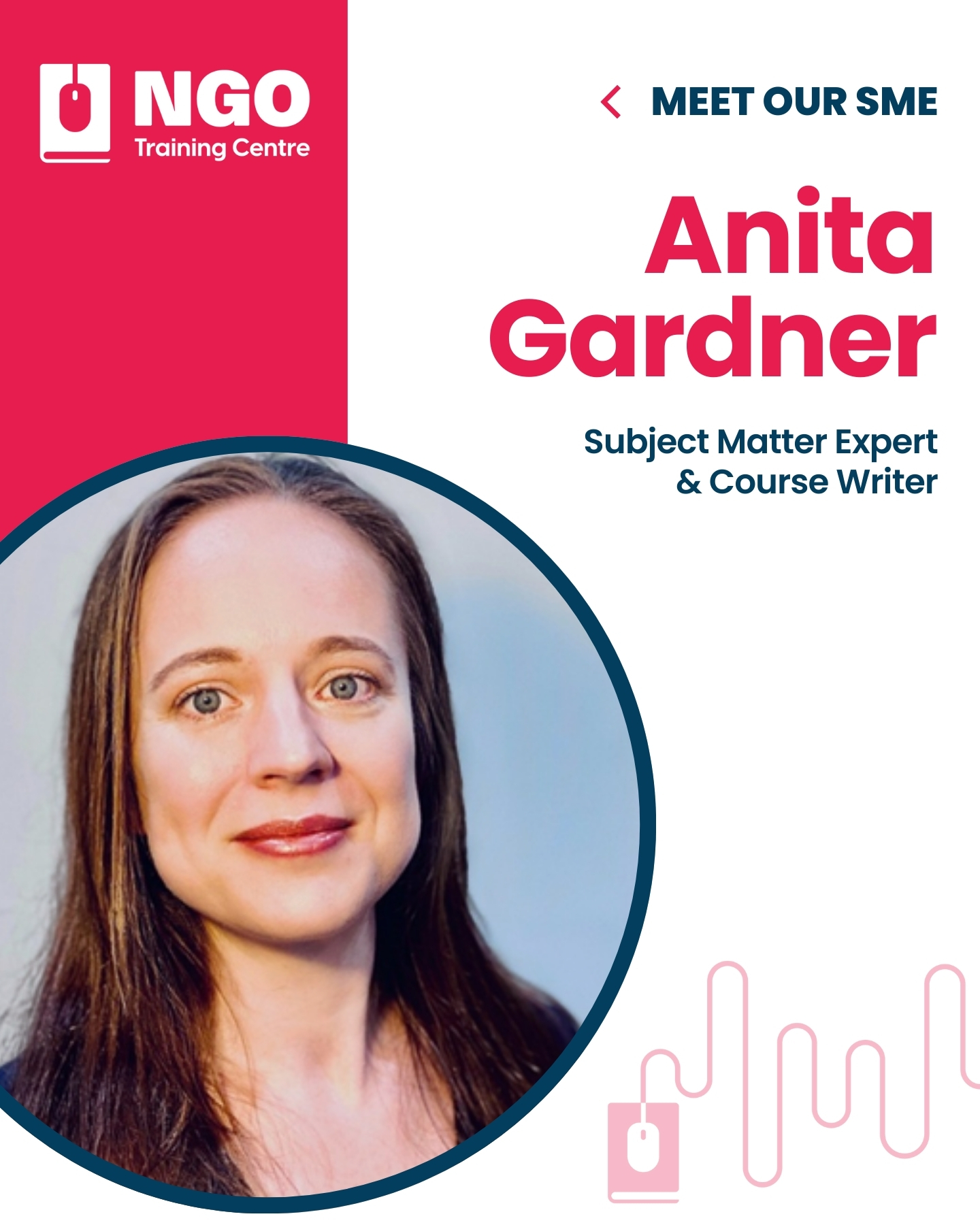
    At the NGO Training Centre, we’re delighted to highlight Anita Gardner (BA, PGDipPsych, MSocH, Mres) – Psychologist, Supervisor, Researcher, Lecturer and subject matter expert at the NGO Training Centre.

    Anita has dedicated over 20 years to providing compassionate psychological support to children, adolescents, and adults. She now practices as a psychologist in her private practice, supervises provisional psychologists, leads The Westmead Feelings Program online, and works as a research psychologist. In 2017, she took on the role of Research Psychologist at the Children’s Hospital at Westmead, Australia, where she adapted the Westmead Feelings Program specifically for autistic adolescents with mild intellectual disability. She also earned a Master of Research at Western Sydney University.

    Anita’s journey with Autism began in 2000 through Autism Spectrum Australia (Aspect). She has worked across many services, including early intervention, school programs, and adult services, conducting assessments, providing support, implementing interventions, and creating visual supports.

    As a Registered Psychologist, she strongly believes in using evidence-based practices to support individuals, families, and service providers. Her dedication shines through in her training sessions and presentations, which have taken her from workshops to international conferences in Canada, Singapore, and Ireland. She has shared her expertise on topics like supporting siblings, learning from consequences, and video modelling. Recently, she had the opportunity to speak at the APS Congress and the Australian Association for Special Education about her research with the Westmead Feelings Program, and she has also enjoyed lecturing at Western Sydney University.

    Anita is a passionate advocate for raising awareness around neurodiversity and mental health. She promotes positive behaviour support and mental health strategies that help enhance people’s quality of life and build resilience.

    We are genuinely delighted to have Anita as part of our Governance Team and invite you to join us in celebrating the wonderful impact she’s making! 💪

    Courses: Autism Spectrum Disorder and Sexuality and Relationships

    Learn more about all our brilliant Subject Matter Experts on our About Us page.

    The National Disability Insurance Scheme (NDIS) has been a game-changer for over 600,000 Australians with disability, giving them choice and control over their supports. Since its launch in 2013, it’s created a vibrant market for providers, but staying financially sustainable in 2025 is no small feat. With costs soaring and many providers struggling to turn a profit, let’s dive into the key hurdles and how to tackle them, plus spotlight an incredible course from The NGO Training Centre to help your business thrive.

    What’s Making Life Tough for Providers?

    Running an NDIS provider isn’t all smooth sailing. Here’s what’s keeping bosses up at night:

    • Funding Squeezes: The NDIS tweaked prices in July 2025, bumping some supports by 3.95% based on the Disability Support Worker Cost Model. But with many prices frozen, providers are battling rising wages and inflation without extra cash. The 2025-26 Pricing Arrangements try to keep things sustainable, but it’s a tightrope walk, and the wind is blowing a gale.
    • More Rules, More Costs: The 2025-26 Federal Budget’s throwing $175.4 million at tightening NDIS oversight. Stricter audits and compliance mean more paperwork and expenses, especially for smaller businesses. It’s excellent news that rules are being tightened, but there are reported struggles with staying compliant due to a lack of funding.
    • Operational Headaches: Workforce shortages, supply chain hiccups, and the push for digital tools are stretching providers thin. A 2025 report flags funding shifts and oversight as risks, but innovation could be a lifeline.

    With a massive reported two-thirds of providers in the red, staying afloat is critical to keep offering services that are not only high quality but sustainable as costs soar.

    How to Stay in the Black

    To keep your NDIS business thriving, it’s essential to focus on smart financial moves. Think better cash flow, clever resource use, and tech to streamline compliance. Checking your financial health with key ratios and statements is a must, as is keeping up with NDIS pricing and cost models. Ethical planning and sector know-how can turn challenges into wins.

    How we can help you!

    The NGO Training Centre’s Financial Excellence course, part of our Specialised Leadership Courses, is just what you need. Written by Chris Perkins, CFO at The CFO Centre Australia and Director of Multicap LTD, this 50-minute online gem, priced at just AU$99, is tailor-made for NDIS leaders. It covers the NDIS framework, pricing, and the Disability Support Worker Cost Model, plus tips on boosting profits, managing cash flow, and using tech for better governance.

    You’ll learn to assess your organisation’s financial health, master best practices, and spot tech and environmental trends that matter. It’s NDIS-compliant and perfect for managers, execs, or support staff looking to level up.

    Our Specialist Leadership Program, including Financial Excellence, is a top pick for building a sustainable future. Get in touch to find out more!

    –

    Author: Amanda Robinson BA, MMHealthPrac,

    As Head of Learning and Development and a seasoned NDIS expert, Amanda drives capability and sustainability in the disability and health sectors. With over 15 years of experience, post-graduate qualifications in Mental Health Leadership and Management, and currently pursuing an MBA, she brings deep expertise and personal insight as someone with lived experience of disability. A devoted carer, Amanda champions Human Rights, working to dismantle stigma and barriers for individuals with disability and mental health challenges. She is passionate about building robust stakeholder relationships, leveraging her advocacy, communication, strategic thinking, and analysis skills. 

    Get in touch

      Providing high-quality, person-centred care under the National Disability Insurance Scheme (NDIS) requires effective competence-based training to guarantee the safety, dignity, and empowerment of participants.

      Proper training is not just a regulatory requirement, but a critical foundation for building trust, minimising risks, and enabling disability support professionals to meet diverse needs effectively.

      Below is an overview of the minimum training requirements for several key disability supports, aligned with NDIS standards, and emphasising the critical role of comprehensive training for the welfare of participants.

      PEG Feeding

      Proper training in percutaneous endoscopic gastrostomy (PEG) feeding is essential to safely administer nutrition and hydration, preventing complications like infections or tube dislodgement. Training must include:

      • Understanding PEG tube care and functionality
      • Strict hygiene and infection control protocols
      • Administering feeds with correct positioning and flow rates
      • Identifying and managing complications
      • NDIS Alignment: Training must meet NDIS Practice Standards for high-intensity daily personal activities.
      • Minimum Requirement: an NDIS-compliant course, ideally refreshed every 1-2 years.
      • Importance: Inadequate training risks participant health and breaches the NDIS Code of Conduct.

      Epilepsy

      Comprehensive epilepsy training equips staff to manage seizures safely, reducing harm and ensuring participant safety. It covers:

      • Identifying seizure types and triggers
      • Providing seizure first aid
      • Administering emergency medications (such as midazolam) per medical protocol
      • Accurate documentation and reporting
      • NDIS Alignment: Aligns with NDIS requirements for managing complex health needs.
      • Minimum Requirement: an NDIS-compliant course, ideally refreshed every 1-2 years.
      • Importance: Proper training prevents injury during seizures and ensures compliance with NDIS safeguarding obligations.

      Mealtime Management and Dysphagia

      Training in mealtime management and dysphagia is vital to mitigate risks like choking and aspiration, ensuring safe and dignified dining. It includes:

      • Understanding dysphagia and associated risks
      • Following speech pathologist recommendations (for example: modified textures, positioning)
      • Using adaptive equipment and monitoring for distress
      • NDIS Alignment: Meets NDIS standards for high-intensity support and participant safety.
      • Minimum Requirement: an NDIS-compliant course with annual refreshers.
      • Importance: Without proper training, workers risk participant harm, violating NDIS quality and safety standards.

      Manual Handling

      Manual handling training is critical to prevent injuries to participants and workers during physical support tasks. It covers:

      • Safe lifting, transferring, and repositioning techniques
      • Using mobility aids (for example: hoists and wheelchairs)
      • Conducting risk assessments and applying proper body mechanics
      • NDIS Alignment: Complies with NDIS Practice Standards for safe service delivery.
      • Minimum Requirement: an NDIS-compliant course, refreshed every 1-2 years per workplace safety standards.
      • Importance: Inadequate training can lead to serious injuries, breaching NDIS safety requirements.

      Assisting Participants with Medication

      Proper training in medication assistance ensures safe and accurate administration, protecting participant health. It includes:

      • Understanding medication schedules and documentation
      • Safe administration methods (for example: oral, topical, PEG)
      • Recognising side effects and reporting errors
      • Adhering to legal and ethical responsibilities
      • Minimum Requirement: an NDIS-compliant course, updated annually. Importance: Errors due to insufficient training can cause harm and violate NDIS compliance standards.

      Support Coordination

      Support coordination training is essential for empowering participants to navigate NDIS services and achieve their goals. It covers:

      • Understanding NDIS frameworks and participant plans
      • Connecting participants with appropriate services
      • Advocacy, communication, and plan monitoring
      • NDIS Alignment: Meets NDIS Practice Standards for support coordination and participant empowerment.
      • Minimum Requirement: an NDIS-compliant course, with ongoing professional development.
      • Importance: Proper training ensures participants access tailored supports, fulfilling NDIS person-centred care principles.

      Personal Protective Equipment (PPE)

      PPE training is critical for infection control and staff safety, particularly in high-risk settings. It includes:

      • Correct use of PPE (for example: using gloves, masks, gowns)
      • Donning and doffing procedures
      • Safe disposal and infection control protocols
      • NDIS Alignment: Supports NDIS requirements for infection control and workplace safety.
      • Minimum Requirement: an NDIS-compliant course, with regular refreshers.
      • Importance: Inadequate PPE training risks infection spread, compromising NDIS safety standards.

      Autism

      Autism training is vital for delivering respectful, tailored support to individuals on the spectrum. It covers:

      • Recognising sensory and communication needs
      • Implementing person-centred strategies
      • Managing behaviours of concern and de-escalation
      • Promoting inclusion and autonomy
      • NDIS Alignment: Aligns with NDIS standards for positive behaviour support and inclusive care.
      • Minimum Requirement: an NDIS-compliant course with annual refreshers.
      • Importance: Proper training fosters participant autonomy and prevents distress, aligning with NDIS quality care principles.

      Conclusion

      Proper training in all of these vital care areas is a non-negotiable for NDIS providers to deliver safe, effective, and person-centred support.

      Comprehensive, NDIS-aligned training ensures that disability support professionals are equipped to handle complex needs, reduce risks, and uphold the NDIS Code of Conduct and Practice Standards.

      NGO Training Centre’s online courses deliver these key outcomes in a flexible, engaging and fully online format, for efficient and effective training.

      By prioritising comprehensive training, providers safeguard participant well-being and demonstrate commitment to NDIS quality and safety requirements.

      Check out and get started on our online NDIS training courses, browse our full course list for more information on each disability support training course we offer, or see our range of Training Packages for small to large organisations.

      Alternatively, if you’re unsure where to start your training and need friendly advice, don’t hesitate to contact our team for help and support using the form below!

      Get in touch

        We know your time is valuable. Between work, family, and personal commitments, finding the right training opportunities shouldn’t add stress to your day. That’s exactly why we created our NGO Training Centre chatbot, Ally, to make your experience with us as smooth and helpful as possible.

        Think of Ally as your personal guide through everything we offer. Whether you’re curious about specific training programs, looking for particular resources, or simply trying to navigate our website, Ally is here to help. Instead of spending time searching through multiple pages or waiting for email responses, you can get clear, direct answers in moments.

        We’ve built this tool with real people in mind. Whether you’re completely new to technology or you’re someone who lives on their laptop, our chatbot, Ally, speaks your language. She understands what you’re looking for and responds in a way that actually makes sense.

        The best part? She never sleeps. Whether you’re an early bird checking options over morning coffee or a night owl planning your company’s training rollout, Ally is ready to help whenever inspiration strikes or whenever you need information delivered simply and urgently.

        We believe learning and growth should be accessible to everyone. Ally, our chatbot, is just one way we’re working to remove barriers and make it easier for you to find exactly what you need to make a difference in your community. Ready to see how it works? Please try Ally out in the chatbot field at the bottom right-hand corner of every page on our website and start a conversation. We think you’ll find it refreshingly straightforward.

        Hey NDIS Providers! The National Disability Insurance Agency (NDIA) just dropped a fantastic new resource, an Easy Read booklet designed to help families understand what quality support for children looks like. This is your cue to step up and ensure your Disability Support Professionals are equipped with the skills to deliver exceptional care. Training your team in working with children and young people isn’t just a nice-to-have, it’s essential to meeting NDIA standards, building trust with families, and making a real difference in children’s lives.

        Let’s unpack why this matters and how you can provide much needed supports for young people.

        The NDIA’s New Booklet: Your Roadmap to Quality Support

        The NDIA’s Easy Read booklet, available on their Quality Supports for Children webpage, is an absolute goldmine for providers. It spells out in accessible language, exactly what families expect from you when delivering NDIS supports to their children, whether it’s early childhood intervention, therapy, or specialist behaviour support.

        Here’s what it covers:

        • What quality support looks like: Clear examples of best practices that put children and families first.
        • Provider dos and don’ts: Guidance on what you must do (like tailoring supports to each child) and what’s off-limits.
        • Rules you must follow: The standards and regulations that keep you accountable.
        • Questions families might ask: Be ready to answer with confidence and show you’re on top of your game.

        This booklet isn’t just for families; it’s for providers to ensure your services align with NDIA expectations. Families are using this resource to choose providers, so your team needs to be ready to deliver quality support that stands out above the rest.

        Why Training in Working with Children is a ‘Non-Negotiable’

        Children and young people accessing NDIS supports have unique needs, and Disability Support Professionals need specialised skills to meet them. Training in working with children ensures your team can:

        • Build trust with families: When your staff are trained to engage kids effectively and respectfully, families feel confident in your services.
        • Deliver tailored support: Kids aren’t mini adults; they need approaches that match their developmental stage and individual goals.
        • Stay compliant: The NDIA’s booklet highlights strict rules for providers. Proper training ensures your team knows these standards inside out.
        • Handle complex needs: Whether it’s early intervention, therapy, or behaviour support, trained professionals can navigate challenges with skill and empathy.

        Untrained staff risk missing the mark, which can deplete trust and even lead to complaints. Investing in training isn’t just about compliance, it’s about setting your organisation apart as a leader in quality care!

        Have you seen the NGO Training Centre’s Courses?

        The NGO Training Centre offers fantastic courses that align perfectly with the NDIA’s expectations for quality support. These courses are informative, engaging, and designed to equip Disability Support Professionals with the skills to shine when working with children and young people. Check out these must-have courses:

        These courses aren’t just about ticking boxes, they’re about giving your team the tools to deliver exceptional, child-centred support that young people, and their families, need.

        Your Next Step: Train, Align, and Shine

        The NDIA’s Easy Read booklet is a clear signal: families are getting savvier about what quality support looks like, and they’re holding providers to higher standards.

        Now is the time to invest in training your Disability Support Professionals to work effectively with children. By aligning your services with the NDIA’s guidelines and upskilling your team with courses from the NGO Training Centre, you’ll not only meet expectations but exceed them.

        Head over to the NDIA’s Quality Supports for Children webpage to grab the booklet and see what families are looking for. Then, check out the NGO Training Centre to get your team enrolled in training that will set your organisation apart.

        What steps are your team taking to deliver the HIGHEST quality support for children and young people?

        Have you explored the NDIA’s booklet or the NGO Training Centre’s courses?

        Let’s share ideas and keep raising the bar!

        –

        Author: Amanda Robinson BA, MMHealthPrac,

        As Head of Learning and Development and a seasoned NDIS expert, Amanda drives capability and sustainability in the disability and health sectors. With over 15 years of experience, post-graduate qualifications in Mental Health Leadership and Management, and currently pursuing an MBA, she brings deep expertise and personal insight as someone with lived experience of disability. A devoted carer, Amanda champions Human Rights, working to dismantle stigma and barriers for individuals with disability and mental health challenges. She is passionate about building robust stakeholder relationships, leveraging her advocacy, communication, strategic thinking, and analysis skills. 

        July is Disability Pride Month, a time to raise awareness, celebrate the vibrant community of people with disability, and promote self-acceptance while embracing all forms of disability.

        You may have seen the Disability Pride Flag (pictured above) before. It is a powerful symbol with deep meaning. Each colour has its own meaning. These are as follows:

        • Green: Invisible and undiagnosed
        • Blue: Mental ill-health
        • White: Sensory
        • Yellow: Neurodiversity and developmental
        • Red: Physical
        • Diagonal Line: Cutting through barriers faced by people with disability
        • Black Background: Honouring those who have died due to ableism, violence, negligence, suicide, illness, or other causes.

        So, as a provider, how can you advocate for people with disability today and every day?

        You can:

        • Listen: Amplify the voices of people with disabilities.
        • Stand Up: Confront harassment or bullying when you see it.
        • Challenge Assumptions: Don’t prejudge what people with disability can or cannot do.
        • Educate: Educate yourself and others. Complete quality training and apply it to your daily life.
        • Ask Respectfully: Curious? Ask questions, but always with respect.  Talk to people with disability about their lived and living experiences.

        At the NGO Training Centre, we recognise that providing quality education is crucial to breaking down ableism and creating inclusive, accessible spaces for all. By sharing knowledge about disability rights, inclusive practices, and raising awareness, we can help everyone play a part in building a vibrant, fair world where people with disability can truly flourish.

        Join us to celebrate diversity, break down barriers, and build a more inclusive world!

        At the NGO Training Centre, we’re delighted to highlight Daniel Witthaus 🌈 Founder & CEO of Rural Pride Australia 🏳️‍🌈

        Daniel has over 28 years of passionate dedication to breaking down homophobia and promoting LGBTIQA+ inclusion, and shares his valuable expertise with communities over a warm coffee ☕.

        From rural Victorian towns to international places like Poland, Indonesia, and Sri Lanka, Daniel has worked with Kids Help Line, VicHealth, the Victorian Equal Opportunity and Human Rights Commission, and No to Violence.

        For the past 8 years, Daniel has been busy leading Rural Pride Australia alongside the Victorian State Government and LGBTIQ+ Commissioners, bringing programs like the Equality Roadshow, Regional Communities of Practice, and Rainbow Ready Roadmap to 29 rural communities!!!

        We’re truly happy to have Daniel as our expert and talented course writer for the Supporting LGBTIQASB+ People course, sharing his knowledge and compassionate spirit.

        We sincerely thank Paul for his brilliant work in helping us transform training in the Australian disability sector!

        Learn more about all our brilliant Subject Matter Experts on our About Us page.

        A strategic approach to reducing turnover costs while building a stronger, more skilled workforce.

        I speak to disability support providers all week, every week. As such, I am acutely aware of the challenges they face. One of the primary concerns that our customers share with us is the problem of staff turnover.

        If you’re a disability support organisation in Australia, you’re all too familiar with the numbers. According to an NDIS report, staff turnover (for a casual disability support workforce) is around 25% annually. This means that a typical 40-person team faces the departure of 10 workers each year—and the subsequent crushing, often unrecognised, financial burden.

        The hidden cost? Somewhere around $18,500 (or more) annually in recruitment costs alone.

        What a waste! This is based on a conservative estimate of spending $1,850 to recruit, equip and start each new team member.

        The Real Cost of Staff Turnover (It’s More Than You Think)

        Let’s break down what replacing each disability support worker actually costs an organisation:

        • Recruitment expenses: Job ads, background checks, etc…
        • Training and onboarding: The time that you are paying the new staff members to do time-consuming onboarding training and familiarisation, while they are not working yet
        • Insurance: Public liability and professional indemnity coverage
        • Lost productivity: The time that you and your already stretched team spends on recruitment instead of client care

        For hiring managers and CFOs, these aren’t just numbers—they represent strategic resources being drained from your core mission.

        The Strategic Solution: Investing in Your People

        The most successful disability support providers I’ve worked with understand a fundamental truth: retention is more cost-effective than recruitment.

        Here’s how strategic training investment transforms your bottom line:

        1. Reduce Turnover by up to 20% Through Professional Development

        Professional development programs, such as micro-credentials and leadership training, enhance the confidence and job satisfaction of disability support workers. Research by the Australian Institute of Health and Welfare, and HESTA have shown that such initiatives can reduce turnover by 10-20%. For a 40-worker team, this translates to approximately $3,700 in annual recruitment cost savings alone.

        2. Reclaim Your Time

        Time-poor leaders spend countless hours on recruitment cycles. Based on our own customer feedback, online, self-paced training systems can reduce onboarding time by 50%, freeing up managers to focus on strategic priorities and client outcomes. It also gets your new workers working sooner!

        3. Stay Ahead of NDIS Compliance

        With 2025’s stricter NDIS reforms, compliance isn’t optional—it’s survival. Comprehensive training aligned with the NDIS Skills Descriptor, the NDIS Quality and Safeguards Framework, and the Code of Conduct reduces audit risks and penalties while maintaining funding eligibility.

        4. Attract Top Talent

        In today’s competitive market, offering professional development isn’t just nice-to-have—it’s essential for attracting quality candidates who view your organisation as an employer of choice.

        The ROI That CFOs Love

        Consider this scenario: A disability support provider with 40 staff invests in comprehensive online training, reducing turnover from 25% to 20%. The savings:

        • Direct recruitment cost savings: Some of, or all of $1,850+ annually
        • Reduced onboarding time: 50% efficiency gain
        • Improved NDIS compliance: Reduced audit risks and penalties
        • Enhanced client outcomes: Better-trained staff deliver higher quality care

        With NDIS pricing increases of 3.95% effective July 1, 2025, investing in retention now ensures you can maximise funding while maintaining workforce stability.

        Transform Your Team for Less Than a Cup of Coffee Per Week

        Here’s the compelling reality: For just $2.95 (or less) per staff member per week – less than half the cost of a weekly cup of coffee – your entire team can gain unlimited access to comprehensive professional development.

        That’s right. The investment that could save your organisation up to, or more than $18,500+ annually in recruitment costs alone works out to less than $3 per week, per employee.

        This affordable investment provides:

        • 100+ high-quality online training courses specifically designed for disability support professionals
        • NDIS compliance training to keep your organisation audit-ready
        • Professional development opportunities that boost staff confidence and retention
        • Evidence-based best practices that transform the quality of care you provide
        • Flexible, accessible learning that fits around your team’s busy schedules

        Making It Happen: Your Next Steps

        The disability support sector faces unprecedented challenges, but forward-thinking leaders are turning these challenges into competitive advantages. By investing in comprehensive, accessible training that empowers your workforce, you’re not just reducing costs—you’re building a stronger, more skilled team that delivers exceptional client outcomes.

        The question isn’t whether you can afford to invest in high-quality online training. It’s whether you can afford not to.

        Every person living with a disability deserves exceptional care and support to reach their full potential. When you invest in your team’s development, you’re not just improving your bottom line—you’re transforming lives. That’s why we are here!

        Ready to transform your workforce strategy? Connect with a training provider who understands the unique challenges of disability support and can deliver NDIS-aligned solutions tailored to your team’s needs.

        Written by Matthew Crawford, PGCert(Bus)

        Matt has over a decade of experience in B2B sales and business development and with a passion for human services, is deeply committed to driving meaningful solutions within the disability sector. His commitment to improving service quality and his deep understanding of client needs make him a trusted partner in advancing the capabilities of organisations that support people with disability across Australia.

        About our NDIS courses
        About our LMS

        Get in touch

        Contact our friendly and helpful team to find out more about our training courses and packages.

          The fundamental role of disability support professionals and support coordinators in Australia shapes the daily reality of people with disability, giving participants the chance to thrive. Without proper training, this vital role falters, and leaves participants without the care and dignity they deserve.

          Training isn’t just a checkbox; it’s the heartbeat of high-quality, person-centered support that not only aligns with the National Disability Insurance Scheme (NDIS), but genuinely transforms lives.

          Support Professionals

          Support professionals are on the front lines, helping with everything from personal care to community connection. Untrained, they’re set up to fail. Imagine facing a participant’s changed behaviour without knowing how to de-escalate or supporting someone non-verbal without communication skills. Proper training provides support professionals with essential tools to deliver care that’s safe, respectful, and empowering. It is often the difference between a participant feeling trapped, or truly supported.

          Support Coordinators

          Support Coordinators, the navigators of NDIS plans, face equal pressure. They’re the bridge between a participant’s needs and the services that make independence possible. Without deep knowledge of NDIS rules, funding, and person-centred planning, they risk leaving participants stranded, disconnected from therapies, equipment, or community. Training gives support coordinators the confidence to advocate, ensuring every participant’s plan is a lifeline, not a bureaucratic maze.

          The Benefits of Quality Training

          The disability sector in Australia isn’t static. NDIS guidelines shift, new practices like trauma-informed care emerge, and participants’ diverse cultural, mental, social and physical needs demand adaptability. Ongoing training keeps frontline professionals and coordinators sharp, ready to meet these challenges head-on. It’s not just about compliance; it’s about honouring the rights and humanity of every individual, as demanded by the NDIS Code of Conduct.

          Training also often saves support professionals from burnout. The emotional weight of this work is real, but when staff feel skilled and supported, emotions are frequently positive. They build lasting bonds with participants, creating trust that changes lives. Without training, turnover usually spikes, and participants suffer the instability of ever-changing names, faces and care methods.

          When it comes to training, the NGO Training Centre’s innovative and competency-based resources are a cornerstone for Australia’s disability workforce. The wide range of over 100 NDIS-compliant courses, compiled and maintained by genuine industry experts, delivers practical, real-life skills. Training is easily implemented, tangible, and transformative. With the flexibility provided by online microlearning-style training, upskilling support professionals and growing careers is equally accessible in bustling cities and the most rural, regional and remote regions.

          The NGO Training Centre doesn’t just train – it inspires. Our affordable, accessible programs empower learners to satisfy NDIS standards while also igniting passion for their meaningful work: every lesson learned is a participant empowered and a life uplifted. For disability support professionals and support coordinators, choosing the NGO Training Centre isn’t just about meeting requirements – it’s about becoming the difference-maker that people with disability need.

          In this field, training isn’t optional; it’s crucial.

          Get Started Today

          Whether you’re an individual embarking on a fulfilling new disability support career, an experienced disability sector professional looking to upskill and grow your skills, or a manager, board member or executive at an organisation, we have the ideal solution for you, starting from only $29!

          Browse our courses and training packages to find out more, or contact our friendly and knowledgeable team for any assistance needed and we’ll be delighted to help!

          About our NDIS courses
          About our LMS

          Get in touch

          Contact our friendly and helpful team to find out more about our Disability Support training courses and packages.

            NGO Training Centre Online NDIS Training
            Trigger Sidebar Cart0
            ×
            Your cart is empty. Return Home